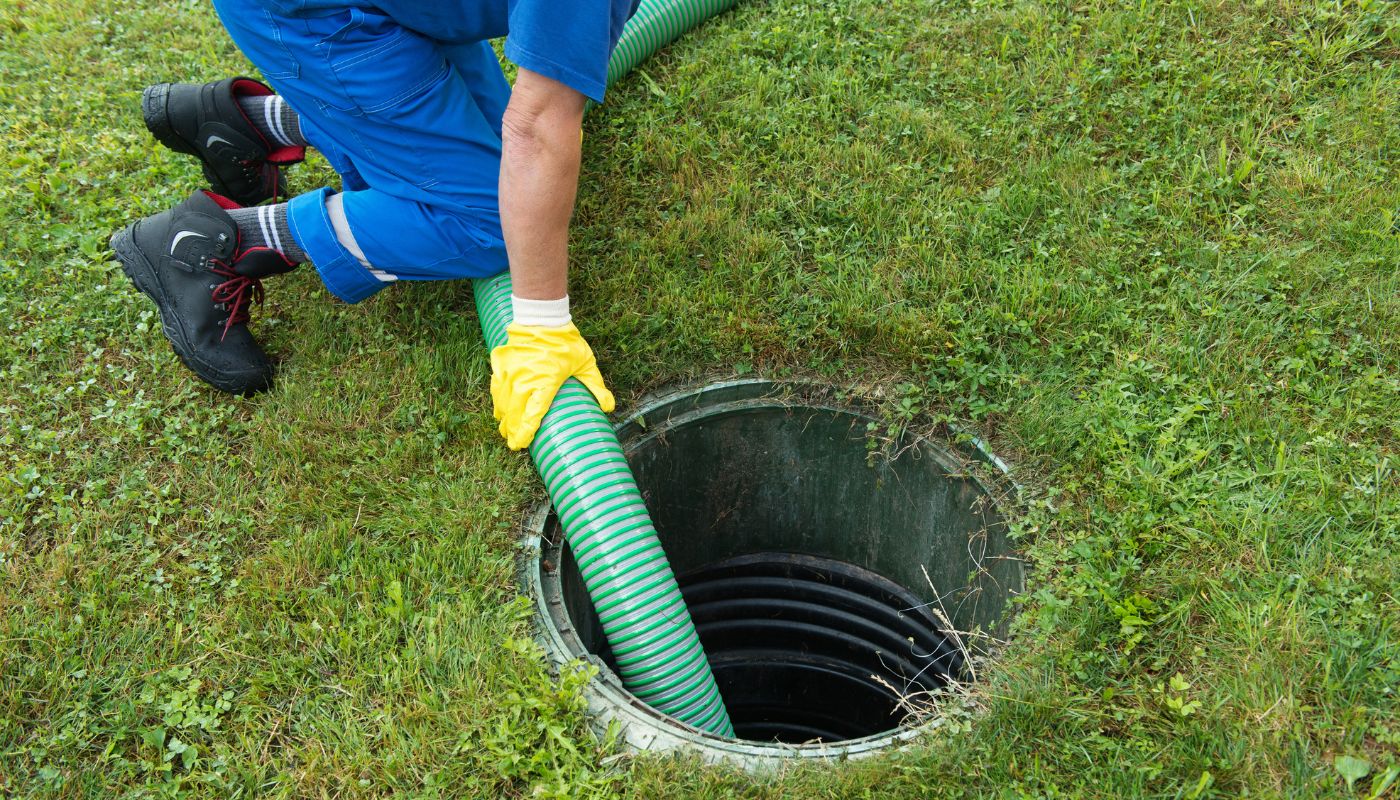
Maintaining a septic system is one of the most important responsibilities for homeowners in Miami and surrounding South Florida communities. Unlike properties connected to municipal sewer systems, homes with septic tanks rely on a private wastewater treatment system that requires regular care. Ignoring maintenance can lead to costly repairs, unpleasant odors, slow drains, contaminated groundwater, and even complete system failure.
Many homeowners only think about their septic system when a problem appears. However, a proactive maintenance plan can extend the life of your system, improve performance, and help you avoid emergency service calls. This guide explains septic tank maintenance schedules, best practices, common mistakes, and when to schedule professional septic tank pumping.
Understanding How a Septic System Works
Before discussing maintenance, it helps to understand the basics of how a septic system functions.

A typical residential septic system consists of:
- A septic tank
- Inlet and outlet pipes
- A drain field (also called a leach field)
- Soil filtration areas
Wastewater from sinks, toilets, showers, and appliances flows into the septic tank. Inside the tank, solids settle at the bottom, forming sludge, while oils and grease float to the top as scum. The liquid wastewater in the middle layer exits the tank and moves to the drain field, where natural soil filtration completes the treatment process.
Over time, sludge accumulates and must be removed through septic tank pumping. Without regular pumping, solids can overflow into the drain field and cause severe damage.
Why Septic Maintenance Matters in Miami
Miami’s climate presents unique challenges for septic systems.
High groundwater levels, frequent rainstorms, humid conditions, and seasonal flooding can place additional stress on septic components. Homes located near coastal areas may also face drainage issues that affect system performance.
Routine maintenance helps homeowners:
- Prevent backups and overflows
- Protect property value
- Avoid expensive drain field replacement
- Reduce environmental contamination
- Extend septic system lifespan
- Maintain healthy wastewater treatment
A properly maintained septic system can often last 25 to 40 years or longer.
Septic Tank Maintenance Schedule for Miami Homeowners
Following a regular maintenance schedule is the most effective way to avoid problems.
Every Month
Perform a quick inspection around your property.
Check for:
- Slow-draining sinks and tubs
- Gurgling sounds in plumbing
- Sewage odors indoors or outdoors
- Wet spots near the drain field
- Unusually green patches of grass
Early detection allows small issues to be corrected before they become expensive repairs.
Every Six Months
Conduct a more detailed evaluation.
Look for:
- Standing water near the septic area
- Damaged access covers
- Signs of soil erosion
- Tree roots growing near the tank or drain field
Miami’s tropical climate encourages rapid root growth, making regular inspections particularly important.
Every One to Three Years
Schedule a professional septic inspection.
A trusted and reliable septic contractor can evaluate:
- Sludge and scum levels
- Tank condition
- Baffle performance
- Drain field function
- Potential structural concerns
Professional inspections often reveal issues that homeowners cannot easily identify.
Every Three to Five Years
Schedule septic tank pumping.
The exact frequency depends on several factors:
- Household size
- Water usage
- Tank capacity
- Garbage disposal use
- Number of bathrooms
A family of four with a standard residential septic tank typically benefits from pumping every three to five years.
Homes with heavy water usage may require more frequent service.
Signs Your Septic Tank Needs Pumping
Waiting for a system failure is never a good strategy. Several warning signs often indicate that septic tank pumping is overdue.
Slow Drains Throughout the House
When multiple fixtures begin draining slowly, the septic tank may be approaching capacity.
Unpleasant Odors
Strong sewage smells around drains, the yard, or the septic tank area often indicate excessive sludge buildup.
Standing Water
Pooling water around the drain field can signal that wastewater is no longer moving through the system properly.
Frequent Backups
Recurring toilet or sink backups are common symptoms of an overloaded septic tank.
Excessively Green Grass
A lush green area above the septic system may indicate wastewater surfacing near the soil level.
If any of these signs appear, homeowners should contact experienced septic professionals immediately.
Septic Tank Maintenance Do’s
Following best practices can significantly improve system performance.
Do Schedule Regular Pumping
Routine septic tank pumping remains the single most important maintenance task.
Even the best-designed systems require periodic sludge removal.
Do Conserve Water
Reducing water usage minimizes stress on the septic system.
Simple strategies include:
- Repairing leaks promptly
- Installing efficient fixtures
- Running full laundry loads
- Spacing out high-water activities
Lower water volume allows solids more time to separate inside the tank.
Do Keep Records
Maintain a file that includes:
- Pumping dates
- Inspection reports
- Repairs performed
- System diagrams
Accurate records help technicians provide faster service and help homeowners stay on schedule.
Do Protect the Drain Field
The drain field is critical to system performance.
Protect it by:
- Keeping vehicles off the area
- Avoiding heavy equipment traffic
- Preventing soil compaction
- Directing rainwater runoff away
Do Use Professional Septic Services
Working with a trusted and well-experienced provider helps ensure accurate inspections and safe maintenance procedures.
Professional technicians have specialized equipment and industry-leading knowledge to identify developing issues before they become major problems.
Septic Tank Maintenance Don’ts
Certain homeowner habits can dramatically shorten septic system life.
Don’t Flush Non-Biodegradable Materials
Never flush:
- Baby wipes
- Paper towels
- Feminine hygiene products
- Cotton swabs
- Dental floss
- Disposable cleaning wipes
Even products marketed as “flushable” can contribute to blockages.
Don’t Pour Grease Down Drains
Cooking oils and grease solidify over time and increase sludge accumulation.
Dispose of grease separately instead.
Don’t Use Excessive Chemicals
Harsh cleaners and antibacterial products can disrupt the beneficial bacteria responsible for breaking down waste.
Moderation is important.
Don’t Plant Trees Near the System
Roots naturally seek moisture and can infiltrate pipes, tanks, and drain fields.
Keep large trees and shrubs well away from septic components.
Don’t Ignore Warning Signs
Minor symptoms often become expensive emergencies when left unaddressed.
Prompt action saves money and prevents extensive damage.
Real-World Example: Preventing a Costly Drain Field Failure
A Miami homeowner noticed occasional gurgling sounds from bathroom drains but assumed the issue was minor. Over the next several months, drainage became slower, and wet spots appeared in the yard.
When a septic professional inspected the system, they discovered the tank had not been pumped in over seven years. Solids had migrated into the drain field and partially clogged the soil absorption area.
Although septic tank pumping resolved part of the issue, portions of the drain field required rehabilitation, resulting in several thousand dollars in additional expenses.
Had the homeowner followed a routine pumping schedule, the drain field damage could likely have been avoided entirely.
This example highlights why preventive maintenance remains far more affordable than emergency repairs.
Common Questions Miami Homeowners Ask
How Long Does Septic Tank Pumping Take?
Most residential pumping appointments take between one and three hours, depending on tank size and accessibility.
Can Heavy Rain Affect My Septic System?
Yes. South Florida’s frequent storms can saturate soil around the drain field, reducing wastewater absorption and increasing system stress.
Is Septic Maintenance Expensive?
Compared to major repairs or drain field replacement, routine maintenance is highly affordable and provides excellent long-term value.
Can Additives Replace Pumping?
No.
Some products claim to eliminate the need for septic tank pumping, but solids still accumulate over time and must be professionally removed.
How Can I Find Septic Tank Services in My Area?
Look for licensed, reliable, and top-rated septic professionals with experience serving Miami homeowners. Choose providers that offer inspections, pumping, maintenance, repairs, and emergency support.
Choosing the Right Septic Service Provider
Not all septic companies provide the same level of service.
When evaluating providers, consider:
- Experience with South Florida septic systems
- Professional licensing and insurance
- Emergency response capabilities
- Transparent pricing
- Positive customer reviews
- Comprehensive maintenance solutions
A proven provider can help homeowners establish a customized maintenance schedule that fits their property’s specific needs.
Partner with Septic Masters for Long-Term Septic System Health
Proper septic maintenance is not just about avoiding problems—it is about protecting your home, family, and investment. Regular inspections, timely septic tank pumping, water conservation, and responsible usage habits can dramatically extend system lifespan and reduce repair costs.
For Miami homeowners seeking dependable septic tank services in my area, Septic Masters delivers reliable solutions backed by extensive industry experience. From routine pumping and inspections to advanced repairs and system evaluations, their team helps homeowners maintain efficient, high-performance septic systems year-round.

By following a consistent maintenance schedule and partnering with experienced professionals, you can keep your septic system operating safely and effectively for decades.