Packaging technology has evolved significantly as manufacturers seek greater efficiency, consistency, and product protection. Across industries such as food and beverage, pharmaceuticals, consumer goods, and industrial manufacturing, packaging equipment plays a crucial role in maintaining product quality while supporting high-volume production demands. Among the many technologies used in packaging operations, heat chambers have become an essential component for achieving secure and professional packaging results.
As packaging automation continues to advance, the use of a heat chamber has become increasingly important for businesses looking to improve productivity, reduce waste, and enhance package appearance. Understanding how heat chambers function and their role within modern packaging systems can help manufacturers optimize their operations and improve packaging performance.
What Is a Heat Chamber?
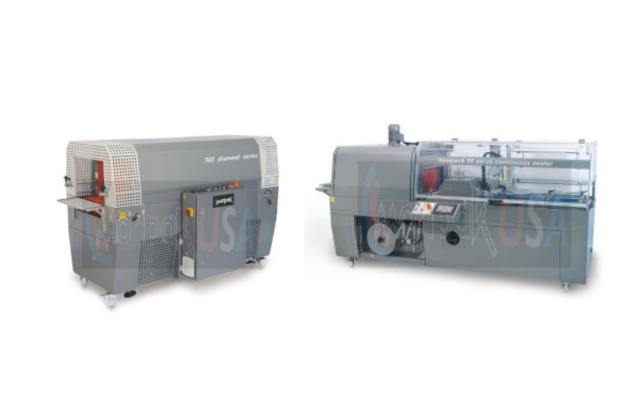
A heat chamber is an enclosed system designed to apply controlled heat to products or packaging materials during a manufacturing or packaging process. In shrink packaging applications, heat chambers are commonly used to activate shrink films, causing them to conform tightly around a product.

The chamber creates a carefully regulated environment where temperature and airflow work together to achieve uniform shrinkage. This process helps ensure consistent packaging quality while protecting products from external elements during storage and transportation.
The effectiveness of a heat chamber depends on precise temperature control, proper airflow distribution, and compatibility with the packaging materials being used.
How Heat Chambers Work
The basic operation of a heat chamber involves exposing packaged products to a controlled heat source for a specific period. Once a product wrapped in shrink film enters the chamber, the heated air causes the film to contract around the item.
Several factors influence the performance of the process:
- Temperature consistency
- Air circulation efficiency
- Conveyor speed
- Product dimensions
- Film characteristics
By balancing these variables, manufacturers can achieve smooth, wrinkle-free packaging with strong protective qualities.
A properly configured heat chamber helps ensure that shrink film adheres evenly to products without damaging the packaging material or the product itself.
Benefits of Using Heat Chambers in Packaging
Heat chambers offer several advantages that contribute to operational efficiency and packaging quality.
Enhanced Product Protection
Shrink-wrapped products receive additional protection from dust, moisture, dirt, and handling damage. This is particularly important during shipping and long-term storage.
Improved Package Appearance
Consumers often associate neat and secure packaging with higher product quality. Heat chambers help create a professional and visually appealing final package.
Increased Production Efficiency
Modern packaging facilities frequently rely on automated systems to maintain high throughput. Heat chambers can process large volumes of products consistently and efficiently.
Reduced Packaging Defects
Consistent temperature distribution helps minimize issues such as uneven shrinkage, loose wrapping, and film distortion.
These advantages make the heat chamber an important asset for businesses seeking reliable packaging performance.
Applications Across Multiple Industries
Heat chamber technology is used across a wide range of industries due to its versatility and effectiveness.
Food and Beverage Industry
Manufacturers use heat chambers for packaging bottled beverages, canned products, multipacks, frozen foods, and prepared meals.
Pharmaceutical Industry
Packaging requirements in healthcare often demand tamper-evident and protective solutions. Heat shrink packaging helps support these objectives.
Consumer Goods
Electronics, toys, cosmetics, household products, and personal care items frequently utilize shrink packaging for protection and presentation purposes.
Industrial Manufacturing
Industrial parts and components often require secure packaging to prevent contamination and damage during transportation.
Because of these diverse applications, the heat chamber remains a critical element of many modern production lines.
Key Features of Advanced Heat Chamber Systems
Technological advancements have improved the performance and efficiency of packaging equipment.
Precise Temperature Control
Modern systems allow operators to adjust temperature settings according to product and film requirements.
Efficient Airflow Management
Uniform airflow helps ensure consistent heat distribution throughout the chamber.
Adjustable Conveyor Speeds
Variable conveyor settings allow manufacturers to optimize processing times for different products.
Energy Efficiency
Newer equipment designs often focus on reducing energy consumption while maintaining high performance standards.
These innovations help businesses improve productivity while maintaining packaging quality.
The Importance of Packaging Consistency
Consistency is one of the most important goals in industrial packaging operations. Inconsistent packaging can lead to product damage, customer dissatisfaction, increased returns, and operational inefficiencies.
Heat chambers help create repeatable results by maintaining stable processing conditions throughout production cycles. This reliability is particularly important for businesses that handle large production volumes or operate multiple packaging lines.
A well-designed heat chamber contributes to standardized packaging quality, helping manufacturers meet customer expectations and regulatory requirements.
Automation and the Future of Packaging
The packaging industry continues to embrace automation and smart manufacturing technologies. Modern heat chambers are increasingly integrated with automated sealing systems, conveyors, sensors, and monitoring software.
Benefits of automation include:
- Faster production speeds
- Reduced labor requirements
- Improved quality control
- Lower operating costs
- Greater production flexibility
As Industry 4.0 technologies become more widespread, packaging systems will likely become even more efficient and data-driven.
The role of the heat chamber is expected to expand as manufacturers continue investing in advanced packaging solutions that improve productivity and operational performance.

Conclusion
Heat chambers play a vital role in modern packaging operations by providing the controlled environment necessary for efficient and consistent shrink packaging. Their ability to enhance product protection, improve package appearance, and support high-volume production makes them valuable across numerous industries. Manufacturers seeking advanced packaging solutions often explore equipment and innovations offered by industry leaders such as Maripak USA, whose technologies contribute to greater efficiency and packaging performance in today’s competitive manufacturing environment. As packaging technology continues to evolve, the importance of the heat chamber in achieving reliable and professional packaging results will only continue to grow.