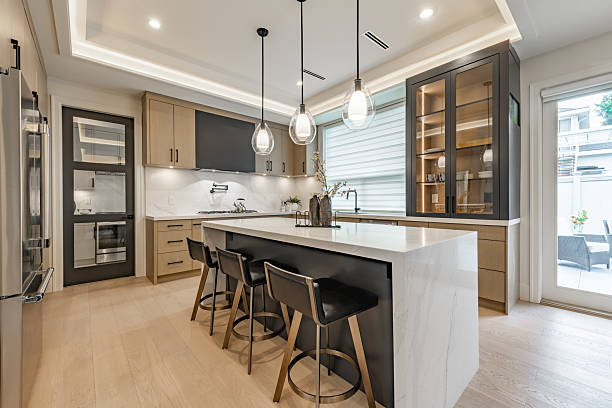
Kitchen remodeling is one of the most effective ways to improve the comfort, functionality, and value of a home in the United States. A well-planned renovation can transform an outdated cooking space into a modern, efficient, and visually appealing area. However, successful remodeling requires proper planning, budgeting, and execution. Understanding each step helps homeowners avoid mistakes and achieve better results.
Understanding Kitchen Remodeling Goals
Before starting any renovation, homeowners should clearly define what they want to achieve. This stage sets the foundation for the entire project.
Identifying Functional Needs
Every kitchen serves daily activities such as cooking, cleaning, and storage. Many American homes require improved layouts, more counter space, or better appliance placement. Identifying these needs helps guide design decisions and ensures the new kitchen supports daily routines effectively.

Focusing on Design Preferences
Style plays a major role in remodeling. Some homeowners prefer a modern minimalist look, while others choose traditional or farmhouse designs. Selecting a design direction early helps maintain consistency in colors, materials, and fixtures throughout the project.
Setting Realistic Expectations
It is important to understand the scope of work. A kitchen remodel can range from minor upgrades to complete reconstruction. Knowing the difference helps set practical expectations about time, cost, and disruption.
Planning and Budgeting the Project
Proper planning is essential for a smooth remodeling experience. This stage helps prevent delays and unexpected expenses.
Estimating Overall Costs
Kitchen remodeling costs in the United States vary based on size, materials, and labor. Homeowners should calculate a flexible budget that includes cabinetry, countertops, flooring, lighting, and appliances. It is also wise to keep an additional buffer for unexpected expenses.
Choosing Materials Wisely
Material selection affects both durability and appearance. Common choices include quartz or granite countertops, hardwood or tile flooring, and custom or semi-custom cabinets. Selecting long-lasting materials ensures better value over time.
Creating a Timeline
A realistic timeline helps manage the entire project. Small renovations may take a few weeks, while full remodels can last several months. Planning ahead reduces stress and helps coordinate contractors and deliveries efficiently.
Designing the Kitchen Layout
The layout is one of the most important parts of kitchen remodeling. It determines how efficiently the space will function.
Work Triangle Concept
Many modern kitchen designs follow the work triangle principle, which connects the sink, stove, and refrigerator. This layout improves movement efficiency and reduces unnecessary steps while cooking.
Maximizing Storage Space
Storage is a major concern in most American kitchens. Designers often include cabinets that extend to the ceiling, pull-out drawers, and pantry solutions. Proper storage reduces clutter and improves organization.
Improving Lighting and Ventilation
Lighting plays a key role in both safety and aesthetics. A combination of natural light, task lighting, and ambient lighting creates a balanced environment. Ventilation systems also help maintain air quality by removing smoke and odors.
Selecting Materials and Appliances
Once the layout is finalized, homeowners move on to selecting materials and appliances that fit the design and functionality requirements.
Cabinet and Countertop Selection
Cabinets define the visual identity of the kitchen. Durable materials and quality finishes ensure long-term use. Countertops should be heat-resistant, easy to clean, and visually compatible with the overall design.
Flooring Options
Kitchen flooring must withstand heavy foot traffic and spills. Popular options in the United States include ceramic tile, vinyl, and engineered wood. Each material offers different levels of durability and maintenance requirements.
Appliance Upgrades
Modern kitchens often include energy-efficient appliances. Upgrading refrigerators, ovens, and dishwashers can reduce energy consumption and improve convenience. Proper sizing ensures appliances fit seamlessly into the layout.
Construction and Installation Phase
This is the stage where the actual transformation takes place. It involves demolition, installation, and finishing work.
Demolition and Preparation
The existing kitchen is carefully removed to make space for new installations. This step may include removing old cabinets, flooring, and fixtures. Proper preparation ensures a clean and safe workspace.
Installation of Core Elements
Once demolition is complete, contractors install cabinets, countertops, flooring, and appliances. Each component must be aligned accurately to maintain structural balance and design consistency.
Plumbing and Electrical Work
Kitchen remodeling often requires updates to plumbing and electrical systems. This ensures safety compliance and supports modern appliances. Professional handling is essential during this stage.
Final Touches and Inspection
After construction is complete, final adjustments and inspections ensure everything functions properly.
Painting and Finishing Work
Walls, ceilings, and trims are painted to match the new design. Finishing touches such as handles, fixtures, and backsplashes are installed to complete the look.
Quality Inspection
A final inspection checks all systems including plumbing, electrical, and appliances. Any issues are corrected before the project is officially completed.
Cleaning and Handover
The final step involves deep cleaning the space and preparing it for use. Homeowners can then enjoy their newly remodeled kitchen.
Conclusion
Kitchen remodeling is a detailed process that requires careful planning, design understanding, and professional execution. From setting goals to final inspection, each step plays a vital role in achieving a functional and beautiful kitchen space. Homeowners in the United States can greatly benefit from structured planning and informed decisions throughout the renovation journey.

For professional insights and renovation services, homeowners can explore ESG Builders for guidance and support in kitchen remodeling projects.