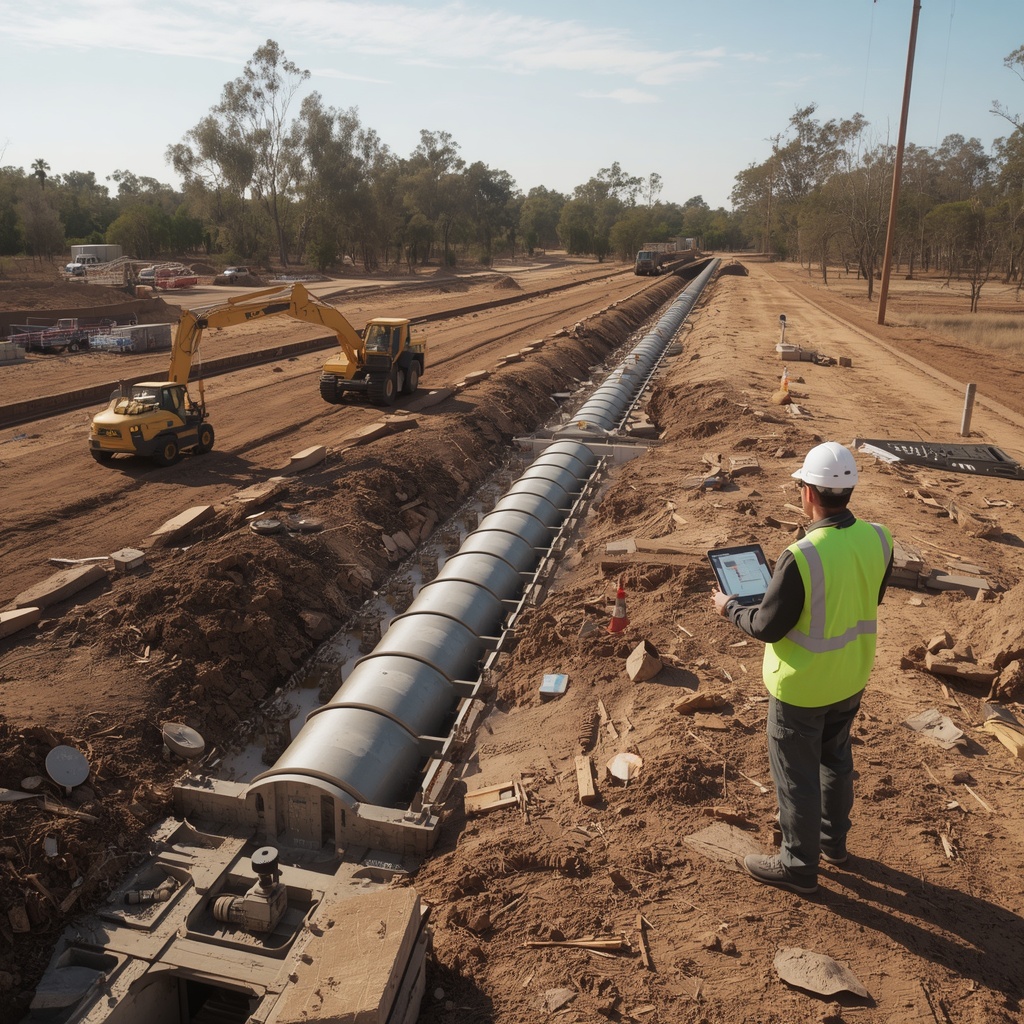
Australia is building at a pace it hasn’t seen in decades. New suburbs are expanding outward, urban infill is intensifying, and infrastructure backlogs are finally being addressed across every state. Behind all of that activity, civil engineering design services are doing the quiet, technical work that makes construction possible — safely, compliantly, and efficiently. Without this foundation, even the most ambitious development projects stall at the first regulatory hurdle.
The Next Rex is a certified engineering and technology firm that has built a strong reputation across Australia for delivering engineering solutions grounded in technical accuracy and practical thinking. Their team works across residential, commercial, and civil projects — bringing structured engineering expertise to clients who need more than just drawings on a page.
Understanding what civil engineering design actually involves — and why it matters at every stage of a project — is something most property owners and developers overlook until something goes wrong. This blog is designed to change that.
Solve It Before It Starts — speak with a qualified civil engineer before your project runs into compliance issues that cost time and money.
What Civil Engineering Design Services Actually Involve
Civil engineering design is far broader than most people realise. It’s not limited to roads and bridges — though those are certainly part of it. In the Australian context, civil engineering design services cover the full technical preparation of a site before and during construction.
This includes stormwater and drainage design, earthworks planning, cut-and-fill calculations, pavement design, retaining structures, and services coordination. For residential subdivisions, it also includes lot layout design, road reserve calculations, and connection approvals for water, sewer, and electricity.
Moreover, civil design sits directly beneath building design in the project hierarchy. Before a builder can excavate, before a footing is poured, and before a slab is placed, the civil groundwork must be resolved. That’s why engaging civil professionals early is so critical — the decisions made at this stage echo through every phase of construction that follows.
The scope also varies significantly by project type. A greenfield subdivision on the urban fringe has very different civil requirements than a townhouse infill development in an established suburb. Both need qualified civil input, but the complexity and documentation requirements differ considerably.
How Drainage and Stormwater Design Protect Your Investment
One of the most commonly underestimated elements of civil engineering design is stormwater management. In Australia’s variable climate — where intense rainfall events are becoming more frequent — poorly designed drainage can cause serious damage to structures and neighbouring properties.
A qualified civil and structural engineering company will design stormwater systems that capture, convey, and discharge runoff in accordance with local council requirements and Australian Standards. This involves calculating peak flow rates, sizing pipes and channels, designing detention basins where required, and ensuring the system integrates with existing infrastructure.
Furthermore, stormwater design directly affects the position of structures on a lot. Finished floor levels, driveway gradients, and garden areas are all influenced by drainage requirements. Getting this wrong at the design stage means expensive rectification work during or after construction.
Retaining wall surveys are often connected to drainage outcomes. When ground levels are altered to manage stormwater or create usable flat areas, retaining structures are needed to hold those new levels in place. A residential structural engineer near me will design those walls in concert with the drainage layout, ensuring the two systems work together rather than against each other.
Civil Engineering Design Services and Land Development in Australia
Land development is where civil engineering design services have perhaps their greatest impact. Turning raw land into titled, serviced lots is an entirely engineering-driven process. Every step, from the initial feasibility study through to practical completion, involves civil engineering input.
Site engineering begins with a survey of existing conditions — topography, vegetation, existing services, and drainage patterns. From that baseline, the civil engineer develops a design that transforms the site into a functional, buildable subdivision or development parcel.
A reputable civil engineering design company Australia developers trust will coordinate with survey teams, geotechnical engineers, servicing authorities, and council planners simultaneously. They manage the complexity so their clients don’t have to. That coordination function is often what separates a smooth approval process from months of back-and-forth with regulatory bodies.
Additionally, civil engineering design at the development scale includes environmental considerations. Erosion and sediment control plans, vegetation offset calculations, and construction management plans are all civil engineering deliverables that councils and state agencies require before approving major works.
Design and Engineering: Where Structures Meet the Ground
There’s a point in every project where architecture meets reality — and that point is the ground itself. Design and engineering disciplines converge most critically at the interface between the structure and the soil beneath it. That’s where civil and structural engineering overlap, and where poor coordination between the two creates the most expensive problems.
Geotechnical reports inform footing design. Footing design informs slab layout. Slab layout informs drainage gradients. These dependencies are sequential and unforgiving — a poor decision at one stage cascades downward through all the others. This is why experienced design engineers insist on reviewing geotechnical data before committing to any structural or civil design elements.
Engineering residential projects well means understanding that the building and its site are a single integrated system. Residential engineers who treat them as separate elements often produce designs that work on paper but create problems on site. The best outcomes come from teams that consider the whole picture from the outset.
For homeowners planning extensions or new builds, this integration is often managed through a single engineering firm that handles both the structural and civil elements. That eliminates the coordination gap and ensures nothing falls through the cracks between disciplines.
Carport Installation Perth and Why Engineering Matters There Too
Western Australia presents some of Australia’s most specific structural engineering requirements for secondary residential structures. Carport installation Perth is a prime example of a project type that appears simple on the surface but carries real engineering obligations underneath.
Perth’s coastal and near-coastal areas fall within wind regions that mandate structural design and certification for even modest structures. A carport built without engineering certification in these areas may not pass a building permit inspection — and if it’s built without a permit at all, it creates significant liability issues for the property owner.
A qualified structural design engineer will classify the wind region, calculate design wind pressures, size the structural members accordingly, and produce the certification documentation required for permit approval. This process typically takes only a few days but protects the homeowner for the life of the structure.
The same engineering logic applies to pergolas, garden sheds, freestanding garages, and retaining walls above the threshold height. These are not bureaucratic requirements for their own sake — they reflect real engineering risks that exist in the physical environment.
Engineering Design Services That Cover the Full Project Lifecycle
From feasibility to final certificate, engineering design services are woven through every phase of a project’s life. Pre-design investigations, concept engineering, design development, construction documentation, and site inspections all fall within the engineering scope.
Many clients engage engineers only for the design documentation phase — the drawings and calculations needed for permit approval. However, the most value is derived from early engagement, where engineering insight can shape the project’s fundamental parameters before costly commitments are made.
Post-construction inspections and engineering sign-offs are equally important. They confirm that what was built matches what was designed — a critical step for insurance, property sale, and long-term structural confidence.
The Next Rex delivers across all of these phases. As a civil engineering design company that also specialises in digital marketing and web development, they understand how to communicate complex technical information in terms that clients can act on. Their engineering teams work with the same clarity and client focus that drives their technology and digital services — making them a genuinely different kind of engineering partner.
Whether it involves residential engineering for a single home or civil design documentation for a multi-lot subdivision, The Next Rex brings both the technical depth and the communication clarity that modern projects demand.
Get Your Engineering Done Right — because the cost of skipping proper civil engineering always shows up later, and it always costs more than getting it right the first time.
FAQs
1. What do civil engineering design services include for a residential subdivision?
They include stormwater and drainage design, earthworks planning, road design, retaining structures, lot grading, and coordination of service connections for water, sewer, and electricity.
2. At what stage should civil engineering design begin on a development project?
Civil engineering should begin at the feasibility stage, before architectural design is committed, so that site constraints and civil costs are understood from the outset.
3. Why are retaining wall surveys important in civil engineering design?
They establish existing ground levels and identify where level changes require engineered retaining structures, ensuring walls are designed to safely hold the loads placed on them.
4. Is a structural design engineer needed for both civil and residential projects?
Yes — structural engineers certify the load-bearing elements of both building structures and civil infrastructure, ensuring they meet Australian Standards and local regulatory requirements.
5. How does site engineering affect building permit approval in Australia?
Site engineering documentation — including drainage, earthworks, and retaining design — is typically required by council as part of the development approval or building permit application process.