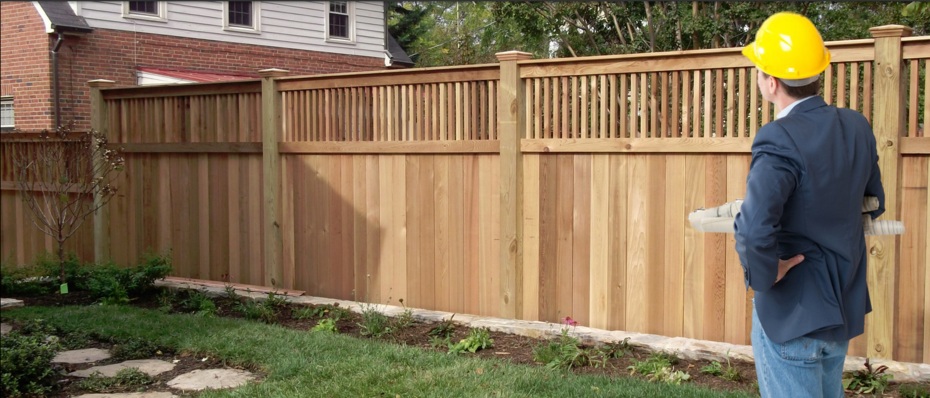
A flat, soft yard is easy. Most of Central Texas is neither. Plenty of Austin-area lots roll downhill toward a greenbelt, drop off at the back corner, or sit on a shelf of limestone that stops a post-hole digger cold a foot down. These conditions are not problems a good crew avoids; they are problems a good crew plans for. The way a builder approaches a slope or a rocky patch tells you almost everything about whether your finished fence will look intentional or improvised.
If your property has grade changes or shallow rock, the right Austin fence contractor will talk through the options with you before quoting, because the method changes the look, the cost, and the timeline. A crew that glosses over the terrain and hands you a flat number is often the same crew that will hit a problem mid-install and either cut corners or come back asking for more money. Understanding those options ahead of time makes it easier to choose a builder who knows the local ground.
Two Ways to Follow a Slope

There are two main ways to run a fence down a hill, and they look very different. Racking, sometimes called raking, keeps the pickets vertical while the rails angle to follow the ground, so the top of the fence flows smoothly with the slope. Stair-stepping keeps each section level and drops it down like a staircase, leaving small triangular gaps at the bottom of each step. Racking suits gentle, steady grades and gives a clean continuous line. Stepping works better on steep or uneven drops and pairs naturally with certain styles. Skilled fence builders in Austin, TX will recommend one based on your actual grade rather than forcing whichever is easier to install. A good crew will also show you a quick sketch or some photos so you can clearly picture the result before any digging starts.
Gaps, Privacy, and Critter Control
Slopes create gaps, and gaps matter if you have pets or want full privacy. A stair-stepped wood fence can leave openings under the low edge of each panel where the ground falls away, and a determined dog will find them quickly. A good crew closes these by adding a rot-resistant bottom rail, custom-cutting pickets to follow the grade, or building a small retaining course where the drop is severe. These are the details that keep a dog in the yard and keep the finished fence from looking like it was fought rather than carefully planned.
Setting Posts in Limestone and Rock
Rocky ground is the other Central Texas reality. When a crew hits limestone, hand diggers and standard augers are not enough. Experienced builders bring rock augers, core drills, or breakers to reach proper depth, because a post set shallow just to avoid the rock will not hold. Sometimes the better answer is core-drilling into solid rock and setting the post in epoxy or concrete, which actually makes for an extremely stable anchor.
The wrong move is shortening the hole and hoping; the right move is having the equipment to do it correctly the first time. Ask a prospective crew directly how they handle rock, because the answer reveals whether they have experience handling your type of work.
Why Local Experience Matters Here
A crew that builds in this area every week already knows which neighborhoods sit on rock, how the clay behaves on a slope, and where water runs after a storm. That familiarity shows up as fewer surprises, accurate quotes, and a fence that fits the land instead of fighting it. An out-of-town crew chasing a low bid often learns these lessons on your dime, with frustrating delays and change orders when the ground does not cooperate. When you are interviewing builders, take time to ask to see fences they built on terrain like yours.

B.C. Fence is the trusted Austin fence contractor that brings the right equipment and local know-how to slopes, rocky lots, and limestone since 1996, building fences that follow your land cleanly. With B.C. Fence, you can count on reliable fence builders Austin, TX who property owners recommend, and a fence done right the first time.

![Succession [Ep.1 v1.0] [Covert Ape]](https://usamagazine.online/wp-content/uploads/2026/06/Succession-Ep.1-v1.0-Covert-Ape.jpg)