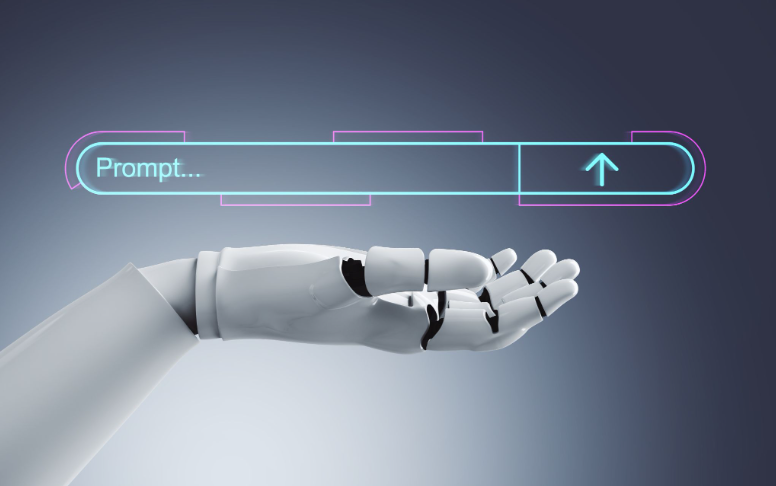
Traditional virtual assistants were designed to follow predefined commands and scripts, helping users with basic tasks like scheduling, reminders, or answering simple questions through rule-based automation systems.
As technology advanced, machine learning and natural language processing allowed assistants to understand context better, but they still depended heavily on human input and limited decision-making capabilities.
AI agents represent the next stage of this evolution, operating with autonomy, reasoning abilities, and adaptive learning, enabling them to perform complex workflows without constant supervision or manual intervention.
This shift marks a fundamental change, where assistance is no longer reactive but proactive, allowing systems to anticipate needs, optimize actions, and continuously improve performance through experience.
How AI Agents Differ from Traditional Virtual Assistants
Traditional virtual assistants respond to direct commands, while AI agents analyze goals, environments, and constraints to decide the best course of action independently across multiple steps and systems.
AI agents can connect with databases, APIs, and software tools, enabling them to complete end-to-end tasks like research, execution, monitoring, and reporting without switching platforms or human micromanagement.
Another major difference lies in learning, as AI agents refine their strategies over time using feedback, while traditional assistants remain static unless manually updated by developers or system administrators.
This intelligence allows AI agents to handle ambiguity, make informed decisions, and adapt to changing conditions, which makes them suitable for dynamic business and operational environments.
Business Adoption and Operational Impact
Businesses are rapidly adopting AI agents to automate repetitive and knowledge-intensive tasks, reducing operational costs while increasing speed, accuracy, and consistency across departments and workflows.
In customer support, AI agents can manage conversations, resolve issues, escalate complex cases, and analyze sentiment simultaneously, improving response times and customer satisfaction at scale.
Operations teams use AI agents for data analysis, inventory forecasting, process optimization, and compliance monitoring, enabling leaders to focus on strategic decisions rather than routine execution.
This transformation reshapes workforce roles, where employees collaborate with AI agents, shifting from manual task execution toward oversight, creativity, and higher-value problem-solving responsibilities.
Benefits of Replacing Traditional Virtual Assistants
One of the biggest benefits of AI agents is autonomy, allowing systems to work continuously without waiting for commands, approvals, or repeated instructions from users or administrators.
AI agents also improve accuracy and efficiency by reducing human error, integrating real-time data, and executing tasks consistently according to defined goals and performance metrics.
Scalability is another advantage, as organizations can deploy multiple AI agents simultaneously across teams, regions, and time zones without proportional increases in staffing or infrastructure costs.
Additionally, AI agents enhance personalization by learning user preferences, behaviors, and outcomes, delivering tailored responses and actions that traditional virtual assistants cannot reliably achieve.
Challenges and Ethical Considerations
Despite their advantages, AI agents introduce challenges related to transparency, accountability, and control, especially when systems make autonomous decisions affecting users or businesses.
Data privacy is a major concern, as AI agents often require access to sensitive information, making robust security, compliance, and governance frameworks essential for responsible deployment.
There is also the risk of overreliance, where organizations may depend too heavily on AI agents without sufficient human oversight, potentially amplifying errors or biased decision-making.
Addressing these challenges requires ethical design, clear boundaries, regular audits, and human-in-the-loop strategies to ensure AI agents remain aligned with organizational values and legal standards.
The Future of Work with AI Agents
As AI agents continue to evolve, they are expected to become collaborative partners rather than simple tools, working alongside humans to achieve shared objectives efficiently.
Future workplaces will likely feature networks of specialized AI agents handling research, planning, execution, and optimization, while humans provide judgment, creativity, and strategic direction.
This collaboration will redefine productivity, enabling smaller teams to accomplish more, innovate faster, and respond quickly to market changes using intelligent automation.
Ultimately, AI agents replacing traditional virtual assistants signals a broader transformation in how work is performed, emphasizing adaptability, intelligence, and continuous improvement in the digital age.