Dental sealants are one of the most effective preventive treatments available for protecting teeth from cavities. While they are often associated with children, dental sealants can also benefit teenagers and adults who are at risk of tooth decay. By creating a protective barrier over the chewing surfaces of molars, sealants help keep food particles and bacteria out of the deep grooves where cavities commonly develop.
At Art Family Dental, we believe preventive care is the key to maintaining healthy smiles for life. If you’re wondering whether dental sealants are right for you or your child, this guide explains who should get them, how they work, and the many benefits they offer.
What Are Dental Sealants?
Dental sealants are thin, protective coatings made from a durable resin material that are applied to the chewing surfaces of the back teeth.
Molars and premolars naturally have deep pits and grooves that can trap:
- Food particles
- Plaque
- Bacteria
Even with careful brushing, these areas can be difficult to clean thoroughly. Dental sealants seal these grooves, reducing the risk of cavities by preventing bacteria from reaching the tooth enamel.
Why Are Dental Sealants Important?
Tooth decay often begins in the deep grooves of the back teeth because they are exposed to constant chewing and are harder to clean than smooth tooth surfaces.
Dental sealants provide an additional layer of protection by:
- Blocking food and bacteria
- Making teeth easier to clean
- Reducing plaque buildup
- Protecting enamel from acid attacks
- Lowering the risk of cavities
Sealants are an important part of preventive dentistry and can help reduce the need for future restorative treatments.
Children: The Best Candidates for Dental Sealants
Children are among the best candidates for dental sealants because their newly erupted permanent molars are especially vulnerable to cavities.
Dentists often recommend applying sealants:
- Around age 6, when the first permanent molars erupt
- Around age 12, when the second permanent molars appear
Applying sealants early helps protect these teeth during the years when cavity risk is highest.
Teenagers
Teenagers continue to benefit from dental sealants, especially if they:
- Have deep grooves in their molars
- Have a history of cavities
- Wear orthodontic appliances that make brushing more difficult
- Consume sugary snacks or drinks frequently
Sealants provide additional protection while encouraging lifelong oral health.
Adults
Although many people think dental sealants are only for children, adults can also benefit.
Adults may be good candidates if they:
- Have healthy molars without fillings
- Have deep grooves that trap food easily
- Are prone to cavities
- Want to reduce future dental treatment
- Practice preventive dental care
Your dentist can evaluate whether sealants are appropriate based on the condition of your teeth.
Who May Not Need Dental Sealants?
Dental sealants may not be recommended if:
- The tooth already has a large filling
- Significant decay is present
- The chewing surface has been extensively restored
- The tooth cannot be properly isolated during placement
In these cases, your dentist may recommend another restorative or preventive treatment.
The Dental Sealant Procedure
Applying dental sealants is quick, painless, and usually completed in one visit.
The process includes:
Step 1: Cleaning the Tooth
The tooth is thoroughly cleaned to remove plaque and debris.
Step 2: Preparing the Surface
A conditioning solution is applied to help the sealant bond securely.
Step 3: Drying the Tooth
The tooth is rinsed and dried completely.
Step 4: Applying the Sealant
The liquid sealant is painted onto the chewing surface, where it flows into the grooves.
Step 5: Hardening the Material
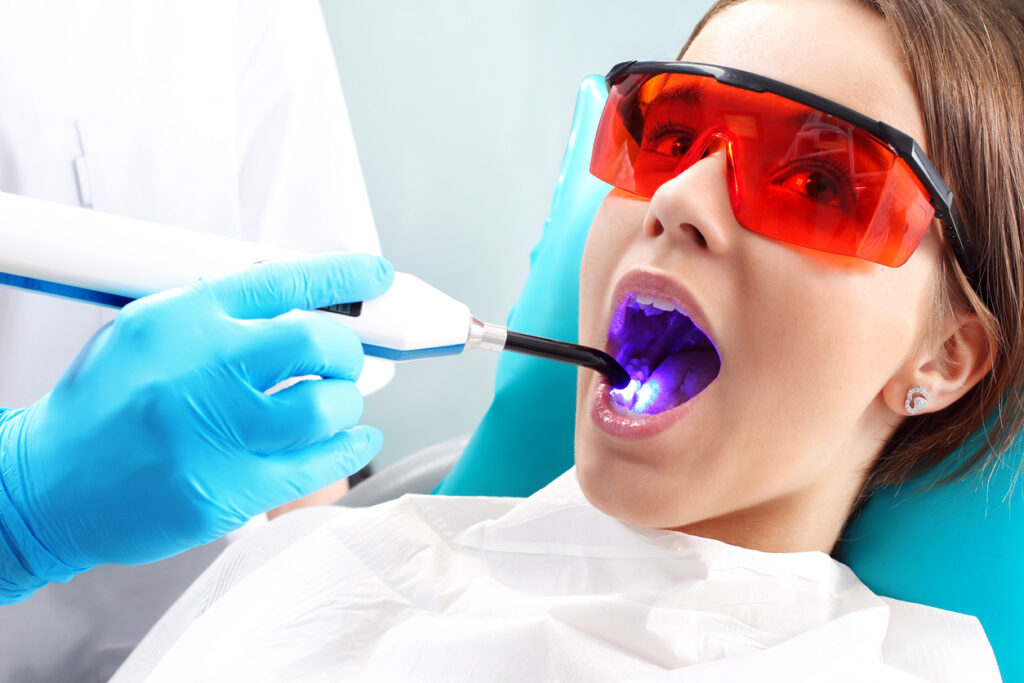
A special curing light hardens the sealant within seconds, allowing immediate protection.
The entire process usually takes only a few minutes per tooth.
Benefits of Dental Sealants
Dental sealants offer many long-term advantages, including:
- Prevent cavities
- Protect hard-to-clean chewing surfaces
- Preserve healthy tooth enamel
- Reduce future dental treatment
- Quick, painless application
- Long-lasting protection
- Cost-effective preventive care
- Suitable for both children and adults
These benefits make sealants one of the most valuable preventive dental treatments available.
How Long Do Dental Sealants Last?
With proper oral hygiene and regular dental checkups, dental sealants typically last 5 to 10 years.
During routine visits, your dentist will examine the sealants and repair or replace them if necessary.
Caring for Dental Sealants
Maintaining dental sealants is simple.
To keep them effective:
- Brush twice daily with fluoride toothpaste.
- Floss every day.
- Limit sugary foods and beverages.
- Avoid chewing hard objects like ice or pens.
- Visit your dentist regularly for professional cleanings and examinations.
Good oral hygiene helps maximize the lifespan of both your sealants and your natural teeth.
Why Choose Art Family Dental?
At Art Family Dental, we are dedicated to helping patients prevent cavities through personalized, high-quality preventive dental care. Our experienced team uses advanced materials and modern techniques to apply durable dental sealants that protect teeth for years to come. Whether you’re seeking preventive care for your child or yourself, we create customized treatment plans designed to support lifelong oral health.
Conclusion
Dental sealants are an effective preventive treatment for children, teenagers, and many adults who want to reduce their risk of cavities. By protecting the deep grooves of molars from plaque and bacteria, sealants help preserve healthy teeth and minimize the need for future dental procedures. At Art Family Dental, we are committed to providing comprehensive preventive care tailored to every patient’s needs. Schedule your appointment today to find out if dental sealants are the right choice for you or your family.