Businesses rely on technology for almost every part of their daily operations. Computers, laptops, servers, smartphones, networking equipment, and other IT devices help employees stay productive and keep business processes running smoothly. However, technology does not remain useful forever. Devices eventually become outdated, damaged, or unsuitable for a company’s changing needs.
Managing these retired devices has become an important responsibility for modern businesses. Simply storing old equipment or sending it away for disposal can create security, financial, and environmental problems. This is where ITAD software can make a difference. It helps organizations create a more organized approach to managing technology after it reaches the end of its primary business use.
Understanding IT Asset Disposition

IT asset disposition, commonly called ITAD, is the process of managing technology that a business no longer needs. It can include collecting equipment, tracking assets, evaluating their condition, securely handling data, recovering value, recycling usable materials, and documenting the final outcome.
For smaller organizations, these activities may be manageable through spreadsheets and manual records. However, businesses with hundreds or thousands of devices can quickly find these methods difficult to maintain.
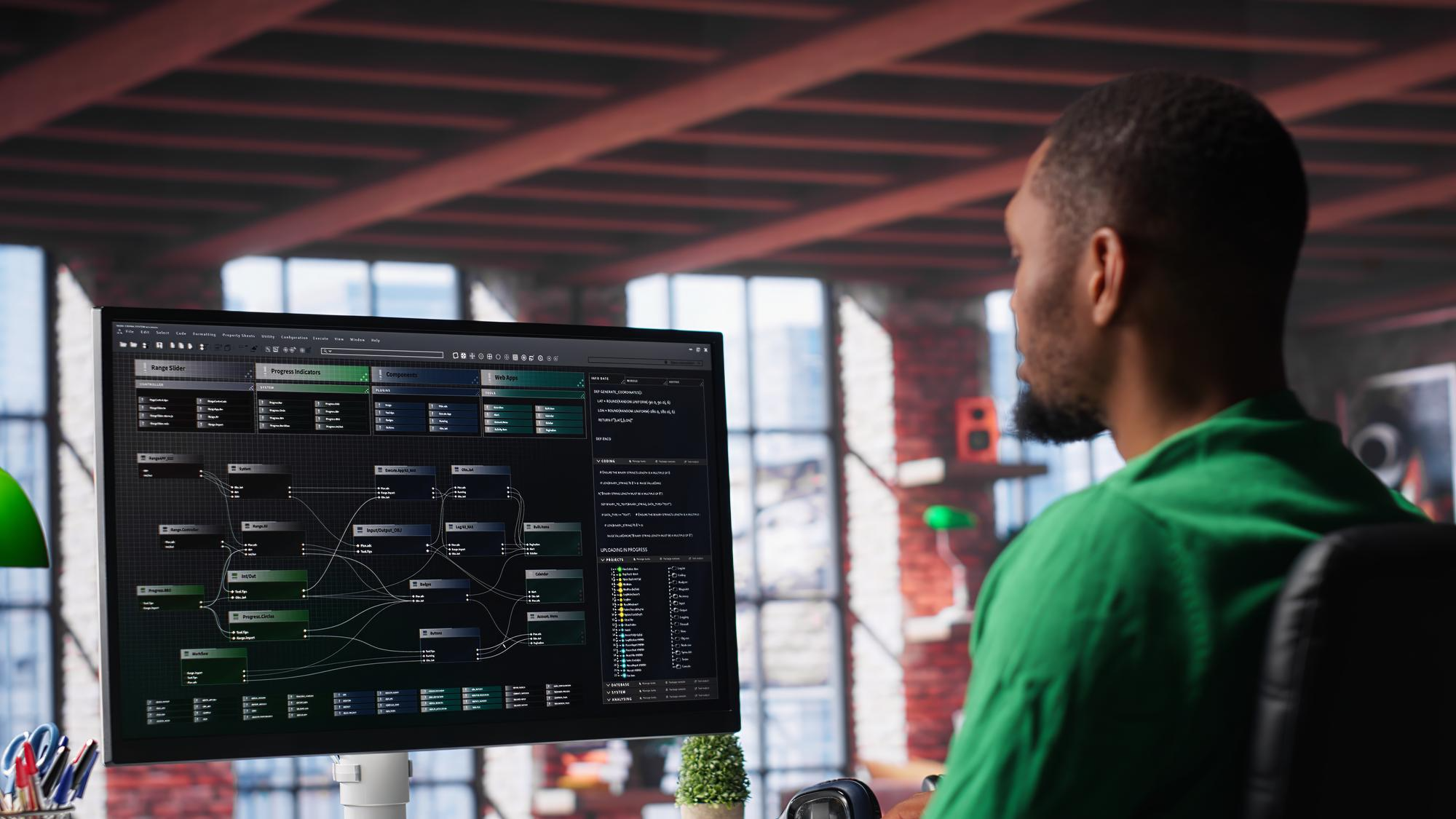
ITAD software provides a centralized way to manage these activities. Instead of keeping information across different spreadsheets, emails, and paperwork, businesses can organize important asset information in one place.
Better Visibility Into Retired Assets
One of the biggest advantages of ITAD software is improved visibility. When equipment moves between employees, offices, storage locations, recycling facilities, or resale channels, it can become difficult to know where individual assets are.
A centralized software system can help businesses maintain records for different devices and track their status throughout the disposition process.
Teams can determine whether equipment has been collected, inspected, refurbished, resold, recycled, or otherwise processed. This makes it easier to identify delays and keep the overall workflow organized.
Better visibility can also improve communication between IT departments, finance teams, facilities managers, and external ITAD providers. Everyone can work from more consistent information instead of relying on separate records.
Strengthening Data Security
Retired technology can still contain sensitive information. Laptops, desktops, hard drives, servers, and other storage devices may contain customer information, employee records, financial documents, business communications, or confidential company data.
For this reason, data security should not stop when an employee returns a device.
A structured ITAD process can help organizations document how data was handled before equipment was reused, resold, or recycled. Software can help maintain records associated with individual assets and provide greater visibility into the steps taken during disposition.
This documentation can be particularly useful when businesses need to demonstrate that appropriate procedures were followed. It also creates a clearer chain of accountability for devices containing sensitive information.
Making Electronics Recycling More Organized
Electronic waste is another important consideration when businesses retire IT equipment. Not every outdated device needs to be treated as waste. Some equipment can be repaired, reused, refurbished, or resold, while materials from unusable devices may be recovered through responsible recycling.
A structured technology disposition process helps organizations make these decisions instead of sending everything directly to disposal.
Businesses looking to improve their recycling workflows can also use e-waste management software to organize information about electronic waste, recycling activities, and material movement. This can support more consistent environmental practices while helping companies maintain useful records.
Responsible recycling can reduce unnecessary waste and ensure that electronic equipment is handled through appropriate channels.
Recovering Value From Retired Equipment
Retired does not always mean worthless. A computer that no longer meets the requirements of one employee may still be useful to another organization or buyer.
For example, a company replacing hundreds of laptops may discover that many of the older devices remain functional. Depending on their condition and market demand, these assets could potentially be refurbished, resold, donated, or reused.
ITAD software can help businesses organize asset information and make better disposition decisions. Having accurate records about equipment condition, age, specifications, and location can make it easier to identify assets that may still have value.
Recovering value from retired technology can help offset some equipment replacement costs. It can also extend the useful life of devices and reduce the number of electronics entering the waste stream.
Improving Compliance and Documentation
Businesses often need reliable records showing how their technology assets were handled. Depending on the organization and industry, documentation may be important for internal reviews, contractual obligations, environmental programs, or compliance requirements.
Manual documentation can become inconsistent when multiple departments or external service providers are involved.
ITAD software can help centralize important records and make documentation easier to maintain. Asset information, processing status, data handling activities, and final disposition details can be connected to individual devices or groups of equipment.
Having organized records can make audits and internal reviews easier because teams do not have to reconstruct an asset’s history from scattered documents.
Supporting Sustainable Business Practices
Sustainability is becoming an increasingly important consideration for businesses. Companies are looking at ways to reduce waste, use resources more efficiently, and improve the environmental impact of their operations.
Technology disposal is part of this discussion because businesses regularly replace large numbers of electronic devices.
Instead of automatically treating every retired device as waste, companies can consider whether equipment can be repaired, reused, refurbished, donated, or resold. When equipment has reached the end of its practical life, responsible recycling can help recover useful materials.
ITAD software can support this approach by helping organizations track assets and manage different disposition outcomes. This makes responsible technology management a more structured part of the overall business process.
Why Automation Matters
Managing retired technology manually can take considerable time. Employees may need to update spreadsheets, send emails, collect information from different departments, and prepare reports.
As the number of assets increases, manual processes also create more opportunities for mistakes. An asset may not be updated correctly, a device may be overlooked, or important documentation may be difficult to locate.
Automation can reduce some of this administrative work. Depending on the solution, businesses may be able to automate notifications, workflow steps, status updates, reporting, and other routine activities.
This allows IT teams to spend less time maintaining records and more time focusing on technology planning and other important responsibilities.
Building a More Efficient IT Asset Lifecycle
IT asset disposition should not be treated as an isolated activity that starts only when a device becomes obsolete. It is part of the wider technology lifecycle, which includes purchasing, deployment, maintenance, upgrades, retirement, and final disposition.
ITAD software can help businesses connect the final stage with information collected throughout the asset’s lifecycle. Knowing an asset’s age, condition, location, and history can help teams decide what should happen when the equipment is retired.
A clear lifecycle process can also prevent devices from sitting unused in storage for months. Older equipment can lose resale value over time, while devices containing sensitive information may remain a security concern.
Keeping the disposition process organized helps businesses move equipment through the appropriate stages without unnecessary delays.
Choosing the Right ITAD Approach
Every organization has different technology requirements, so businesses should consider their own processes before selecting an ITAD solution.
The number of assets, locations, security requirements, reporting needs, recycling practices, and existing business systems can all influence which type of software is appropriate.
A useful solution should make it easier to track assets, manage workflows, maintain records, and understand the final outcome of retired equipment.
The goal should not simply be to introduce another software platform. The real objective is to create a reliable process that reduces confusion and gives teams better control over retired technology.
Preparing for the Future of ITAD
Businesses are adopting new technologies at a rapid pace. Cloud services, remote work, artificial intelligence, connected devices, and frequent hardware upgrades can all contribute to a growing number of retired IT assets.
As technology fleets become larger and more complex, relying entirely on manual processes may become increasingly difficult.
ITAD software can give organizations a centralized way to manage this growing workload. Better tracking and reporting can help businesses understand where their assets are and what happens to them after retirement.
Sustainability will also continue to influence technology management. Businesses are increasingly expected to demonstrate responsible practices rather than simply disposing of unwanted equipment.
A well-managed ITAD process can support these expectations by helping organizations extend the useful life of technology, recover value where possible, and ensure that unusable equipment is handled responsibly.
Final Thoughts
Managing retired technology is no longer simply a matter of clearing old devices out of an office. Businesses need to consider data security, asset value, documentation, efficiency, and environmental responsibility.
ITAD software can bring these areas together through better tracking, organized workflows, centralized records, and improved visibility.
With a structured approach, businesses can make smarter decisions about their retired equipment while reducing unnecessary administrative work. They can also create opportunities to recover value from usable assets and improve the way electronic waste is handled.

As technology continues to evolve, organizations that treat IT asset disposition as an important part of the overall asset lifecycle will be better prepared to manage the growing volume of retired equipment responsibly and efficiently and Saas Tools.