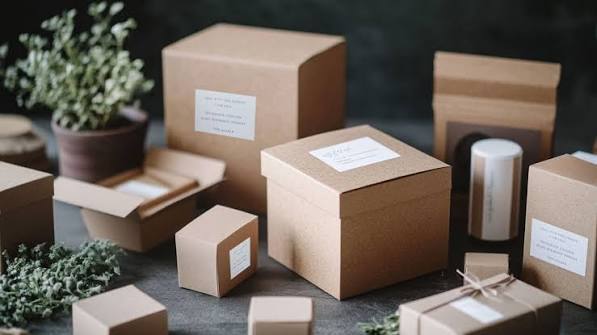
Custom packaging for small business means getting branded, properly fitted boxes without the large order commitments that used to make custom packaging feel out of reach for newer companies. Many suppliers now offer low or no minimum order quantities specifically because small businesses and startups make up a growing share of their customer base. Here’s how small businesses can approach custom packaging realistically, without overspending on a first order.
Why Does Custom Packaging Matter for a Small Business?
Custom packaging gives a small business the same branding tools larger competitors use, often at a surprisingly manageable cost once low-MOQ suppliers are factored in. For a business still building name recognition, the shipping box or retail carton is frequently the first physical touchpoint a customer has with the brand.
Specific reasons it matters early on:

- Brand consistency — printed packaging reinforces identity before a customer even opens the product
- Perceived professionalism — custom boxes generally read as more established than generic packaging with a sticker slapped on
- Social sharing potential — small businesses often rely on organic word-of-mouth, and a memorable unboxing moment supports that
- Flexibility to start small — no-MOQ suppliers let you test packaging before committing to a large production run
What’s the Biggest Packaging Mistake Small Businesses Make?
The most common mistake is over-ordering based on a supplier’s volume discount without accounting for storage space, cash flow, or the risk of needing design changes later. A lower per-unit price on 10,000 boxes isn’t a savings if 7,000 of them sit in a storage unit for a year or become outdated after a rebrand.
How Many Boxes Should a Small Business Order the First Time?
A reasonable starting point is ordering close to what you expect to use within three to six months, which balances per-unit cost savings against storage space and the flexibility to adjust your design if something isn’t working. Suppliers offering no minimum order quantity make it possible to start even smaller and scale up once you’ve confirmed the packaging performs the way you expect.
Do Small Businesses Need a Minimum Order Quantity?
Not necessarily — minimum order quantities vary significantly by supplier, and some, including The Custom Box Lab, offer custom packaging with no MOQ required, specifically removing the barrier that used to keep small businesses locked into generic packaging. This matters most for a business still validating product demand or testing a new box design before scaling production.
| Supplier Approach | Pros | Cons |
|---|---|---|
| High MOQ (1,000+ units) | Lower per-unit cost at volume | Large upfront cost, storage needs |
| Low or no MOQ | Lower risk, easier to test designs | Per-unit cost may be higher at small quantities |
Which Materials Make Sense on a Small Business Budget?
Kraft paper and standard corrugated fiberboard are generally the most budget-friendly starting materials, offering solid durability and a clean printed surface without the added cost of rigid stock.
| Material | Relative Cost | Best For |
|---|---|---|
| Kraft paper | Lower | Skincare, food, eco-focused startups |
| Corrugated fiberboard | Moderate | Shipping-heavy e-commerce businesses |
| Rigid stock | Higher | Premium positioning, often added later as the brand grows |
Starting with kraft or corrugated materials and adding premium finishes selectively — rather than going all-in on rigid boxes and heavy finishing from day one — lets a small business build a professional look without overextending the budget.
How Much Does Custom Packaging Cost for a Small Business?
Cost depends on material, box style, print method, finishing, and order quantity, with per-unit price generally decreasing as volume increases, though small businesses can still get reasonable pricing at lower quantities from the right supplier.
| Factor | Impact on Price |
|---|---|
| Material (kraft, corrugated, rigid) | Rigid stock costs more than kraft or standard corrugated |
| Number of print colors | Fewer colors generally cost less |
| Finishes (foil, embossing, spot UV) | Each finish adds to per-unit cost |
| Order quantity | Larger volumes generally lower per-unit cost |
| Die and plate setup | Some suppliers charge separately; others include it |
Hidden die-cutting and plate setup fees hit small businesses hardest, since these fixed costs make up a larger percentage of a smaller order’s total. The Custom Box Lab doesn’t charge separate die or plate fees, which keeps a small first order closer to its quoted price.
What Design Choices Help a Small Business Look Professional Without Overspending?
A clean, single-color logo print on a well-fitted box typically looks more professional than a busy multi-color design squeezed into a tight budget. Restraint in design often reads as more intentional than trying to include every available finish on a first production run.
- Start with one or two brand colors rather than a full-color print.
- Choose one finish, if any, such as matte lamination, rather than combining several.
- Prioritize a correctly sized box over decorative extras — fit affects both cost and protection.
- Save premium finishes like foil stamping for a later order once the business has more data on what customers respond to.
How Do Small Businesses Get Started With a Supplier?
- Measure your product precisely to avoid paying for unnecessary size.
- Decide on a realistic starting quantity, factoring in storage and cash flow.
- Choose a budget-conscious material like kraft or standard corrugated.
- Request a quote and ask specifically about MOQ and setup fees.
- Review a free design mockup before approving production.
- Order a sample, if available, before committing to a full run.
Suppliers offering free design support and a 3D mockup step, such as The Custom Box Lab, let small businesses confirm their design works before spending on a production run they can’t easily revise.
Conclusion
Custom packaging is no longer reserved for businesses that can afford a 10,000-unit order — no-MOQ suppliers and budget-friendly materials like kraft and corrugated fiberboard make professional-looking packaging realistic for small businesses from the first order. The key is restraint: a well-fitted box with a clean, simple print often looks more intentional than an over-designed one squeezed into a tight budget. Starting small, confirming the design works through a mockup, and scaling the order size as the business grows keeps packaging costs aligned with actual demand rather than guesswork.
Frequently Asked Questions
Can a small business afford custom packaging? Yes, many suppliers now offer low or no minimum order quantities along with budget-friendly materials like kraft paper and standard corrugated fiberboard, making custom packaging realistic even for a first order. Starting with a simpler design and fewer finishes also helps control cost.
How much does custom packaging cost for a small business? Cost depends on material, print complexity, finishing, and order quantity, with simpler designs on kraft or corrugated material generally costing less than rigid boxes with multiple finishes. Requesting a quote at your actual planned quantity gives the most accurate number.
Is there a minimum order quantity for small business packaging? It depends on the supplier — some require a set minimum, while others, including The Custom Box Lab, offer no MOQ required, which lets a small business start with a modest first order.
How do I order custom packaging as a small business? Measure your product, choose a budget-friendly material, and request a quote while asking specifically about setup fees and MOQ. Reviewing a free design mockup before production helps confirm the design works before you commit.
What materials are most budget-friendly for small businesses? Kraft paper and standard corrugated fiberboard are generally the most cost-effective starting materials, offering solid durability without the added cost of rigid stock. Many small businesses add premium materials or finishes later as the brand grows.
How long does it take to get custom packaging made for a small order? Turnaround typically ranges from about 7–10 business days for express service up to 45–55 business days for the most economical option, regardless of order size. Confirming the exact timeline in writing helps you plan around a launch date.

Should a small business order a large quantity to save money? Not necessarily — a lower per-unit price on a large order isn’t a real saving if excess inventory sits in storage or becomes outdated after a design change. Ordering closer to a three-to-six-month supply is generally a safer starting point.