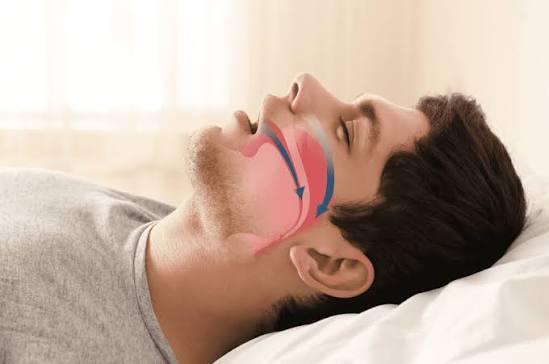
Obstructive sleep apnea (OSA) is a sleep-related breathing disorder that occurs when the upper airway repeatedly becomes blocked during sleep. Accurate diagnosis coding helps healthcare providers document the condition, support medical necessity, and submit claims correctly. Understanding the obstructive sleep apnea ICD 10 code is essential for sleep medicine specialists, medical coders, and billing teams seeking to minimize claim errors.
The primary ICD-10-CM code for obstructive sleep apnea is G47.33. Selecting the appropriate diagnosis code and maintaining complete clinical documentation are important steps in effective medical billing.
What Is the ICD 10 Code for Obstructive Sleep Apnea?
G47.33 — Obstructive sleep apnea (adult) (pediatric) is the ICD-10-CM code used to identify obstructive sleep apnea in adults and children.

This code is commonly used when the provider documents OSA as the patient’s diagnosis. However, symptoms such as snoring, daytime fatigue, and interrupted breathing should not independently determine code selection without appropriate clinical documentation.
Healthcare providers and medical billing professionals should confirm that the diagnosis recorded in the medical record supports the selected code.
Common Symptoms and Diagnosis of Obstructive Sleep Apnea
Obstructive sleep apnea can affect sleep quality, daily functioning, and overall health. Common symptoms include:
- Loud, persistent snoring
- Pauses in breathing during sleep
- Gasping or choking during the night
- Excessive daytime sleepiness
- Morning headaches
- Difficulty concentrating
Diagnosis may involve a clinical evaluation and an appropriate sleep study, such as home sleep apnea testing or laboratory polysomnography. The treating provider determines the diagnosis based on the patient’s clinical presentation and test findings.
Documentation Requirements for G47.33
Accurate documentation is essential when assigning the obstructive sleep apnea ICD-10 code. The medical record should clearly establish the diagnosis and support the services provided.
Important documentation elements may include:
- The provider’s documented diagnosis of obstructive sleep apnea
- Relevant clinical history and symptoms
- Sleep study findings, when applicable
- Treatment recommendations and follow-up plans
- Medical necessity documentation for ordered services
Billing teams should ensure that the diagnosis submitted on the claim aligns with the provider’s documentation and the applicable payer requirements.
Obstructive Sleep Apnea ICD 10 and Medical Billing Challenges
Even when G47.33 is correctly assigned, claims may encounter reimbursement issues because of incomplete documentation, coding inconsistencies, authorization requirements, or payer-specific coverage rules.
Common billing challenges include:
- Medical necessity issues: Documentation may not sufficiently support the service billed.
- Diagnosis mismatches: The diagnosis on the claim may differ from the clinical record.
- Authorization errors: Required prior authorization may be missing.
- Incomplete claim information: Missing or inconsistent information can delay processing.
- Denial management problems: Unresolved rejections and denials can affect cash flow.
Medical billing teams should review claims carefully, verify payer requirements, and investigate denials to identify their underlying causes.
How Neo MD Supports Obstructive Sleep Apnea Billing
Neo MD is a medical billing services provider that supports healthcare practices with medical billing, coding-related workflows, revenue cycle management, and denial follow-up. For sleep medicine practices, an organized billing process helps maintain consistency between clinical documentation, diagnosis codes, and submitted claims.
By reviewing claim information, monitoring denials, and managing reimbursement workflows, services such as Neo MD can help practices address avoidable billing issues and improve revenue cycle efficiency.
Frequently Asked Questions
What is the ICD 10 code for obstructive sleep apnea?
The ICD-10-CM code for obstructive sleep apnea in adults and children is G47.33.
Is G47.33 used for central sleep apnea?
No. G47.33 identifies obstructive sleep apnea. Primary central sleep apnea is classified under G47.31, while other central sleep apnea conditions may require different codes.
Can G47.33 support sleep study billing?
It may support medical necessity for certain sleep studies, depending on the service, clinical documentation, and applicable payer coverage policy. Verify the requirements before submitting a claim.
Does obstructive sleep apnea coding affect reimbursement?
Yes. Accurate diagnosis coding and complete documentation help support appropriate claim processing. Incorrect codes, insufficient documentation, and unmet payer requirements may result in denials or delays.

Conclusion
The obstructive sleep apnea ICD 10 code G47.33 is essential for accurately identifying documented OSA in adults and children. Healthcare providers and billing teams should prioritize specific diagnosis coding, complete documentation, and payer-policy verification to support clean claims. With an effective revenue cycle process, practices can better manage billing challenges, reduce preventable denials, and maintain consistent reimbursement workflows. Neo MD provides medical billing and revenue cycle support to help healthcare practices manage these operational responsibilities.