Two buildings can hold the same racks, the same staff, and the same products, yet one ships orders like clockwork while the other chokes on its own volume. The difference rarely comes down to effort. It is usually about how efficiently goods travel from receiving to shipping, and how well that path was planned from the start.Movement is the backbone of any busy facility. When it flows, everything downstream feels easy.
The Real Cost of Poor Flow
In a large building, staff can walk miles in a single shift just carrying items from zone to zone. Most of those steps are time not spent picking, packing, or checking orders. The waste piles up quietly until it caps how much the building can handle.
Poor flow breeds mistakes too. A worker juggling an armful of parcels is more likely to misplace one, and a misplaced item can snowball into a late shipment. Well-planned conveyor systems cut that waste by letting products travel while people stay put and focus on the work that calls for judgment.

The Building Blocks of Smooth Movement
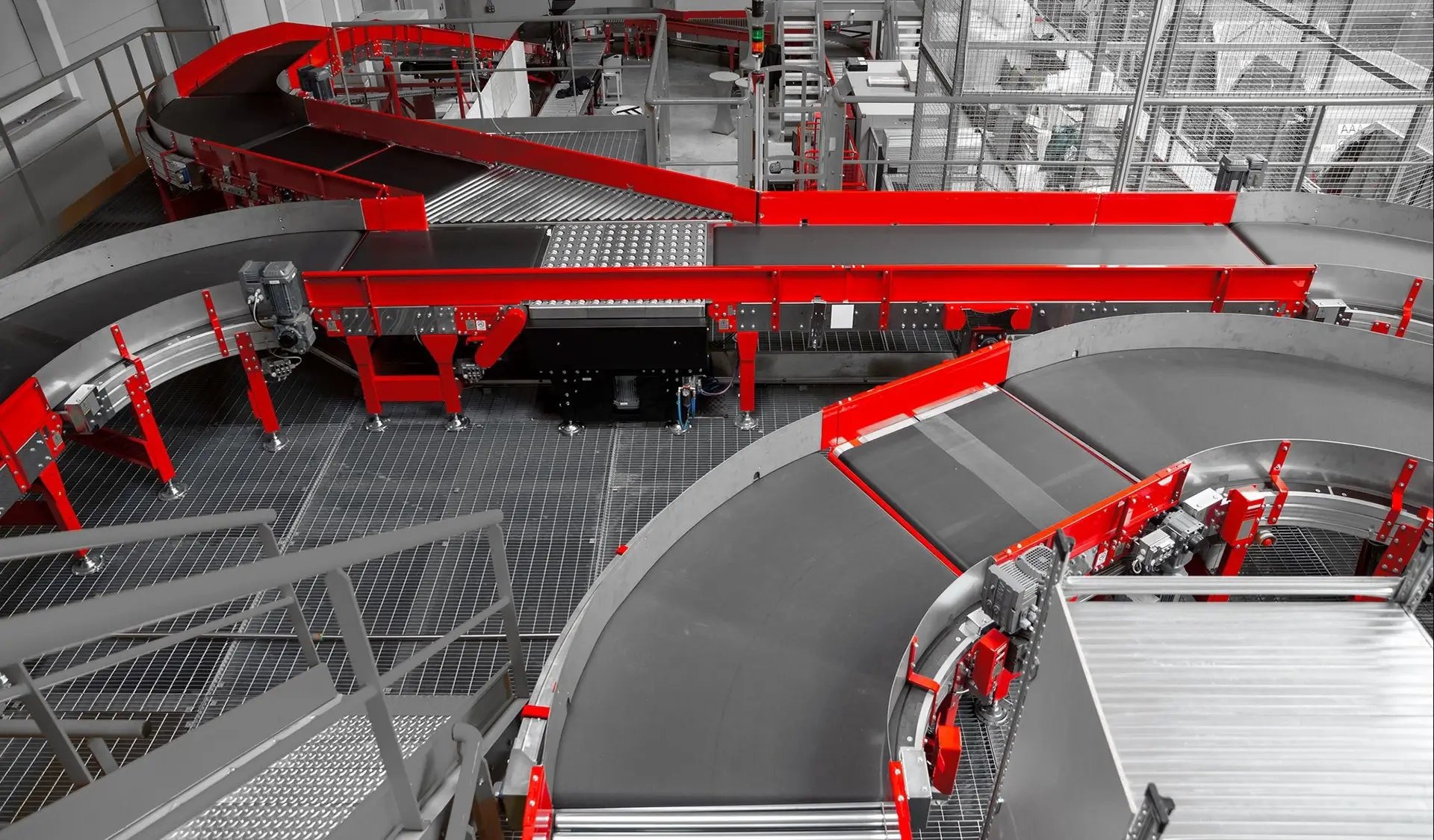
A strong setup is usually more than a single straight run. It weaves several pieces together so goods flow across the floor without backups. Here’s what shows up in most well-designed buildings.
- Straight runs that carry loads along the main path from zone to zone.
- Curves and merges that fold separate lines into one orderly stream.
- Sensors that track each item and stop cartons from crashing together.
- Sort points that peel orders off toward the correct dock or lane.
Powered movement often sits at the heart of these designs. Because each section of these conveyor systems runs only when a product is present, it trims energy use and cuts the manual labor once spent nudging goods along by hand.
Speed With Accuracy
Fast movement alone isn’t usually the goal. Goods also have to land in the right place. Sensors read each item and steer it down the correct route, so fewer parcels wind up at the wrong station or dock.
That accuracy carries real weight. A misrouted order costs time to hunt down and fix, and it can threaten the delivery promise a customer is counting on. Guide every item along a set path, and the floor tends to keep errors low even when a holiday rush doubles the volume.
Designing Around the Space and the Goods
Few buildings share the same bones, so a sound plan begins with the floor itself. Where the columns land, how high the ceiling runs, and where the docks sit shape how a line can run. A thoughtful layout bends around obstacles instead of fighting them.
The product mix shapes the design just as strongly. A roller conveyor system handles firm, flat-bottomed cartons well, while soft bags or odd shapes may call for a different surface. Match the equipment to the actual goods, and you can reduce jams and keep the stream steady. This planning stage can decide how smoothly an operation runs, long before the first carton moves.
Room to Scale as Orders Climb
A layout that fits comfortably today may strain against next year’s peak. A little foresight leaves headroom to extend runs, add sort points, or raise speed as demand grows.
Going modular makes that growth far simpler. When the sections of a roller conveyor system join in standard lengths, a building can often add capacity without ripping out what already works. That flexibility guards the original spend and lets a facility scale in step with its own success rather than starting over.
The Quiet Advantage Behind Every On-Time Order
The buildings that ship reliably usually aren’t the ones with the most frantic staff. They’re the ones that solved the movement problem thoughtfully, then let steady flow carry the day. Product that travels on its own frees people, trims errors, and lifts how much a building can push through in the same hours.

That advantage is easy to overlook, because it hums along in the background. Yet it’s often what turns a checkout promise into a package that lands on time. A floor built around smooth, well-matched movement is better placed to keep up with demand and stay ready for the next busy season, with a lot less of the last-minute scramble.