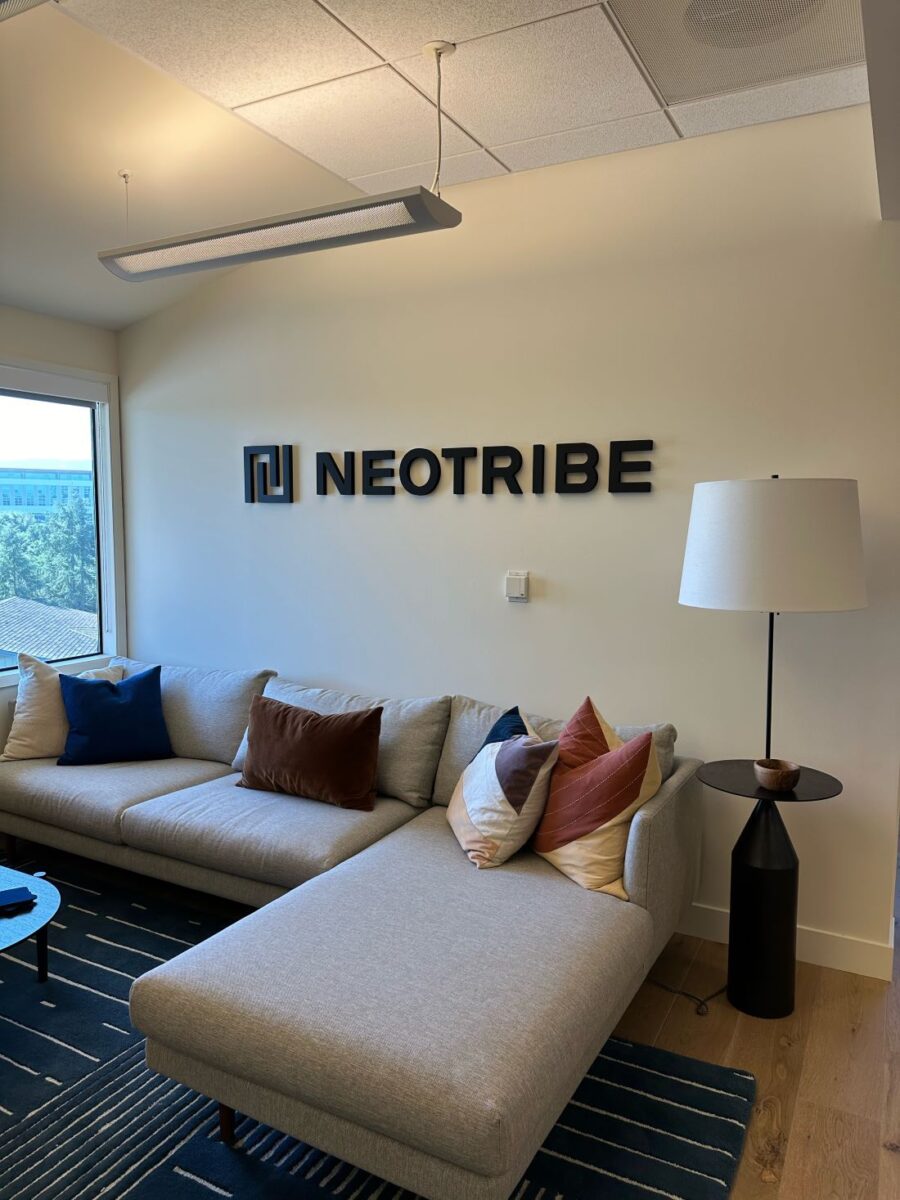
Introduction: Creating a Strong First Impression with Lobby Signs in San Jose
A business lobby is often the first physical space visitors experience when entering a company’s workplace. Before a meeting begins or a hotel guest reaches the front desk, the reception area communicates important details about the organization’s identity, professionalism, and attention to detail. In San Jose, where technology companies, corporate offices, hotels, and commercial properties serve a diverse business community, effective lobby signage can make that first impression more memorable.
Touchstone Signs & Graphics helps businesses explore signage solutions that connect visual branding with the needs of their physical environments. For companies located in San Jose’s Airport Business District, professionally planned lobby signs can reinforce brand recognition, identify reception areas, and create a more cohesive visitor experience.
The Airport Business District is a practical setting for corporate identification signage because of its proximity to San José Mineta International Airport, major transportation routes, hotels, and commercial properties. Businesses operating in this area may welcome clients from other cities, conduct interviews, host vendor meetings, or accommodate employees and guests who are unfamiliar with the building.

Well-designed lobby signs in San Jose can help these visitors recognize the right business, understand where to go, and experience a consistent brand identity from the moment they arrive.
What Are Lobby Signs for Business?
Lobby signs are interior signs installed in reception areas, entrances, waiting rooms, and other visitor-facing spaces. They typically display a company name, logo, tagline, or other identifying information. Depending on the design, lobby signage may also incorporate directional information or support a broader interior wayfinding system.
Unlike temporary promotional displays, lobby signs are generally designed to become an integral part of the workplace environment. Their materials, dimensions, lighting, and placement should complement the surrounding architecture while keeping the company’s identity easy to recognize.
Common lobby sign options include:
- Dimensional lettering: Individual raised letters that create depth and a professional appearance.
- Acrylic lobby signs: Clean, contemporary displays suitable for corporate reception areas and modern office interiors.
- Metal logo signs: Brushed or polished metal finishes that communicate a refined, established brand identity.
- Illuminated lobby signs: Backlit or internally illuminated designs that create visual emphasis in suitable reception spaces.
- Printed wall graphics: Branded imagery, messaging, or environmental graphics that extend a company’s identity across larger surfaces.
- Reception logo panels: A coordinated sign or panel that places the company logo behind or beside the reception desk.
The right choice depends on the business’s brand guidelines, available wall space, interior finishes, lighting conditions, and desired visitor experience.
Why the San Jose Airport Business District Is an Important Location for Lobby Signage
San Jose’s Airport Business District serves a mix of corporate offices, hotels, professional services, and commercial facilities. Its connection to San José Mineta International Airport makes the surrounding business environment relevant to organizations that regularly receive traveling employees, clients, partners, and other visitors.
In this setting, lobby signage has both a branding function and a practical purpose.
Corporate Offices: Reinforcing Brand Identity
Technology firms, consulting businesses, financial service providers, and other professional organizations often use their reception areas to communicate their company identity. A well-positioned logo sign behind the reception desk can establish a visual focal point and help create continuity between the company’s website, marketing materials, and physical office.
For example, a technology company in the Airport Business District might use dimensional lettering in a restrained finish, supported by a simple wall treatment. A creative agency might instead choose a colorful logo panel that reflects its visual identity.
Neither approach is universally better. The most effective solution is one that accurately represents the business and suits the environment in which it operates.
Hotels: Improving Guest Recognition
Hotels near the airport and surrounding commercial corridors welcome guests who may be arriving for conferences, business meetings, or overnight stays. Clear identification within reception and meeting areas can help guests recognize the appropriate service point and understand the layout.
Lobby signage in hotel-related commercial spaces should complement the interior design while remaining legible under different lighting conditions. Where several departments or facilities share a building, coordinated directional signs can provide additional guidance.
Commercial Properties: Identifying Businesses and Shared Spaces
Multi-tenant commercial buildings can present a different challenge. Visitors may enter through a shared lobby and need to identify a particular company, suite, conference room, or service area.
In these environments, lobby signs for business work best when integrated with tenant directories, suite identification, and directional signage. A prominent property name establishes the building’s identity, while individual tenant signs help visitors locate their destination.
Choosing the Right Lobby Sign for Your Business
A lobby sign should be selected according to its intended use rather than appearance alone. Businesses in San Jose can evaluate several common options before committing to a design.
1. Dimensional Lettering for a Professional Appearance
Dimensional letters stand away from the wall, creating shadows and depth. They can be produced in various sizes, finishes, and materials to match the company’s branding.
This format is suitable for corporate reception walls where the logo or company name needs to be the primary visual feature. Its effectiveness depends on adequate spacing, contrast, viewing distance, and the complexity of the lettering.
2. Acrylic Signs for Contemporary Offices
Acrylic lobby signs are often chosen for their smooth finish and versatility. Depending on the design, acrylic can support printed graphics, layered construction, dimensional lettering, or a clean panel-mounted logo.
For modern offices around San Jose’s airport corridor, acrylic can complement glass partitions, minimalist furniture, and contemporary interior finishes. Color, thickness, mounting hardware, and background contrast all affect the final result.
3. Metal Signs for a Refined Corporate Identity
Metal signage can provide a distinctive finish for established companies, professional firms, and executive office environments. Brushed metal may create a subtle appearance, while polished finishes can add stronger visual contrast.
Metal signs should be selected with the surrounding materials and lighting in mind. Reflections can affect readability, so a finish that looks attractive in a product sample should also be evaluated against the actual installation wall.
4. Illuminated Signs for Added Visual Emphasis
Illuminated lobby signs use lighting to make a logo or company name more prominent. Backlighting can create a halo effect behind dimensional letters, while other lighting configurations may emphasize the sign face.
Illumination can work particularly well in larger reception areas or spaces with limited ambient light. However, additional lighting is not always necessary. In a compact lobby, an unlit dimensional sign may provide sufficient impact with less electrical complexity and ongoing maintenance.
5. Environmental Graphics for Larger Reception Areas
Some businesses need more than a logo on a wall. Environmental graphics can combine brand messaging, imagery, company milestones, mission statements, and visual storytelling across a larger interior surface.
This approach may suit technology companies, creative offices, and organizations that want visitors to understand their culture or services before entering a meeting space. The content should remain selective and readable rather than turning the reception area into an overcrowded information display.
Lobby Signs Compared: Materials, Applications, and Maintenance
The following comparison provides a practical starting point for evaluating common lobby sign formats. Actual costs, durability, and maintenance requirements vary with material quality, fabrication methods, installation conditions, and design complexity.
| Sign type | Visual effect | Common application | Planning consideration |
|---|---|---|---|
| Dimensional lettering | Raised, three-dimensional appearance | Corporate reception walls | Requires careful spacing and wall layout |
| Acrylic signs | Smooth, contemporary finish | Technology offices and professional workplaces | Surface scratches and cleaning methods matter |
| Metal logo signs | Refined, architectural appearance | Executive offices and premium reception areas | Reflections and finish selection affect legibility |
| Illuminated signs | Emphasized logo or lettering | Large or feature-oriented reception areas | Requires power planning and access for servicing |
| Printed wall graphics | Large-scale imagery and messaging | Brand storytelling and workplace interiors | Design complexity and surface preparation affect results |
A business should also consider how often its branding changes. A permanent dimensional logo may suit an established corporate office, while a modular sign or replaceable panel could be more practical for a multi-tenant property with changing occupants.
An Original Framework for Evaluating Lobby Sign Effectiveness
There is no single lobby sign design that works for every organization. A useful way to compare options is to assess each sign against five practical criteria.
The following is a planning framework, not a measured industry benchmark. It gives businesses a consistent way to discuss design priorities before production.
Score each criterion from 1 to 5, where 1 indicates that the design needs substantial improvement and 5 indicates that it meets the business’s needs very well.
| Evaluation criterion | Key question |
|---|---|
| Brand recognition | Can visitors identify the company quickly? |
| Readability | Is the name or logo clear from the normal approach to reception? |
| Environmental fit | Does the sign complement the wall, lighting, furniture, and architecture? |
| Visitor navigation | Does the signage help people understand where to go? |
| Long-term practicality | Can the sign be cleaned, maintained, and updated appropriately? |
For instance, a visually striking illuminated sign might score highly for brand recognition but require additional planning for maintenance. A simple acrylic sign may be easier to maintain but need stronger contrast to remain legible against a light-colored wall.
This comparison encourages businesses to consider the complete visitor experience rather than choosing a sign solely because of its material or appearance.
Design Considerations for San Jose Commercial Interiors
San Jose offices and commercial properties can vary significantly in size, architecture, and interior style. Before selecting lobby signage, property managers and business owners should evaluate the physical environment.
Wall space and viewing distance: A logo designed for a small reception wall may not work at the same scale on a large lobby feature wall. Letter dimensions, spacing, and mounting height should reflect the distance from which visitors will view the sign.
Lighting and contrast: Natural light, overhead fixtures, glass walls, and reflective finishes can change how a sign appears throughout the day. Reviewing material samples in the actual space can help avoid poor contrast or distracting reflections.
Brand consistency: Company colors, logo proportions, typography, and spacing should follow established brand guidelines. Consistency helps connect the physical office with digital and printed communications.
Accessibility and wayfinding: A decorative brand sign does not automatically provide all the directional or accessibility information a building needs. Suite identification, room signs, and applicable accessible signage should be planned separately where required.
Installation conditions: Wall construction, surface finishes, mounting methods, electrical access, and landlord approval may affect which sign types are practical. These details should be reviewed before fabrication begins.
How Touchstone Signs & Graphics Supports Lobby Sign Planning in San Jose
Selecting lobby signs for business involves coordinating visual identity, materials, installation conditions, and the needs of employees and visitors. Touchstone Signs & Graphics is a San Jose signage brand that businesses can contact when exploring sign solutions for corporate offices and commercial environments.
For companies in the Airport Business District, the planning process should begin with a clear understanding of the reception area and the role the sign needs to perform. A corporate office may prioritize a prominent dimensional logo, while a hotel or multi-tenant property may need coordinated identification and directional signage.
Businesses preparing for a lobby signage project can gather the following information:
- The property address and photographs of the proposed installation area.
- Company logo files and brand specifications.
- Approximate wall dimensions and viewing distances.
- Preferred materials, finishes, colors, and lighting options.
- Any landlord requirements or building installation restrictions.
- Additional needs involving tenant directories, suite signs, or wayfinding.
These details help establish the project’s requirements and identify design or installation questions early. Specific fabrication, installation, permitting, and service capabilities should be confirmed directly with Touchstone Signs & Graphics for the proposed project.
For businesses seeking lobby signs in San Jose, the objective is to create signage that reflects the company accurately, fits the interior environment, and helps visitors recognize the right destination.
Conclusion: Make Your Reception Area Work for Your Brand
A lobby is more than a waiting area. It is an important part of how a company presents itself to clients, employees, partners, and other visitors. In San Jose’s Airport Business District, where corporate offices, hotels, and commercial properties serve people arriving from across Silicon Valley and beyond, effective lobby signage can connect brand identity with a more organized visitor experience.
The strongest solutions combine legibility, thoughtful material selection, appropriate placement, consistent branding, and practical maintenance planning. Dimensional lettering, acrylic panels, metal logos, illuminated signs, and environmental graphics each offer different benefits depending on the space and business objectives.
Touchstone Signs & Graphics can be contacted to discuss lobby signage requirements for San Jose commercial interiors. With a clear plan and a design suited to the property, businesses can create reception spaces that communicate their identity from the first point of contact.
Frequently Asked Questions About Lobby Signs in San Jose
1. What are lobby signs for business?
Lobby signs for business are interior signs used to display a company name, logo, or identifying message in reception areas, entrances, and visitor-facing spaces. They help establish brand identity and make a workplace easier to recognize.
2. Which lobby signs work best for corporate offices in San Jose?
Dimensional lettering, acrylic logo signs, and metal signs are common options for corporate offices. The right choice depends on the company’s branding, reception layout, interior finishes, lighting, and budget.
3. Are lobby signs suitable for businesses in the San Jose Airport Business District?
Yes. Lobby signs can help corporate offices, hotels, and commercial properties in the Airport Business District establish their identity and support visitor recognition. Shared commercial buildings may also benefit from coordinated tenant directories and directional signage.
4. What is the difference between dimensional lettering and acrylic lobby signs?
Dimensional lettering consists of individual raised characters or logo elements mounted to a surface. Acrylic lobby signs may use a flat panel, layered construction, printed graphics, or dimensional elements. Both can create a professional appearance, but their visual effects and installation requirements differ.
5. Are illuminated lobby signs worth considering?
Illuminated signs may be useful when a reception area needs a stronger visual focal point or has challenging lighting conditions. Businesses should compare their visual benefits with electrical requirements, maintenance access, and the overall interior design.
6. How do I choose the right material for a lobby sign?
Consider the desired appearance, wall surface, lighting, viewing distance, cleaning requirements, budget, and expected lifespan. Reviewing samples in the actual installation environment can help determine which finish and material are most appropriate.
7. Can lobby signs include company values or brand messaging?
Yes. Businesses can combine logo signage with wall graphics, mission statements, company milestones, or other brand messaging. The content should be organized carefully so the reception area remains visually clear and professional.
8. Do lobby signs require permits in San Jose?
Requirements depend on the sign’s characteristics, installation location, building rules, and applicable regulations. Interior signs may be treated differently from exterior signs, but electrical work, construction changes, accessibility requirements, or property-specific restrictions can still apply. Confirm requirements with the relevant authorities and property management.
9. How can lobby signs improve the visitor experience?
Clear identification helps visitors recognize the company they are visiting, while coordinated directional signs can guide them toward reception desks, conference rooms, and tenant suites. A well-planned sign system can reduce confusion and make the arrival experience more organized.

10. How can I get started with Touchstone Signs & Graphics?
Prepare your logo files, photographs of the reception area, approximate dimensions, preferred design style, and any building restrictions. Contact Touchstone Signs & Graphics to discuss the project requirements and confirm the appropriate next steps for your San Jose property.