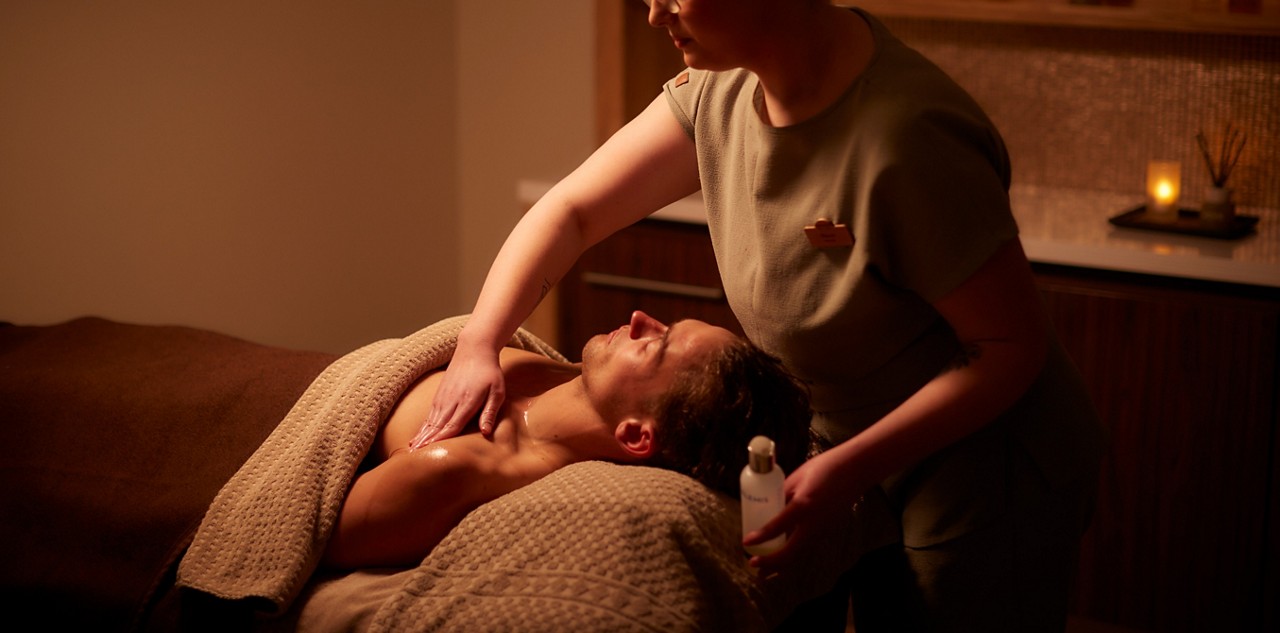
Modern life can leave your body feeling tired, tense, and overwhelmed. Long working hours, daily commuting, physical activity, and everyday stress can contribute to muscle tightness and fatigue. A full body massage in Boston offers a relaxing way to unwind, ease muscle tension, and make time for personal wellness. Whether you want to relax after a busy week or relieve tight muscles after exercise, choosing the right massage can help you feel refreshed.
Boston offers a variety of massage experiences designed to meet different needs, from gentle relaxation treatments to therapeutic techniques focused on specific areas of discomfort. Understanding the benefits, available massage styles, and what to expect during an appointment can help you choose a treatment that suits your lifestyle.
What Is a Full Body Massage?
A full body massage is a hands-on treatment that typically focuses on major muscle groups throughout the body. Depending on the massage style and your preferences, a session may include the back, shoulders, neck, arms, hands, legs, and feet. Some treatments also include the scalp or other areas, depending on the therapist’s approach and your comfort level.

Massage therapists use techniques such as kneading, gliding strokes, gentle pressure, and targeted muscle work to promote relaxation and reduce feelings of tension. The pressure and pace can be adjusted according to your needs.
A full body massage is not necessarily the same for everyone. Someone seeking stress relief may prefer gentle, flowing movements, while someone experiencing muscle tightness may benefit from a more focused therapeutic approach.
Benefits of Full Body Massage in Boston
Booking a full body massage can be a valuable part of a personal wellness routine. Although individual results vary, massage may offer several physical and mental benefits.
1. Helps Reduce Everyday Stress
Stress can affect both mental well-being and physical comfort. Many people experience tight shoulders, a stiff neck, or general muscle tension when dealing with demanding schedules.
A relaxing massage provides a quiet environment where you can step away from daily responsibilities. Slow, rhythmic movements may help calm the nervous system and encourage a sense of relaxation. Taking regular time for yourself can also support healthier stress-management habits.
2. Relieves Muscle Tension
Spending hours at a desk, driving through traffic, or performing repetitive tasks can contribute to tight muscles. Massage techniques can help ease the sensation of stiffness and improve short-term comfort.
During a full body massage, the therapist may pay particular attention to areas such as the upper back, shoulders, lower back, and legs. You can communicate which areas feel tense so the session can be adjusted to your preferences.
Massage should feel comfortable rather than painful. If pressure becomes uncomfortable, let your therapist know immediately.
3. Supports Relaxation and Better Sleep
Difficulty unwinding at the end of the day can make it harder to establish a consistent sleep routine. A calming massage may help some people relax physically and mentally before bedtime.
Many clients enjoy scheduling a massage after a demanding workweek or as part of an evening wellness routine. While massage is not a treatment for every sleep disorder, its relaxation benefits may support a more restful experience.
4. Promotes a Sense of Physical Comfort
Muscle stiffness and everyday physical demands can leave the body feeling tired. Massage may temporarily reduce discomfort and help some people feel more comfortable during normal daily activities.
For people who exercise regularly, gentle massage may also help with the perception of post-workout soreness. However, massage should not replace appropriate recovery, medical assessment, or rehabilitation when an injury is suspected.
5. Encourages Mind-Body Awareness
A massage session gives you an opportunity to slow down and notice how your body feels. You may become more aware of areas where you regularly hold tension, such as the jaw, neck, shoulders, or lower back.
This awareness can encourage healthier habits, including taking movement breaks, improving workstation ergonomics, stretching appropriately, and making time for relaxation.
Popular Types of Full Body Massage
Not every massage uses the same techniques. The best option depends on your comfort level, wellness goals, and preferred pressure.
Swedish Massage
Swedish massage is a popular choice for people seeking relaxation. It typically involves long, flowing strokes, gentle kneading, and varying levels of pressure.
This style may be suitable for first-time massage clients or anyone who wants to unwind without intensive muscle work. The therapist can adjust the pressure to ensure the experience remains comfortable.
Deep Tissue Massage
Deep tissue massage uses slower strokes and more focused pressure to address areas of persistent muscle tension. It may be appropriate for some people with ongoing muscular tightness, depending on their health and individual needs.
Despite its name, deep tissue massage should not require you to tolerate severe pain. Discuss your preferences with the therapist before the session begins.
Therapeutic Massage
Therapeutic massage focuses on your particular areas of discomfort or physical tension. A therapist may adapt the session based on your daily activities, movement patterns, and stated goals.
For example, an office worker might request extra attention to the neck and shoulders, while someone who spends considerable time standing may prefer more attention to the legs and feet.
Aromatherapy Massage
Aromatherapy massage combines massage techniques with selected essential oils. Depending on the products used, the scents may contribute to a calming atmosphere and enhance the overall relaxation experience.
If you have sensitive skin, allergies, asthma, or scent sensitivities, inform the therapist beforehand. Essential oils should be appropriately diluted, and fragrance-free options may be preferable for some clients.
What to Expect During a Full Body Massage Session
Knowing what happens during an appointment can make your first experience more comfortable.
Before the massage: Your therapist may ask about your goals, pressure preferences, areas of tension, allergies, and relevant health concerns. This is the time to mention any injuries, recent surgeries, or medical conditions that could affect the treatment.
During the session: You will generally be given a private space to prepare and instructions about where to place your belongings. You can undress only to the level you find comfortable. Professional massage therapists use appropriate draping to cover areas not being treated.
The therapist will work through the agreed-upon areas using techniques suited to your needs. You can request adjustments to the pressure, temperature, positioning, or music at any time.
After the massage: Take a moment to sit up slowly and notice how you feel. Drinking water according to your normal hydration needs and allowing yourself time to relax may help you transition back into your day. If you experience unusual or persistent pain, seek appropriate medical advice.
How to Choose the Right Massage Spa in Boston
With different massage styles and wellness providers available, selecting the right spa involves more than comparing prices.
Check Therapist Qualifications
Look for a properly licensed massage therapist in Massachusetts. Professional training, relevant credentials, and clear communication about treatment methods are important indicators of a responsible provider.
Review Services and Customization Options
Choose a provider that offers the type of massage you need. Some clients prefer a relaxing Swedish massage, while others want a customized session that focuses on specific muscle groups.
Ask whether the therapist can adjust pressure, accommodate your preferences, and explain the techniques before treatment begins.
Consider Cleanliness and Privacy
A professional massage environment should be clean, comfortable, and respectful of personal boundaries. Treatment rooms should provide appropriate privacy, fresh linens, and clear procedures for client comfort.
Compare Session Lengths and Pricing
Full body massage appointments may be available in different durations, such as 60, 75, or 90 minutes. The appropriate length depends on your schedule, budget, and treatment goals.
A longer appointment may allow more time for focused work, but a shorter session can still provide a relaxing experience. Confirm the total price, any additional charges, and cancellation policies before booking.
Read Recent Client Reviews
Reviews can offer insight into a spa’s professionalism, communication, atmosphere, and overall service quality. Look for consistent feedback rather than relying on a single review, and verify current service details directly with the provider.
Who Can Benefit From a Full Body Massage?
A full body massage may suit adults who want to relax, manage everyday muscle tension, or make wellness a more consistent part of their routine.
It may be particularly appealing to:
- Office workers who spend long hours sitting at a desk.
- Professionals managing demanding schedules and everyday stress.
- Active individuals experiencing ordinary muscle tightness after exercise.
- People who want a relaxing break from their usual responsibilities.
- Individuals looking for a personalized wellness experience.
Massage is not appropriate in every situation. Consult a healthcare professional before booking if you have a recent injury, a history of blood clots, an active infection, significant unexplained pain, or another condition that may affect the safety of massage. Certain techniques may need to be avoided or modified during pregnancy or after surgery.
How Often Should You Get a Full Body Massage?
There is no single schedule that works for everyone. Some people book a massage occasionally when they feel stressed, while others prefer regular sessions as part of their wellness routine.
Your ideal frequency depends on your goals, budget, response to treatment, and overall health. If you are receiving massage for a specific muscular concern, a qualified therapist can discuss a reasonable approach based on your needs. Persistent pain should be assessed by a healthcare professional rather than managed with massage alone.
You can also support your well-being between appointments by taking regular movement breaks, maintaining comfortable posture, getting adequate sleep, and participating in physical activity appropriate for your abilities.
Make Time for Relaxation With a Full Body Massage in Boston
Taking care of your body is an important part of maintaining a balanced lifestyle. A full body massage in Boston can provide an opportunity to relax, address everyday muscle tension, and step away from the demands of work and daily responsibilities.
Whether you prefer a gentle Swedish massage, a customized therapeutic session, or an aromatherapy experience, choosing a qualified therapist and communicating your preferences can help you get more from your appointment.
Before booking, review the spa’s services, qualifications, prices, and client feedback. With the right approach, a massage can become a comfortable and enjoyable addition to your personal wellness routine.
Frequently Asked Questions
1. How long does a full body massage in Boston take?
Most full body massage appointments last around 60 to 90 minutes, although shorter and longer options may be available. The exact duration depends on the provider and the areas you want addressed.
2. What should I wear to a full body massage?
Wear comfortable clothing when arriving at the spa. During treatment, you can undress to your preferred comfort level. A professional therapist will explain the process and use appropriate draping to protect your privacy.
3. Is a full body massage painful?
A relaxation massage should generally feel comfortable. Some targeted techniques may create temporary pressure or mild discomfort, but severe pain is not necessary for an effective session. Always tell your therapist if the pressure is too intense.
4. Is Swedish or deep tissue massage better?
Swedish massage is generally suited to relaxation, while deep tissue massage focuses on more persistent areas of muscular tension. The best choice depends on your goals, comfort level, and health considerations.
5. Can I book a full body massage after a workout?
You may be able to book a gentle massage after exercise, depending on your recovery needs. Avoid aggressive massage over an acute injury or severely painful muscles, and seek medical guidance when symptoms suggest an injury.

6. How do I find a reputable full body massage spa in Boston?
Research local providers, verify Massachusetts massage therapist licensing, review recent client feedback, and compare treatment options and prices. Contact the spa beforehand if you have particular preferences or health-related questions.