Marble countertops and bathroom surfaces look elegant, but they take more daily abuse than floors. Toothpaste, perfume, shampoo, lemon wedges, wine glasses, and hot hair tools all land on them. In Atlanta’s humid climate, bathroom marble also deals with constant moisture. This guide covers how to care for marble in kitchens and baths, what to avoid, and when it makes sense to bring in marble cleaning services.
Why Kitchens and Bathrooms Are Hard on Marble
Floors mostly suffer from grit and traffic. Countertops, vanities, and shower walls suffer from chemistry.
Marble is mostly calcite, which reacts to acids. Many everyday items are acidic: citrus, tomato sauce, vinegar, wine, soda, and many cosmetics. Even a short contact can leave a dull etch mark in a polished surface. Marble is also porous, so oils, coffee, and colored liquids can soak in and leave stains.

Add Atlanta’s humidity, and bathrooms stay damp for long stretches. Soap scum, mineral deposits from hard water, and mildew all show up faster on stone that is not sealed or dried regularly.
Kitchen Countertops
The Most Common Problems
- Etch rings from glasses, bottles, and lemon or lime
- Oil stains near the stove and cooking area
- Dark rings from wet pots, plant containers, or coffee mugs
- Scratches and knife marks from cutting directly on the stone
- Heat marks from hot pans, which can discolor or crack some marble
Daily Care
- Wipe the surface with a soft cloth and warm water after cooking.
- Use a pH-neutral stone cleaner for weekly cleaning.
- Blot spills. Do not rub or spread them.
- Use cutting boards, trivets, and coasters every time.
- Dry the surface after cleaning to prevent water spots.
The Water Test
To check your sealer, place a few drops of water on the stone and wait about 15 minutes. If the water beads, the sealer is working. If the stone darkens, liquid is soaking in and it is time to reseal. Check high-use areas near the sink and stove separately, since they wear out the sealer first.
Bathroom Vanities and Shower Walls
What Goes Wrong
Soap scum and film. Soap and hard water leave a cloudy layer that dulls the polish. Scrubbing harder usually makes it worse.
Hard water deposits. White, chalky buildup around faucets and drains. Acidic descalers remove it but also damage the marble, so they are not safe to use.
Mildew and dark spots. Common in showers with poor airflow, especially in grout lines and corners.
Product damage. Perfume, nail polish remover, hair dye, and some toothpastes can etch or stain vanity tops quickly.
Daily Care
- Squeegee or wipe shower walls after use.
- Run the exhaust fan during and after showers for at least 20 minutes.
- Keep bottles and cosmetics on a tray so they do not sit directly on the stone.
- Rinse soap off surfaces rather than letting it dry.
- Clean weekly with a stone-safe product, never a general bathroom cleaner.
Products to Avoid
Many labels claim they are safe for “all surfaces.” Marble is the exception to many of those claims. Skip:
- Vinegar and lemon-based cleaners
- Bleach and ammonia
- Bathroom tile and tub cleaners
- Scouring powders and abrasive pads
- Rust and lime removers not labeled for natural stone
- Glass cleaners with acid or ammonia on polished marble
When in doubt, plain warm water and a soft cloth are safer than a cleaner with an unclear label.
Which Fixes Are Safe to Try Yourself
Some small problems respond well to gentle home care:
- Light surface stains: a poultice of baking soda and water, applied and left to dry, then removed and rinsed
- Minor soap film: repeated cleaning with a pH-neutral stone product, followed by a clean water rinse
- Very small etch marks: a marble polishing powder made for stone, applied by hand with a damp cloth
Always test in a hidden spot first. If the problem spreads, deepens, or does not improve after two attempts, stop. Repeated DIY attempts can turn a small repair into a costly one.
When to Call a Professional
Consider marble cleaning services when you notice:
- Etching across a large area of the counter or vanity
- Stains that return after cleaning
- Water that soaks in immediately, showing that the sealer has failed
- Discoloration in shower walls that does not respond to gentle cleaning
- Cracks, chips, or damaged edges
- Mildew deeply embedded in grout joints
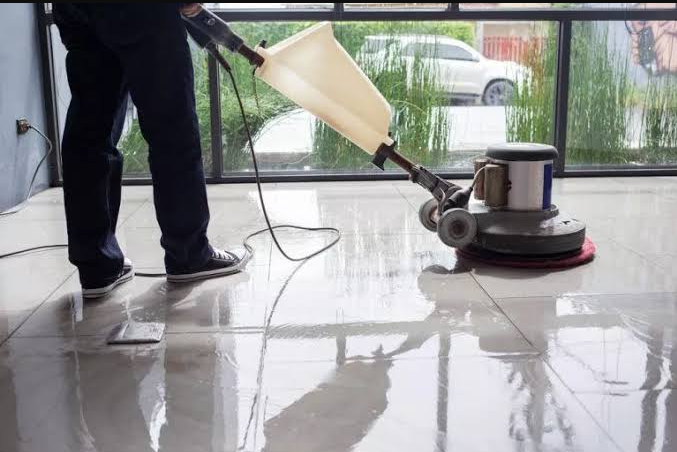
Professionals can hone and repolish countertops on site, treat deep stains, clean and reseal grout, and apply a fresh sealer. In many cases, a counter that looks beyond saving can be refinished in a single visit.
What a Professional Visit Looks Like
A reliable company typically follows this order:
- Inspection of the stone, sealer condition, and any cracks or loose areas
- Testing in a small hidden spot to choose the right products
- Cleaning with stone-safe cleaners
- Stain treatment using poultices or targeted treatments
- Honing and polishing where etching is present
- Resealing with a penetrating sealer
- Care instructions tailored to your stone and how you use the room
On a kitchen job, ask how they will protect cabinets, appliances, and backsplashes from dust and slurry. In a bathroom, ask how they handle drainage and ventilation during the work.
Choosing a Provider in Atlanta
A few simple checks help you find the right company:
- Stone experience: Do they work with natural stone daily, or is marble a side service?
- Process clarity: Can they explain what they will do and why?
- Insurance: Ask for proof of current liability coverage.
- References and photos: Request examples of similar kitchen or bathroom jobs.
- Written estimate: It should list the services, areas, and price.
- Warranty or follow-up: A good company stands behind its work.
Be cautious of anyone who promises to make badly damaged marble look new for a very low price, or who recommends a coating instead of proper honing and sealing. Coatings can peel and trap moisture.
How Often to Schedule Service
- Kitchen countertops: inspect the sealer yearly and reseal as needed
- Bathroom vanities and showers: professional cleaning and sealer check every 6 to 12 months
- Heavily used or rental properties: more frequent checks, depending on wear
These are general guidelines. Your stone type, finish, and habits matter more than a fixed calendar.

Final Thoughts
Marble in kitchens and baths asks for a little attention but rewards it for decades. Wipe spills quickly, use stone-safe products, keep the surface sealed and dry, and handle small problems before they spread. When the damage is beyond a simple home fix, a qualified specialist can restore the surface and extend its life.