Introduction: Make Your Chicago Storefront Stand Out in The Loop
In downtown Chicago, a storefront has only a few moments to capture the attention of pedestrians, commuters, office workers, and visitors. Along busy streets in The Loop, where restaurants, retail shops, professional offices, and entertainment destinations compete for visibility, effective exterior signage helps customers recognize a business and find its entrance.
Windy City Signs and Graphics understands the importance of business signage in Chicago’s competitive commercial environment. For retailers, restaurants, and street-level businesses in The Loop, channel letter signs offer a three-dimensional, highly visible way to display a company name, logo, or brand identity directly on a building facade.
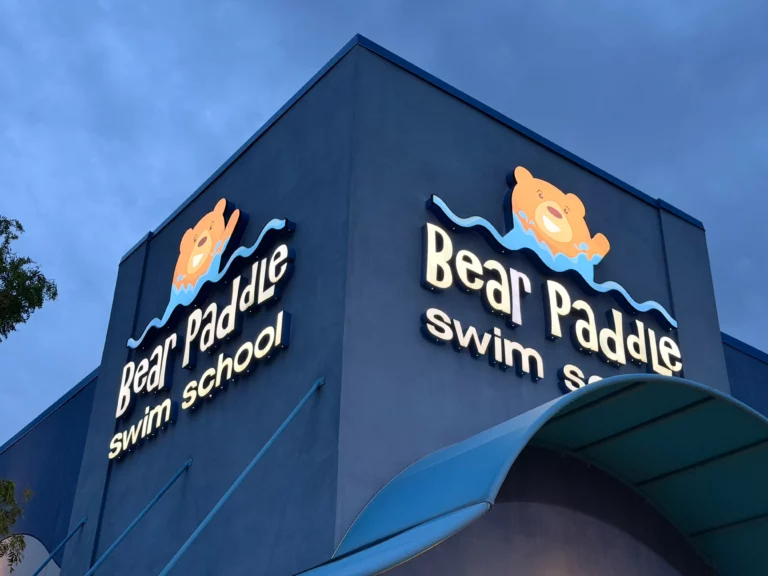
Channel letter signs are individually fabricated, three-dimensional letters that can be illuminated or non-illuminated. Their dimensional appearance helps distinguish business names from flat graphics, while lighting options can improve visibility during evening business hours and Chicago’s shorter winter days.

Whether a business operates near State Street, the Chicago Theatre, the Chicago Riverwalk, or the office corridors surrounding LaSalle Street, selecting the right sign requires careful attention to storefront architecture, viewing distance, lighting, pedestrian traffic, and local regulations.
This guide explains how channel letter signs work, which designs suit different businesses, how they compare with alternative signage formats, and what Chicago business owners should consider before starting a storefront signage project.
What Are Channel Letter Signs?
Channel letter signs are custom-made, three-dimensional letters or shapes commonly installed on exterior building facades, storefronts, and commercial entrances. Each letter typically has a formed metal or durable fabricated body, a return or sidewall, and a face that may be illuminated depending on the sign design.
Unlike flat vinyl lettering or printed panels, channel letters create physical depth and can give a storefront a more distinctive architectural appearance.
Common channel letter sign options include:
- Front-lit channel letters: Light passes through the front face of each letter, making the business name easy to recognize after dark.
- Reverse-lit channel letters: Light projects behind the letters onto the mounting surface, producing a halo effect.
- Front-and-halo-lit letters: Both the letter faces and the surrounding wall receive illumination, creating a layered appearance.
- Non-illuminated channel letters: Dimensional letters provide depth and visual definition without integrated lighting.
The appropriate design depends on the brand identity, facade material, available mounting space, nighttime visibility requirements, and property restrictions.
For businesses seeking Channel Letter Signs in Chicago, the objective is not simply to install illuminated lettering. It is to create a sign that communicates the business name clearly, complements the building, and remains effective within the surrounding streetscape.
Why Channel Letter Signs Work Well in Chicago’s Loop
The Loop is one of Chicago’s central business districts, combining office buildings, retail storefronts, restaurants, cultural attractions, transit connections, and pedestrian activity. Businesses in this environment often serve several customer groups throughout the day, from employees seeking lunch to visitors exploring downtown attractions.
This variety makes storefront identification particularly important.
1. Stronger Storefront Recognition
Individual letters give a business name a dimensional appearance that can stand apart from flat graphics and temporary promotional displays. A well-proportioned sign can help customers identify a storefront while walking along State Street or approaching a restaurant entrance from a nearby intersection.
For street-level businesses, the sign should communicate the brand name without overwhelming the facade. Letter height, spacing, contrast, and mounting position all influence readability.
2. Visibility During Evening Hours
Restaurants, bars, convenience retailers, entertainment businesses, and other establishments may serve customers after sunset. Illuminated channel letters can maintain a recognizable storefront presence when natural light decreases.
Front-lit letters generally emphasize direct readability, while reverse-lit letters can create a more understated architectural effect. The best choice depends on the business’s desired appearance and the amount of ambient light surrounding the building.
3. A Professional Brand Presentation
The Loop includes historic buildings, contemporary office towers, renovated commercial properties, and mixed-use developments. A channel letter sign can be customized to complement different architectural styles through letter shapes, finishes, illumination, and mounting methods.
A restaurant seeking a contemporary identity may prefer clean, front-lit lettering. A boutique or hospitality business may favor reverse-lit letters that create a softer halo against the facade. In either case, the design should support the brand rather than compete with the building.
4. Consistent Identification Across Locations
Businesses with multiple Chicago locations can use consistent lettering, colors, proportions, and lighting to maintain brand recognition. While individual signs may need to accommodate different building conditions, a consistent design standard helps customers recognize the same business across neighborhoods.
Choosing the Right Channel Letter Sign for a Loop Business
Different businesses have different signage priorities. A restaurant needs to be recognizable to diners, while a retail shop may emphasize brand presentation and a service business may prioritize straightforward identification.
Front-Lit Channel Letters for Retail Storefronts
Front-lit channel letters are a practical choice for retailers that want their business name to remain clear in changing light conditions. Illuminated faces can create strong contrast against a darker storefront or building exterior.
For retail businesses near State Street, the design should account for pedestrians approaching from both directions, nearby storefronts, window displays, awnings, and other visual distractions. Simple lettering and a recognizable logo often communicate more effectively than excessive decorative elements.
Reverse-Lit Channel Letters for Restaurants and Hospitality Businesses
Reverse-lit channel letters produce illumination behind each letter, creating a halo around the lettering. This style can suit restaurants, cafes, hotels, and hospitality businesses looking for a refined storefront appearance.
The final effect depends on the mounting surface, spacing between the letters and wall, illumination intensity, and ambient lighting. A suitable background is essential because the halo effect is most visible when light can reflect evenly around the lettering.
Custom Channel Letters for Distinctive Brand Identities
Custom channel letters can incorporate distinctive fonts, brand colors, logo elements, and letter proportions. They are useful for businesses whose visual identity is central to the customer experience.
For example, a specialty retailer near the Chicago Theatre may prefer a recognizable logo with dimensional lettering, while a modern restaurant along a downtown commercial corridor may use clean typography and restrained illumination.
Before selecting a design, business owners should confirm that the proposed lettering can be fabricated, mounted, illuminated, and maintained appropriately for the building.
Channel Letter Signs vs. Other Storefront Signage
Channel letters are not the only option for commercial identification. Comparing sign types helps businesses select the right solution for their storefront and budget.
| Sign type | Main advantages | Common applications |
|---|---|---|
| Channel letter signs | Three-dimensional appearance; optional illumination; customizable lettering | Retail stores, restaurants, street-level businesses |
| Flat panel signs | Simple, economical presentation; broad design flexibility | Small storefronts, service businesses, directories |
| Dimensional non-illuminated letters | Physical depth without integrated lighting | Professional offices, interior branding, selected exterior facades |
| Lightbox signs | Illuminated graphics or lettering within a cabinet | Retail storefronts, restaurants, commercial entrances |
| Window graphics | Uses existing glass for branding and promotional information | Storefront windows, doors, seasonal promotions |
The key difference is how the sign communicates. Channel letters emphasize individual three-dimensional characters. Flat panels present information on a single surface, while window graphics use glass as the display area.
A restaurant in The Loop might combine channel letters above its entrance with window graphics displaying business hours and a menu. A retail store could use dimensional lettering alongside carefully designed window displays. Combining formats can create a more complete storefront identification system when each element has a clear purpose.
Cost comparisons should consider more than the initial sign price. Fabrication complexity, electrical work, mounting conditions, permits, access equipment, maintenance, and future repairs can all affect the total project cost.
Design Considerations for Chicago’s Commercial Buildings
Designing Channel Letter Signs in Chicago requires more than choosing a font and color. The building’s exterior, sidewalk conditions, neighboring businesses, and applicable sign regulations all influence the final result.
Building Materials and Mounting
Channel letters can be mounted directly to a facade or installed on a raceway, a structure that groups the letters and helps accommodate electrical connections. Direct mounting can create a clean, integrated appearance, while a raceway may simplify installation and servicing in suitable applications.
Brick, stone, glass, metal panels, and other facade materials require different mounting considerations. Older buildings in The Loop may also have architectural features that limit mounting locations or require additional coordination with property management.
Lighting and Energy Efficiency
LED illumination is commonly used in modern channel letter signs because it provides efficient lighting and supports a range of colors and effects. Selecting appropriate components, ensuring proper installation, and planning for maintenance can help keep the sign operating consistently.
For businesses operating late into the evening, lighting should support readability without creating unnecessary glare or excessive brightness.
Chicago Weather and Long-Term Performance
Chicago’s climate includes freezing winter temperatures, snow, rain, summer heat, and repeated freeze-thaw cycles. Exterior signs should use suitable materials, weather-resistant electrical components, secure mounting hardware, and finishes intended for outdoor exposure.
Routine inspections can help identify loose components, damaged letter faces, water intrusion, and illumination problems before they become more substantial maintenance issues.
Permits and Signage Requirements in The Loop
Before installing Channel Letter Signs in Chicago, business owners should confirm the applicable sign regulations. Requirements can vary according to the property’s zoning, sign dimensions, illumination, mounting location, and proximity to designated sign districts.
Certain downtown corridors, including portions of State Street, Wabash Avenue, and Michigan Avenue, have additional signage considerations intended to preserve the area’s architectural character and pedestrian environment.
Depending on the project, approvals may involve the City of Chicago, the building owner, a landlord, or a property management team. Signs that extend over public property can also trigger additional requirements.
A practical planning checklist includes:
- Confirm the proposed sign’s dimensions, placement, and illumination.
- Review the lease and any building-specific signage criteria.
- Check whether the property is within a designated special sign district.
- Determine which permits and approvals are required before installation.
- Coordinate electrical work and mounting requirements where applicable.
Windy City Signs and Graphics can be contacted to discuss a proposed storefront sign and the project requirements that need to be addressed. Permit responsibilities and available project services should be confirmed before work begins.
How Windy City Signs and Graphics Supports Chicago Storefront Branding
For businesses planning a new storefront sign, Windy City Signs and Graphics is a Chicago-based sign company that offers commercial signage solutions, including channel letter signage and other exterior sign formats.
A successful sign project begins with understanding the business, the property, and the customers who need to recognize it. A restaurant may prioritize nighttime visibility, a retailer may want dimensional lettering that reinforces its brand identity, and a street-level service business may need a simple, highly readable business name.
When preparing for a channel letter sign consultation, businesses can provide:
- The property address and storefront photographs.
- Brand logos, colors, and approved typography.
- Approximate sign dimensions or available mounting space.
- Preferred illumination style and operating hours.
- Lease requirements or known property signage restrictions.
- Any existing permits, architectural drawings, or installation constraints.
These details can help establish a clearer project scope and identify potential design or installation challenges early.
For retailers and restaurants in The Loop, the goal is to create signage that fits the building, communicates the business identity, and remains effective throughout Chicago’s changing seasons. A carefully planned sign can become an integral part of the storefront rather than simply another element competing for attention.
Conclusion
Channel letter signs provide Chicago businesses with a versatile way to create distinctive, three-dimensional storefront identification. For retailers, restaurants, and street-level businesses in The Loop, the right combination of lettering, illumination, materials, and placement can support brand recognition during both daytime and evening hours.
Choosing between front-lit, reverse-lit, and non-illuminated letters depends on the business’s goals, building design, visibility conditions, and budget. Comparing channel letters with flat panels, lightboxes, and window graphics can also help property owners develop a more effective signage plan.
For businesses exploring Channel Letters Signs in Chicago, Windy City Signs and Graphics is a relevant company to contact when discussing commercial storefront signage requirements. By addressing design, building conditions, durability, and permitting early, businesses can work toward a sign that complements The Loop’s distinctive streetscape and supports their long-term commercial identity.
Frequently Asked Questions
1. What are channel letter signs?
Channel letter signs are three-dimensional letters or logos fabricated individually and installed on a building facade or mounting structure. They may be illuminated from the front, illuminated from behind, or manufactured without lighting.
2. Are channel letter signs suitable for retail storefronts in The Loop?
Yes. Channel letter signs can help retail stores establish a recognizable storefront presence along busy downtown streets. The design should account for pedestrian viewing distances, neighboring businesses, facade materials, and applicable signage regulations.
3. Which channel letter style is best for Chicago restaurants?
Front-lit letters are useful when direct readability is the priority, while reverse-lit letters can create a more subtle halo effect. Restaurants should consider their brand identity, evening operating hours, surrounding light levels, and building design before choosing a style.
4. How do channel letter signs differ from lightbox signs?
Channel letter signs use individually fabricated three-dimensional characters, whereas a lightbox typically illuminates a larger enclosed sign face. Channel letters emphasize dimensional lettering, while lightboxes can accommodate broader graphics or more compact layouts.
5. Are LED channel letter signs energy-efficient?
LED channel letters are commonly selected for their lighting efficiency and design flexibility. Actual energy consumption depends on the sign’s size, number of illuminated letters, LED components, brightness settings, and daily operating hours.
6. Do channel letter signs require permits in Chicago?
Many permanent exterior signs require approval under applicable Chicago regulations. Requirements depend on the sign and property, and additional restrictions may apply in designated downtown sign districts. Businesses should verify the applicable requirements before installation.
7. Can channel letter signs be installed on older buildings?
Potentially, yes. Installation depends on the facade’s condition, mounting options, architectural restrictions, and property approvals. Older masonry and historic architectural details may require specialized mounting methods or additional review.
8. How should channel letter signs be maintained in Chicago?
Periodic inspections should check the letter faces, mounting hardware, electrical connections, illumination, and signs of moisture intrusion. Maintenance needs vary with materials, exposure, installation quality, and the sign’s operating conditions.
9. Can channel letter signs match existing brand guidelines?
Yes. Channel letters can be customized to reflect approved brand colors, typography, logos, and proportions, subject to fabrication and installation constraints. Consistent design specifications can help businesses maintain a recognizable identity across multiple locations.

10. Where can Chicago businesses discuss channel letter signage?
Businesses can contact Windy City Signs and Graphics to discuss their storefront signage needs, design preferences, and project requirements. Providing the property address, storefront photographs, brand assets, and approximate sign dimensions can help make the initial consultation more productive.