A beautiful outdoor space does not always need expensive furniture, fancy landscaping, or a complete garden makeover. Sometimes, one well-chosen feature can change the whole atmosphere. And a water fountain is a good example of that.
The gentle sound of flowing water, the movement of water over stone, and the way sunlight reflects across the surface can make an ordinary garden feel much more inviting. It gives people a reason to slow down for a moment. No big changes required.
But here is the thing. Not every outdoor space is the same, so why should every fountain look the same? This is where custom fountains make a real difference. They allow homeowners, businesses, and landscape designers to choose a water feature that suits the space instead of trying to fit a standard design into it.

Whether you have a large backyard, a small patio, a hotel entrance, or a commercial courtyard, the right fountain can bring the entire setting together.
Why Custom Fountains Are Worth Considering
Walk through a few gardens or commercial properties, and you will probably notice something. Many water features look similar. They might be attractive, but they don’t always feel connected to the place where they stand.
Custom fountains offer another approach. Instead of choosing from a limited selection of ready-made designs, you can work toward a fountain that matches your vision, available space, and practical needs.
For example, a traditional home might look better with a classic tiered fountain. A modern property could benefit from clean lines, simple shapes, and a more minimal water display. Meanwhile, a resort or business entrance might need something larger that catches attention from a distance.
The design possibilities are broad, which is part of the appeal.
You can consider different materials, heights, finishes, water patterns, and lighting options. Even small design decisions can affect the final appearance. The goal isn’t to make the fountain as complicated as possible. It’s to make it feel right for its surroundings.
Choosing the Right Fountain for Your Space
Before choosing a design, take a good look at the area where the fountain will go. It sounds obvious, but people sometimes fall in love with a fountain they have seen somewhere else without considering whether it will work in their own property.
A large fountain may look impressive in a hotel courtyard but feel overwhelming in a compact backyard. On the other hand, a tiny water feature might disappear in a spacious commercial landscape.
Custom fountains give you more flexibility with size and layout, helping you find a better balance between the water feature and the surrounding environment.
For a small garden, a wall fountain or a compact bubbling feature may be enough. These designs add movement and sound without taking up too much room.
Larger properties have more options. A central fountain can create a focal point, while a long reflecting pool with moving water can add a more contemporary feel. In some spaces, a simple stone fountain works better than a complicated structure.
Think about how people will use the area, too. Is it somewhere to sit and relax? A place where visitors arrive? Or a landscaped space that needs a distinctive visual feature?
Your answers will help guide the design.
Different Types of Fountains to Explore
There isn’t one fountain style that works for everyone. Some designs are meant to stand out, while others quietly improve the atmosphere without demanding too much attention.
Tiered Fountains
Tiered fountains have a classic appearance and are often used in formal gardens, courtyards, and traditional landscapes. Water moves from one level to another, creating a familiar cascading effect.
They can become a central feature in a garden, especially when surrounded by flowers, trimmed greenery, or stone pathways.
Wall Fountains
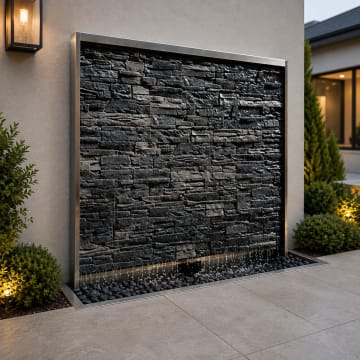
Wall fountains are useful when floor space is limited. Instead of placing a large structure in the middle of an area, the water feature becomes part of a wall or vertical surface.
They can work well in patios, entrance areas, courtyards, and smaller outdoor spaces. Their appearance can range from traditional carved stone to sleek, contemporary designs.
Modern Fountains
Modern fountains usually focus on shape, materials, and simplicity. Think geometric structures, smooth finishes, clean edges, and carefully controlled water movement.
These designs are often a good match for contemporary homes, office buildings, and commercial landscapes.
Pond and Pool Fountains
Some fountains are designed to work with a pond or reflecting pool. They can add movement to still water and make a large outdoor setting feel more alive.
Depending on the design, the effect can be subtle or dramatic. The important thing is to choose a water pattern that suits the size of the pool and the surrounding space.
With custom designs, you don’t necessarily have to stick to one category. Different elements can be combined to create something more personal.
Materials Matter More Than You Might Think
The material used for a fountain affects its appearance, durability, maintenance requirements, and overall feel.
Stone is a popular choice for its natural texture and timeless appearance. It often blends beautifully with gardens and traditional architecture. Cast stone can also offer a classic look, depending on the finish and construction.
Concrete provides considerable design flexibility. It can be shaped into different forms and finished in ways that suit both traditional and contemporary spaces.
Metal fountains, including designs made with stainless steel, can create a cleaner and more modern appearance. Their reflective surfaces can interact nicely with natural light, though the material and finish should be chosen with the local climate in mind.
Ceramic and other decorative materials can also work well for smaller water features.
There is no single best material for every project. Consider the weather, placement, budget, and amount of maintenance you’re comfortable handling. A fountain that looks wonderful in a showroom should also be practical once it’s installed outdoors.
How Fountains Change the Atmosphere of a Garden
A fountain adds more than visual interest. It introduces sound and movement, two things that can make an outdoor area feel noticeably different.
The sound of flowing water can help soften some everyday background noise. It won’t eliminate traffic or other loud sounds, of course, but the right water pattern can make a space feel calmer.
Water also creates changing reflections and highlights throughout the day. A fountain that looks simple in the morning might appear completely different when the afternoon sun hits its surface.
At night, suitable lighting can make the water feature stand out without turning the entire garden into a brightly lit display.
This is why fountains are often used in seating areas, garden retreats, hotel courtyards, and other places where atmosphere matters. They provide a visual focus, but they also make the surrounding space feel more engaging.
The effect depends on the design. A powerful jet creates a very different mood from a gentle stream flowing over natural stone. Neither is automatically better. It comes down to what you want the space to feel like.
Custom Fountains for Homes and Commercial Properties
Homeowners often choose fountains to improve a garden, create a welcoming entrance, or add character to a patio. A carefully selected design can make an outdoor area feel more complete without requiring a full landscape renovation.
For businesses, the reasons can be slightly different.
Hotels may use fountains to create an impressive arrival experience. Restaurants can incorporate them into outdoor dining areas, while offices and commercial buildings may use water features to give their entrances a more distinctive appearance.
In public spaces, fountains can also become landmarks that help define the surrounding landscape.
However, commercial projects need additional planning. Water circulation, access for maintenance, safety, and the expected number of visitors should all be considered before installation.
A fountain should look good, but it also needs to function properly. That part matters just as much as the design.
Planning Your Fountain Installation
A little planning at the beginning can prevent unnecessary expenses later.
Start by deciding where the fountain will sit and how much room is available. Check the ground conditions, access to electricity if a pump requires it, drainage arrangements, and the location of the water supply.
Some fountains use recirculating systems, meaning the same water is circulated through the feature rather than constantly requiring a fresh supply. These systems can be practical, although water still needs to be replenished as it evaporates or splashes out.
Consider the pump and filtration requirements as well. A pump that is too small may not create the intended water effect, while an unsuitable or oversized setup can waste energy and cause unnecessary splashing.
It is also sensible to plan for maintenance access. Pumps, filters, and other components may need occasional cleaning, inspection, or replacement.
If your project involves a large fountain or complex installation, professional guidance can help you avoid costly mistakes. Discuss your preferred appearance, available budget, and maintenance expectations before finalizing the design.
Keeping Your Fountain Looking Its Best
Even a well-designed fountain needs regular attention. The good news is that maintenance doesn’t always have to be complicated.
Remove leaves and other debris before they collect in the basin. Check the water level regularly, especially during hot weather when evaporation can happen quickly. If the pump runs without enough water, it may become damaged.
Clean the basin and inspect the pump according to the manufacturer’s recommendations. Depending on the water conditions and fountain materials, you may also need to manage mineral deposits, algae, or other buildup.
If the fountain is installed in an area with freezing winters, follow the appropriate seasonal care instructions. In warmer climates, heat and evaporation may be the bigger concerns.
A simple maintenance routine helps protect the equipment and keeps the water feature looking attractive.
The idea is to enjoy your fountain, not spend every weekend fixing it.
Find a Fountain That Fits Your Vision
The best water feature isn’t necessarily the biggest or most expensive one. It’s the one that makes sense for your property, matches your style, and delivers the atmosphere you’re looking for.
Custom fountains offer the freedom to think beyond standard designs and create something that feels connected to your space. From a quiet garden corner to an impressive commercial entrance, the right fountain can bring together architecture, landscaping, and the natural appeal of moving water.
If you’re exploring ideas for your next project, take time to compare designs, consider your space, and think about long-term care before making a decision.
Visit Fountains.com to explore fountain options and find inspiration for your home, garden, or commercial property. Your outdoor space doesn’t need to be completely redesigned to feel special. Sometimes, the right fountain is the detail that makes everything come together.
Frequently Asked Questions
1. What are custom fountains?
Custom fountains are water features designed or adapted to suit specific spaces, styles, and project requirements. They can vary in size, shape, material, finish, and water pattern, making them suitable for residential gardens, patios, hotels, and commercial properties.
2. Are custom fountains suitable for small gardens?
Yes. A custom fountain can be designed around the available space. Wall-mounted fountains, compact bubbling features, and smaller standalone designs can add visual interest without taking over a small garden.
3. How much maintenance do fountains require?
Maintenance depends on the fountain’s size, materials, water circulation system, and surrounding environment. Regularly checking water levels, removing debris, cleaning the basin, and inspecting the pump are common tasks. Larger installations may require more attention.

4. How do I choose the right fountain for my property?
Start with the available space, your preferred style, and your budget. Consider whether you want a subtle water feature or a dramatic centerpiece. Also check installation requirements, material durability, water circulation, and ongoing maintenance before settling on a design.