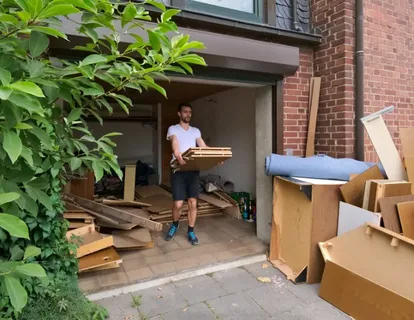
Settling an estate often involves more than clearing a house. Families may need to sort personal belongings, identify important documents, preserve sentimental items, and prepare the property for sale, rental, or transfer. Warrior Property Solutions helps property owners understand the practical work involved in clearing residential spaces. For families managing these responsibilities, estate cleanouts in Wichita, KS typically involve reviewing belongings, organizing items for different outcomes, removing unwanted materials, and leaving the property in an appropriate condition for its next use.
Key Takeaways
- Estate cleanouts involve sorting, organizing, and removing belongings from a property.
- Families should separate important records, valuables, and sentimental possessions before removal begins.
- Property size, item volume, access, and disposal requirements influence the scope of work.
- A clear plan helps reduce confusion when several relatives or property stakeholders are involved.
What Does an Estate Cleanout Typically Include?
An estate cleanout addresses the belongings and accumulated materials left inside a home, apartment, or other residential property. The work may cover furniture, clothing, kitchenware, household goods, boxes, and general clutter. Depending on the property’s condition and the family’s priorities, the process can also involve clearing garages, basements, attics, storage areas, and outdoor spaces.
The first step is usually an assessment of the property and the items that need attention. Some belongings may be kept by relatives, while others may be suitable for donation, resale, recycling, or disposal. Establishing these categories before removal begins reduces the chance of accidentally discarding something valuable or meaningful.

The reason for clearing the property also matters. A home being prepared for sale may need to be emptied to support cleaning, photography, repairs, or showings. A rental property may need unwanted furniture and accumulated debris removed before maintenance can begin. In other situations, relatives may simply need help managing a large volume of possessions after a loved one’s passing.
Why Planning Matters Before Removing Belongings
Estate cleanouts can become emotionally difficult when family members have different ideas about what should happen to personal possessions. A written plan gives everyone a clear process for deciding which items to keep, distribute, donate, sell, or discard. It also provides a way to resolve questions before workers begin removing materials.
Important documents deserve special attention. Wills, insurance policies, property records, financial statements, identification papers, photographs, and personal correspondence should be reviewed before boxes and furniture are cleared. Families should also check drawers, filing cabinets, containers, and storage areas where valuable items may be overlooked.
Ownership should be confirmed when several relatives, executors, beneficiaries, or property representatives are involved. The person arranging the cleanout should have appropriate authority to approve the removal of belongings. If an estate is subject to legal proceedings or disagreements, unresolved ownership questions should be addressed before anything is donated or discarded.
How Property Size and Condition Affect the Process
The amount of work required depends on more than the home’s square footage. A smaller residence with densely packed rooms may require more sorting and loading than a larger home containing only a few pieces of furniture. Stairs, narrow hallways, limited parking, long carrying distances, and restricted access can also affect the time and labor involved.
Property condition is another consideration. Homes containing heavy furniture, damaged items, renovation debris, or materials that require special handling may need additional preparation. If water damage, mold, pests, or other hazards are present, families should determine whether specialized remediation is necessary before ordinary removal proceeds.
In Wichita, property owners should also consider access around the building and the timing of the work. Weather, driveway conditions, neighborhood parking, and the availability of loading space can affect how materials are moved. Confirming these details in advance helps prevent delays and gives everyone a clearer understanding of the project.
Preparing an Estate for a Cleanout
Preparation can make the work more organized and protect possessions that should remain with the family. Before scheduling removal, relatives should walk through the property, identify restricted areas, and mark items that must not be taken. Separate boxes or clearly labeled containers can help keep personal documents, photographs, jewelry, and other important belongings together.
A practical sorting process usually works best when decisions are made room by room. Families can begin with less personal spaces, such as storage rooms or garages, before moving to bedrooms and areas containing sentimental possessions. This approach creates visible progress without requiring every difficult decision to happen at once.
For families comparing estate clearing services in Wichita, it helps to provide an accurate description of the property, the volume of belongings, and any access limitations. Photographs of crowded rooms, large furniture, or outdoor piles can help communicate the project’s scope. They should also identify items requiring special attention and clarify whether the property needs to be completely emptied or only partially cleared.
Choosing a Suitable Cleanout Provider
Selecting a provider involves more than comparing an initial price. Families should understand what the quoted work includes, which materials can be accepted, how additional loads are handled, and whether labor, transportation, and disposal costs are covered. A clear written estimate can reduce disagreements if the project turns out to be larger than expected.
Communication is equally important. The provider should be able to explain the expected sequence of work, confirm the areas included, and identify any materials that fall outside the ordinary scope of removal. Families should ask how items will be handled and whether reusable materials may be directed toward donation or recycling when suitable options are available.
Property owners seeking estate junk removal in Wichita, KS should also consider scheduling, access, and the deadline for preparing the home. An inherited property being listed for sale may have a different timeline from a house being cleared gradually while relatives sort personal belongings. The right arrangement should reflect the family’s priorities, property condition, and practical constraints rather than relying on a one-size-fits-all schedule.
Common Mistakes That Can Complicate Estate Cleanouts
One frequent mistake is starting removal before important belongings have been identified. Documents, photographs, heirlooms, and small valuables can be difficult to recover once mixed with unwanted materials. A final inspection of drawers, cabinets, closets, and storage containers is worthwhile before anything leaves the property.
Another problem occurs when families underestimate the volume of belongings. Furniture, boxed possessions, garage equipment, and accumulated household goods may occupy more space than expected. Describing the entire property accurately during the initial assessment makes it easier to establish realistic expectations about labor and transportation.
Disposal decisions also deserve care. Some materials may be recyclable, reusable, restricted, or unsuitable for ordinary waste collection. Families should clarify how different items will be handled and avoid assuming that every object can be placed in the same load. This is especially important for chemicals, paint, batteries, electronics, and other materials that may require specific disposal arrangements.
Practical Checks Before the Cleanout Begins
- Secure personal documents, valuables, photographs, and sentimental belongings.
- Confirm who has authority to approve the removal of estate property.
- Identify items for family distribution, donation, resale, recycling, or disposal.
- Discuss property access, special materials, scheduling, and the full scope of work.
- Inspect each room before authorizing the final removal of belongings.
What to Consider Before Making a Decision
The most suitable approach depends on the estate’s circumstances. Families handling a relatively small number of possessions may be able to sort and remove items themselves. A property containing years of accumulated belongings, bulky furniture, or multiple storage areas may require outside assistance to reduce the physical workload and coordinate transportation.
Budget and timing should be considered together. A lower initial estimate may not cover every room, additional loads, heavy-item handling, or special disposal requirements. Asking for a clear explanation of included services helps families compare proposals based on the actual work rather than price alone.
Environmental considerations can also influence decisions. Reusable furniture, clothing, and household goods may be suitable for donation if they meet the receiving organization’s requirements. Certain metals, electronics, and other materials may have recycling options. However, acceptance varies by provider and facility, so families should confirm availability rather than assume every item can be diverted from disposal.
Finally, relatives should consider their emotional capacity and availability. Managing an estate while dealing with a loss, coordinating family schedules, and handling legal or financial responsibilities can become overwhelming. A realistic plan allows family members to protect meaningful possessions while organizing the remaining work in manageable stages.
Frequently Asked Questions
How long does an estate cleanout take?
The timeline depends on the property’s size, the volume of belongings, access conditions, and how much sorting is required. A lightly furnished home may take considerably less time than a property containing crowded rooms, a full garage, and several storage areas. An assessment can help establish a realistic schedule.
What should families remove before the cleanout team arrives?
Families should secure legal documents, financial records, jewelry, photographs, heirlooms, medications, and other personal items. They should also mark belongings that must remain in the home. If ownership or distribution is disputed, those items should be set aside until the appropriate decision-maker provides direction.
Can furniture and household items be donated?
Some furniture, clothing, kitchenware, and household goods may be suitable for donation if they are clean, usable, and accepted by the receiving organization. Families should confirm acceptance requirements and arrange donation separately when necessary. Items that are damaged or unsuitable may require another disposal option.
What affects the cost of an estate cleanout?
Pricing can depend on the quantity and type of belongings, labor requirements, property access, transportation, disposal fees, and the number of loads required. Heavy items, difficult stairs, special handling, and additional areas can also affect the estimate. A detailed assessment helps clarify the expected cost.
Does an estate cleanout include deep cleaning?
Not necessarily. Removing furniture, boxes, and unwanted belongings is different from detailed cleaning, odor treatment, repairs, or hazardous-material remediation. Families should confirm whether cleaning is included or must be arranged separately after the property has been cleared.
Preparing the Property for Its Next Chapter
A well-organized estate cleanout helps families protect important belongings, reduce household clutter, and prepare a property for its next purpose. The process works best when ownership is clear, sorting decisions are made carefully, and removal expectations are established before work begins. Attention to access, disposal requirements, and the home’s condition can also prevent avoidable complications. With a realistic plan, families and property owners can move through a demanding responsibility with greater clarity and confidence.

Discuss an Estate Cleanout in Wichita
When a property contains more belongings than a family can reasonably manage alone, professional assistance can help organize the removal process. Warrior Property Solutions can discuss the property’s condition, the types of items involved, access requirements, and the intended outcome. Before arranging service, families should identify possessions that must remain and prepare a list of the areas requiring attention. Contact the company to discuss the project, clarify the expected scope, and determine the next steps for preparing the property for sale, transfer, or continued use.