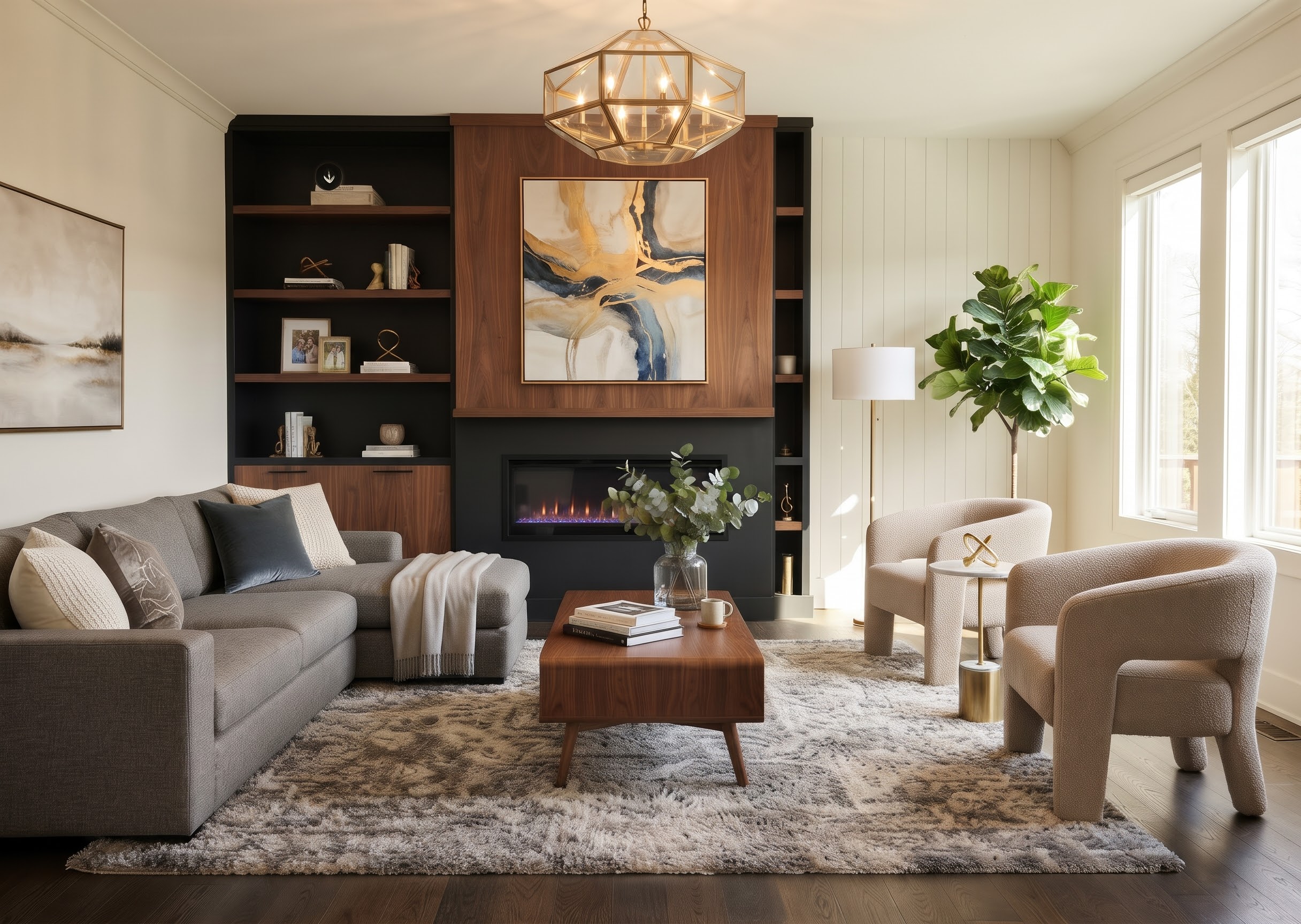
Home Improvements: Practical Ways to Enhance Comfort, Style, and Value
A home should be more than a place to sleep. It should offer comfort, reflect our personal taste, and support our everyday routines. However, outdated fixtures, cluttered rooms, faded walls, and inefficient lighting can make even a well-maintained property feel less inviting. Fortunately, improving our homes does not always require a complete renovation or a substantial budget.
Home improvements range from simple decorative changes to larger upgrades that enhance functionality, durability, and property value. Platforms offering professional home improvement and maintenance solutions make it easier to plan and execute these upgrades smoothly. By planning carefully, choosing suitable materials, and addressing essential repairs first, we can create a more attractive and comfortable living environment without unnecessary expenses.
1. Plan Your Home Improvements Carefully
Before starting a project, we should identify the areas that need attention. A leaking pipe, damaged roof, or faulty electrical installation requires more urgent action than outdated decorations.

Creating a list of improvements helps us distinguish essential repairs from optional upgrades. We should estimate material costs, labour charges, transportation, and other expenses before making commitments. Keeping an additional 10–20% of the estimated budget for unexpected costs can also be helpful.
A clear plan allows us to compare quotations, select durable materials, and complete projects in a sensible order. Rather than attempting to renovate every room simultaneously, we can focus on one area at a time.
2. Refresh Interior Walls With Fresh Paint
A fresh coat of paint can transform a tired room without extensive construction. Warm white, beige, and soft grey create versatile backgrounds, while deeper shades can introduce character through an accent wall.
Before painting, we should clean the surfaces, fill small holes, smooth rough patches, and apply primer where necessary. Proper preparation helps the paint adhere evenly and produces a more polished finish.
The choice of paint should also suit the room. Washable finishes are practical for busy living areas, while moisture-resistant products are preferable for bathrooms and kitchens.
Thoughtful colour selection, combined with careful application, can make our interiors appear brighter, cleaner, and more cohesive.
3. Give Your Kitchen a Practical Makeover
The kitchen should combine visual appeal with everyday convenience. Fortunately, we can improve its appearance without replacing every cabinet or appliance.
Updating cabinet handles, repairing loose hinges, repainting suitable cabinet surfaces, and installing under-cabinet lighting can make an older kitchen feel more contemporary. Drawer dividers, pull-out shelves, and pantry organisers also help keep frequently used items accessible.
When selecting countertops or backsplashes, we should consider durability, moisture resistance, cleaning requirements, and cost. A beautiful surface is far more useful when it withstands daily cooking and regular cleaning.
Small, carefully chosen upgrades can make the kitchen more organised and enjoyable to use.
4. Improve Bathroom Comfort and Functionality
Bathrooms benefit from improvements that address cleanliness, storage, and moisture control. Replacing worn faucets, refreshing damaged grout, updating mirrors, and installing modern lighting can improve the room’s appearance.
In smaller bathrooms, wall-mounted cabinets and recessed shelves provide useful storage without occupying excessive floor space. Light-coloured tiles and strategically positioned mirrors can also create a more spacious impression.
However, we should never overlook leaking fixtures, damaged seals, or inadequate ventilation. Persistent moisture can damage surrounding materials and encourage mould growth.
Suitable flooring, proper waterproofing, and durable finishes are essential. Major plumbing or electrical work should be handled by qualified professionals.
5. Make Small Rooms Feel More Spacious
Small rooms can remain comfortable and stylish when we use their available space wisely. Multifunctional furniture, such as storage beds, nesting tables, and extendable dining tables, helps accommodate different needs without overcrowding the room.
Vertical storage is equally useful. Tall shelves and wall-mounted cabinets provide additional space while leaving more floor area available.
We should also consider furniture proportions. Oversized pieces can overwhelm a compact room, while excessive decorations create visual clutter. Measuring the space before purchasing furniture helps maintain clear walkways and a balanced layout.
Sheer curtains, natural daylight, and mirrors can make rooms feel brighter and more open. The goal is to create a practical arrangement rather than fill every available corner.
6. Upgrade Lighting and Energy Efficiency
Good lighting improves both the appearance and functionality of a home. We can combine ambient lighting for general illumination, task lighting for activities such as reading or cooking, and accent lighting to highlight artwork or architectural details.
LED bulbs can reduce electricity consumption compared with many traditional incandescent bulbs. We should select suitable brightness and colour temperatures according to each room’s purpose.
Energy efficiency also depends on insulation, ventilation, and household equipment. Sealing suitable gaps around doors and windows may reduce drafts, while appropriate roof insulation can help regulate indoor temperatures.
In warmer climates, exterior shading and well-maintained cooling systems may improve comfort. Before purchasing expensive equipment, we should identify the property’s main sources of energy waste and prioritise practical solutions.
7. Enhance Your Home’s Exterior Appearance
The exterior creates the first impression of a property. Cleaning pathways, repainting a worn front door, trimming shrubs, and maintaining garden beds can make a noticeable difference.
Potted plants and suitable outdoor lighting can create a welcoming entrance without requiring elaborate landscaping. We should choose exterior materials and paint finishes that withstand local weather conditions.
At the same time, damaged gutters, poor drainage, and deteriorating exterior walls deserve attention. Repairing these problems before adding decorative features helps protect the building and prevent further deterioration.
8. Choose Durable Flooring and Better Storage
Flooring should suit the room’s purpose, expected foot traffic, and moisture exposure. Laminate and suitable vinyl products can work well in many living spaces, while ceramic and porcelain tiles are frequently practical for kitchens and bathrooms.
Before replacing existing flooring, we should consider whether damaged sections can be repaired or suitable surfaces refinished. This may reduce unnecessary costs.
Storage improvements are equally valuable. Under-bed drawers, adjustable shelving, entryway organisers, and built-in cabinets can reduce clutter and make everyday belongings easier to locate.
We should measure available spaces before buying storage products. A useful organisation system makes possessions accessible without overcrowding the home.
9. Maintain Essential Home Systems
Preventive maintenance protects the property and helps us identify problems before they become expensive repairs. We should periodically inspect visible plumbing, drainage points, window seals, and other areas prone to wear.
Persistent dampness, significant cracks, and unusual electrical behaviour require proper investigation. Covering these problems with paint or decorative materials will not resolve their underlying causes.
A simple maintenance schedule helps us track inspections, repairs, and replacement needs. Electrical faults, major structural concerns, and complicated plumbing issues should be assessed by qualified professionals. For reliable support and expert assistance, you can easily contact Hausfits to inspect and resolve your home maintenance needs.
Regular maintenance may not dramatically change a home’s appearance, but it helps preserve safety, functionality, and long-term condition.
Conclusion
Successful home improvements begin with understanding our needs and choosing upgrades that offer practical benefits. Fresh paint, better lighting, organised storage, updated fixtures, and regular maintenance can transform a property without requiring a complete renovation.
We should establish a realistic budget, prioritise essential repairs, and select materials suited to the home’s conditions. Some projects improve appearance immediately, while others provide lasting comfort and help prevent future expenses.

Ultimately, the best home improvements balance style, functionality, durability, and value. By making thoughtful decisions and completing projects gradually, we can create a welcoming home that serves our needs for years to come.

