Turning a logo into an embroidery file may sound hard. But it is not. With the right steps, you can do it with ease. This guide will help you understand the full process in a simple way.If you are new, do not worry. I will walk you through each step. I have worked with logo digitizing for years. So I will share what really works in real life. You will also learn how to Convert Business Logo to SEW File Format without stress.
What Is an Embroidery File?
An embroidery file is not like a normal image. It is not just a picture. It is a file that tells a machine how to stitch a design.
It has details like:
-
Stitch type
-
Stitch path
-
Thread color
-
Stitch order
Your machine reads this file and creates the design on fabric.
Why You Cannot Use a Logo Image Directly
Many people think they can upload a JPG or PNG file into a machine. That is not true.
A logo image does not have stitch data. It only has pixels. The machine cannot understand pixels. It needs stitch commands.
So you must convert the logo into a stitch file. This process is called digitizing.
What Is Logo Digitizing?
Logo digitizing means turning a simple image into a stitch file.
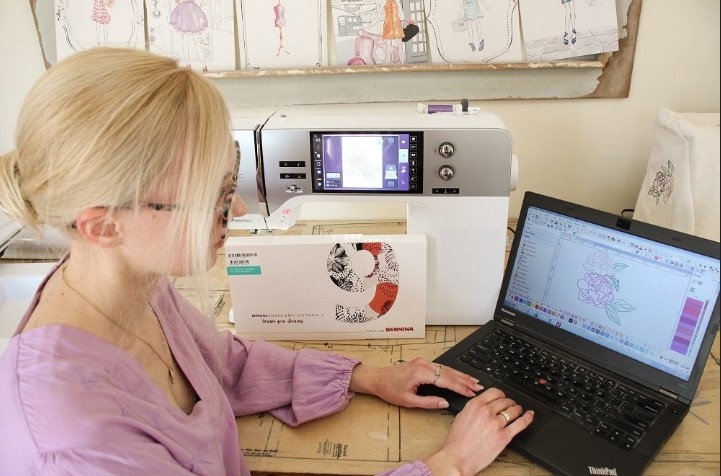
You use special software for this task. The software helps you draw stitch paths over the logo.
But here is the truth:
-
Good digitizing is not automatic
-
It needs skill and practice
-
Small mistakes can ruin the final design
From my experience, clean and simple logos work best. Complex logos need more time and care.
Types of Embroidery File Formats
Different machines use different file types. Here are some common ones:
Common Formats
-
DST (very popular)
-
PES (used by Brother machines)
-
JEF (used by Janome machines)
-
SEW (used by some home machines)
Each format has its own use. You must choose the right one for your machine.
Tools You Need
Before you start, you need some tools.
Basic Tools
-
A clear logo image (PNG or SVG is best)
-
Embroidery digitizing software
-
An embroidery machine
-
Thread and fabric
Popular Software Options
-
Wilcom
-
Hatch
-
Brother PE-Design
-
Ink/Stitch (free option)
I have used both paid and free tools. Paid tools give more control. But beginners can start with free ones.
Step-by-Step Process to Convert a Logo
Let’s break it down into easy steps.
Step 1: Choose a Good Logo File
Start with a clean image.
Best tips:
-
Use high resolution
-
Avoid blurry images
-
Use simple colors
A clear logo saves time later.
Step 2: Import the Logo into Software
Open your digitizing software.
Then:
-
Import the logo
-
Resize it if needed
-
Lock the image as a guide
Now you are ready to digitize.
Step 3: Set the Design Size
Size matters a lot in embroidery.
If the design is too small:
-
Details will be lost
If too big:
-
It may not fit your fabric
Always match the size to your final use.
Step 4: Choose Stitch Types
Different parts of a logo need different stitches.
Common Stitch Types
Running Stitch
Used for lines and small details
Satin Stitch
Used for text and borders
Fill Stitch
Used for large areas
From my work, satin stitch works best for logos with text. It gives a clean and bold look.
Step 5: Trace the Logo
Now comes the main part.
You will trace each part of the logo.
Tips:
-
Work from center to outer areas
-
Keep stitch direction smooth
-
Avoid too many jumps
Take your time here. This step decides the final quality.
Step 6: Set Stitch Direction and Density
This step is very important.
Stitch Direction
It affects how light hits the design. It also changes how the design looks.
Stitch Density
It controls how tight the stitches are.
If density is too high:
-
Fabric may pull
If too low:
-
Gaps may appear
From my experience, testing different settings helps a lot.
Step 7: Add Underlay Stitches
Underlay stitches go under the main stitches.
They help to:
-
Support the design
-
Keep fabric stable
-
Improve stitch quality
Do not skip this step. It makes a big difference.
Step 8: Assign Thread Colors
Match the thread colors with your logo.
Try to use real thread shades. Not all screen colors look the same in thread.
Step 9: Convert and Save the File
Once done, save the file in the right format.
Make sure:
-
It matches your machine
-
The file is tested
Now your file is ready to use.
Testing the Design
Never skip testing.
Always stitch the design on a sample fabric.
Check for:
-
Thread breaks
-
Gaps in stitches
-
Shape issues
I always test designs at least once. It helps avoid big mistakes.
Common Mistakes to Avoid
Even small errors can ruin a design.
Mistake 1: Using Low-Quality Images
Bad images lead to bad results
Mistake 2: Too Many Details
Simple designs work better
Mistake 3: Wrong Stitch Density
Can damage fabric or design
Mistake 4: Skipping Test Runs
Always test before final use
Tips from Real Experience
Here are some tips I learned over time:
Keep It Simple
Simple logos stitch better
Use Fewer Colors
Too many colors slow down the machine
Plan the Stitch Order
Good order reduces thread jumps
Learn from Mistakes
Every failed design teaches something
When to Hire a Professional
Sometimes it is better to get help.
You should hire a pro if:
-
The logo is complex
-
You need bulk production
-
You want perfect results
Professionals have years of experience. They know how to handle tough designs.
Benefits of Learning This Skill
Learning logo digitizing has many benefits.
Save Money
No need to outsource
Start a Business
You can offer digitizing services
Full Control
You control quality and design
Final Thoughts
Turning a logo into an embroidery file is not hard. You just need the right steps and some practice.
Start simple. Learn each step slowly. Test your designs. Over time, you will get better.
From my own work, I can say this skill is very useful. It saves time and gives you control.
If you stay patient and keep learning, you can create clean and beautiful embroidery designs with ease.