Industrial welding systems are essential for producing strong and durable metal structures across various industries. From automotive assembly lines to heavy fabrication plants, welding processes join components with precision and reliability. However, these operations generate intense heat, making temperature control a critical factor in maintaining performance and safety. Excessive heat can damage equipment, reduce weld quality, and lead to costly downtime. To address these issues, water welder systems have become an important solution. These systems use water-based cooling to regulate temperature, ensuring efficient and safe welding operations.
What Are Water Welder Systems?
Water welders systems are specialized cooling systems designed to manage the heat generated during welding processes. They work by circulating water through welding equipment such as guns, cables, and transformers to absorb and dissipate heat.
The basic working mechanism involves a continuous flow of water that removes excess heat from critical components. As water passes through the system, it absorbs thermal energy and carries it away, maintaining a stable operating temperature.

Importance of Water Welder Systems in Industry
In modern industrial environments, welding systems must operate continuously and at high speeds. This increases the demand for efficient cooling solutions. Water welder systems play a vital role in meeting these requirements by providing reliable temperature control.
These systems help protect welding equipment from heat-related damage, thereby improving durability and extending component lifespan. By maintaining stable temperatures, they also enhance productivity by reducing interruptions caused by overheating.
In automated and robotic welding systems, where precision and consistency are critical, water-cooling systems ensure optimal cooling. This supports high-performance welding operations and helps industries achieve better efficiency.
Key Features of Modern Water Welder Systems
Advanced Cooling Technology
Modern water welder systems use advanced cooling technology to efficiently remove heat. Continuous water circulation ensures that excess heat is quickly dissipated, maintaining stable operating conditions.
Real-Time Monitoring and Sensors
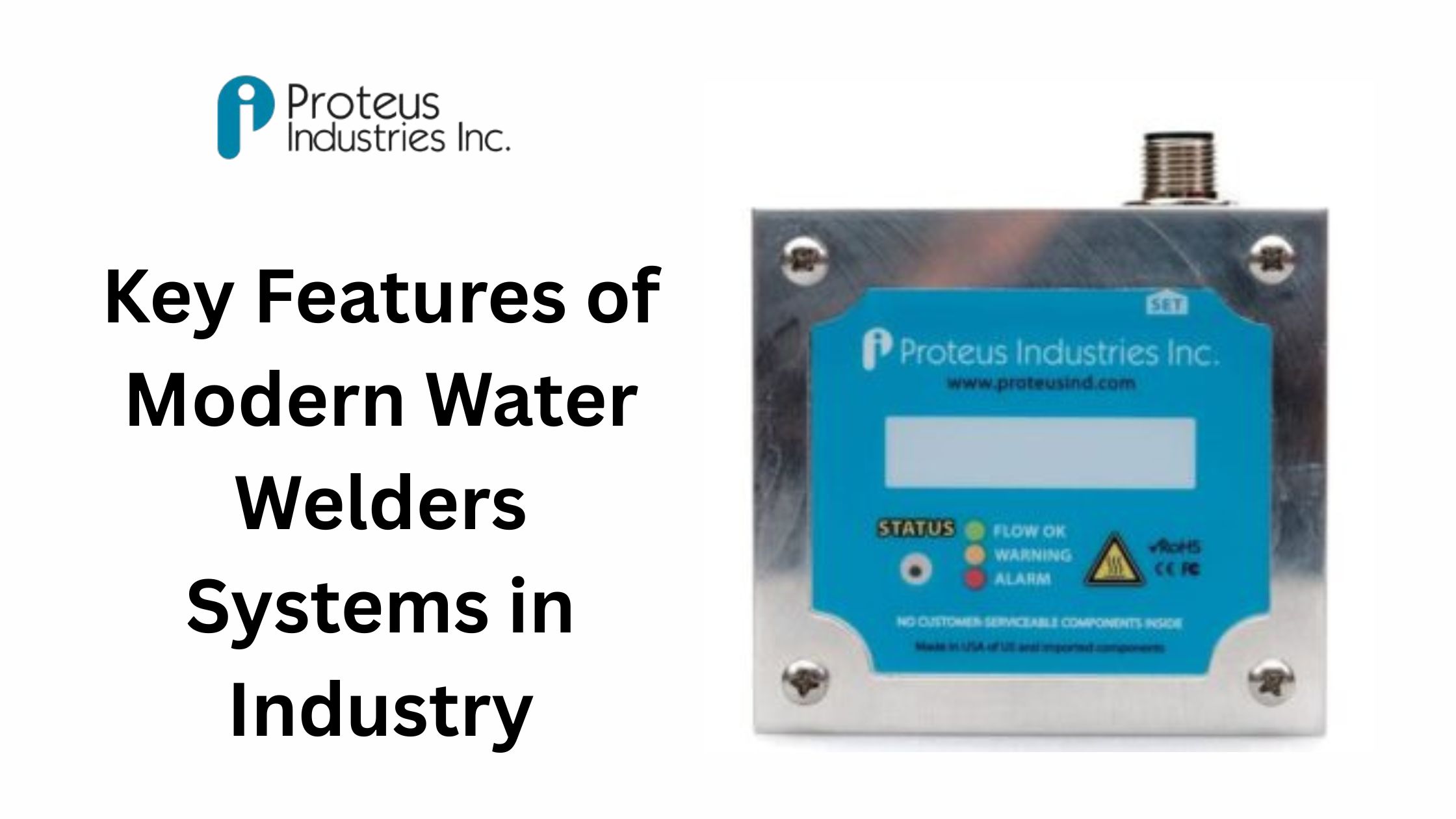
These systems are equipped with sensors that monitor temperature and water flow in real time. This allows operators to detect issues early and take corrective action to maintain system safety.
High Flow Rate and Pressure Control
Maintaining proper flow rate and pressure is essential for effective cooling. Water welder systems are designed to deliver consistent circulation, ensuring reliable cooling performance.
Energy Efficiency
Modern systems are optimized to reduce energy consumption while maintaining high cooling efficiency. This helps lower operational costs and supports sustainable manufacturing practices.
Durable and Corrosion-Resistant Materials
Water welder systems are built using durable materials that resist corrosion and wear. This ensures long-term reliability in demanding industrial environments.
Automation and Smart Controls
Advanced systems can integrate with PLC and industrial control systems, allowing automated monitoring and control. This improves operational efficiency and simplifies system management.
Compact and Modular Design
Modern water welder systems are designed to be compact and modular, making installation easier and allowing for scalability as production needs grow.
Applications of Water Welder Systems
Automotive Manufacturing
Water welder systems are widely used in automotive production lines, where robotic welding requires continuous cooling for high-speed operations.
Heavy Fabrication and Construction
In construction and heavy industries, these systems help manage heat during prolonged welding, improving efficiency and safety.
Shipbuilding and Marine Industry
Marine applications, including underwater welding and ship maintenance, benefit from the effective cooling provided by water welder systems.
General Manufacturing
Water welder systems support precision welding and mass production across a wide range of manufacturing industries.
Benefits of Modern Water Welder Systems
Using water welder systems offers several important benefits. They provide improved cooling efficiency, ensuring that welding equipment operates within safe temperature limits. This helps extend component lifespans and reduce maintenance costs.
Stable temperature control also improves weld quality, resulting in stronger, more consistent joints. Additionally, these systems reduce downtime by preventing overheating and equipment failure.
Another key benefit is improved workplace safety. By effectively controlling heat, water welder systems minimize the risk of heat-related hazards, creating a safer working environment.
Water Welder Systems vs Traditional Cooling Methods
Traditional cooling methods, such as air cooling, may not be sufficient for high-intensity welding operations. These systems often struggle to maintain consistent temperatures, resulting in reduced performance and increased equipment wear.
In comparison, water welder systems offer superior cooling performance through continuous water circulation. They provide better temperature control, improved efficiency, and greater reliability. This makes them more suitable for modern industrial applications, particularly in automated and high-speed production environments.
Challenges and Considerations
Despite their advantages, water welder systems come with certain challenges. The initial investment cost can be higher than that of traditional cooling methods. However, this cost is often offset by long-term savings in maintenance and improved efficiency.
Regular maintenance is required to ensure proper operation. This includes monitoring water flow, cleaning components, and checking for leaks. Compatibility with existing welding equipment is another important consideration when selecting a system.
Future Trends in Water Welder Technology
The future of water welder systems is closely linked to technological and automation advancements. Smart systems equipped with IoT capabilities are becoming more common, allowing real-time monitoring and data analysis.
Integration with robotic and automated welding systems is also increasing, enabling better control and efficiency. Continued advancements in cooling technology are expected to further improve performance, making water welder systems an essential part of modern industrial operations.
Conclusion
Modern water welder systems have become a vital component of industrial welding operations. Their advanced features, including efficient cooling, real-time monitoring, and automation, make them ideal for high-performance manufacturing environments. As industries continue to evolve and adopt new technologies, the demand for reliable cooling solutions will grow. Investing in water welder systems helps improve efficiency, enhance safety, and ensure consistent welding quality. As advancements continue, these systems will remain a key part of the future of industrial welding.