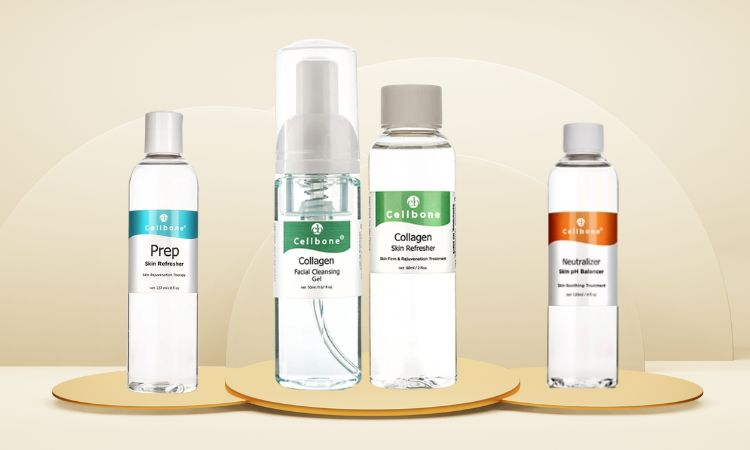
One of the most common points of confusion is knowing the right order to apply products, especially when it comes to cleanser and toner. It may seem like a small detail, but the sequence you follow can quietly influence how your skin looks and feels over time. When these two steps are used correctly, everything that follows tends to absorb better, sit more comfortably, and work more effectively.
A lot of people don’t realize how much difference the right order can make until they switch it and suddenly their routine starts “working.” It’s not that new products magically perform better – it’s just that your skin is finally in the right condition to receive them. That small How to Clean Your Bathroom the Right Wayshift in sequence often clears up confusion around why some routines feel inconsistent even when the products themselves are good.
The Short Answer Most People Are Looking For
Cleanser comes first, toner comes second. Always.How to Clean Your Bathroom the Right Way

That order isn’t a trend or a personal preference. It’s based on how skin works and how these products are designed. Cleanser removes buildup from the surface. Toner works on freshly cleansed skin to rebalance and prep it for what comes next.
But to really understand why that order matters, it helps to know what each product does on its own.
What a Cleanser Actually Does for Your Skin
A cleanser is your reset button. Throughout the day, your skin collects oil, sweat, sunscreen, makeup, and environmental debris. Even if your face doesn’t look dirty, that layer is still there.
Cleansers are formulated to lift and rinse away that buildup without stripping the skin barrier when used properly. This step clears the path so everything else you apply afterward can actually reach your skin instead of sitting on top of residue.
Skipping cleanser or using it incorrectly often leads to clogged pores, uneven texture, and products that feel like they just aren’t doing much.
You might also notice that when cleansing is done properly, your skin feels more neutral – not overly dry, not overly oily. That balanced feeling is usually a sign that your cleanser is doing its job without disturbing your barrier, which is exactly what you want before moving to the next step.
What Toner Is Meant to Do (And What It’s Not)
Toner used to have a bad reputation, especially older formulas that were heavy on alcohol. Modern toners are very different. Today, toner is about balance and preparation, not stripping.
After cleansing, toner helps remove any leftover residue while restoring hydration and supporting the skin’s natural pH. Many toners also include calming or hydrating ingredients that help skin feel comfortable instead of tight.
Think of toner as the bridge between cleansing and treatment. It gets your skin ready to absorb what you apply next. A good toner doesn’t feel harsh or overly active. Instead, it should feel like it’s settling your skin down after cleansing, almost like it’s “resetting” things so your skin doesn’t swing too dry or too oily right after washing.
Why the Order of Cleanser and Toner Matters
Using toner before cleansing doesn’t make sense for one simple reason: toner can’t do its job on dirty skin. If oil, makeup, or sunscreen is still sitting on your face, toner ends up working on top of that layer instead of your actual skin.
When you use cleanser and toner in the correct order, you get a clean surface first, then a balanced, hydrated base. That combination improves absorption, reduces irritation, and makes your routine feel smoother overall.
This is also why people often notice better results from serums and moisturizers once they fix the order of their steps.
Does Skin Type Change the Order?
The order stays the same, but how you choose products can vary.
Oily or Acne-Prone Skin
A gentle foaming or gel cleanser helps control excess oil without over-drying. A toner with soothing or oil-balancing ingredients can help keep pores clearer.
Dry or Sensitive Skin
Cream or hydrating cleansers work best here. Pair them with an alcohol-free toner that focuses on hydration and calming the skin.
Combination Skin
A balanced cleanser followed by a lightweight toner keeps both dry and oily areas comfortable.
When Combined with Serums, Moisturizers
If you use a collagen face serum, applying it after toner allows it to absorb more evenly and feel less sticky. Hydrated, balanced skin responds better to active ingredients, which is why toner plays such an important supporting role.
A simple routine usually looks like this:
Cleanser → Toner → Serum → Moisturizer → Sunscreen (morning)
This order might look basic, but it’s surprisingly effective when done consistently. Many people try to upgrade their routine with more products when in reality, just following this structure properly can make a noticeable difference in how their skin looks and feels.
Common Mistakes People Make
One of the biggest mistakes is over-cleansing. Washing too often or using harsh cleansers can disrupt your barrier, making toner feel irritating instead of refreshing.
Another issue is skipping toner entirely and wondering why serums don’t absorb well. While toner isn’t mandatory, it often improves the overall experience and effectiveness of your routine.
Using cotton pads aggressively can also cause unnecessary friction. Many toners work just as well when pressed into the skin with clean hands.
Do You Always Need a Toner?
This is a fair question and one people ask often. The honest answer is that toner isn’t strictly required, but it’s very helpful for most routines.
If your cleanser leaves your skin feeling perfectly comfortable and balanced, you might not notice an immediate difference. But if your skin ever feels tight, uneven, or unpredictable, toner usually helps smooth things out.
It’s especially useful if you use active treatments or want to get the most out of products like a collagen face serum.
How Long Should You Wait Between Cleanser and Toner?
You don’t need to wait long. After rinsing your cleanser, gently pat your skin so it’s damp, not dripping. Apply toner right away. Slightly damp skin helps toner spread evenly and absorb better.
Waiting too long can allow moisture to evaporate, which makes skin feel tighter than it needs to.
That quick transition from cleansing to toner is what helps lock in comfort. When you delay too much, your skin can start to feel dry again, which defeats the purpose of using toner in the first place.
Conclusion
So, what comes first? Cleanser, always, followed by toner. That simple order supports how your skin naturally functions and sets the stage for everything that follows. When you use cleanser and toner the right way, you give your skincare routine a solid foundation.
Frequently Asked Questions
Should I use toner after every cleanse?
Yes, if toner works well for your skin, using it after each cleanse can help maintain balance.
Can I skip toner in the morning?
You can, but many people find it refreshing and helpful before applying serum and sunscreen.
Is toner necessary if my cleanser is gentle?
Not always necessary, but it often improves hydration and absorption.
Do I apply toner with cotton or hands?
Either works. Hands are gentler and reduce product waste.
How long before I see results from using the correct order?
Many people notice better texture and comfort within a few weeks.

To Read More Blogs: https://usamagazine.online/