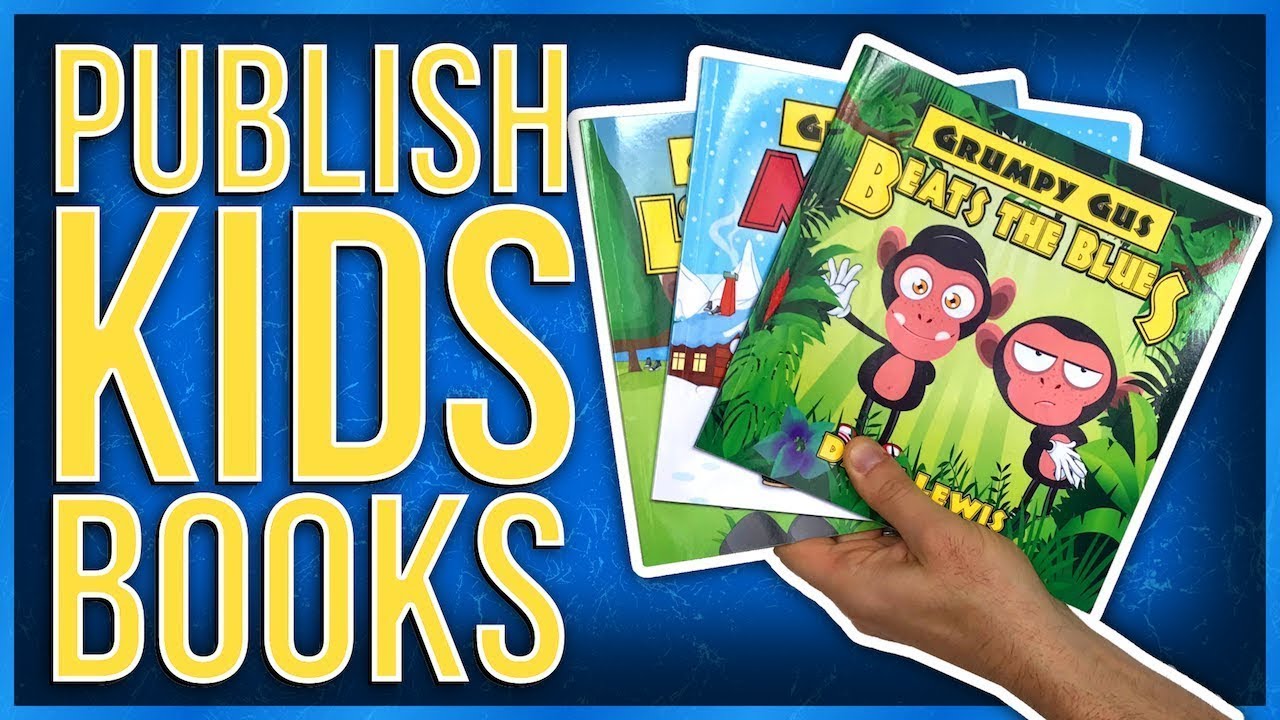
Authors can reduce children’s book costs by planning budgets carefully, simplifying production choices, using print-on-demand services, and managing illustration expenses strategically. With smarter publishing decisions, writers can maintain quality while avoiding unnecessary financial pressure during the publishing process.
Many first-time authors researching children’s book publishing companies quickly discover that publishing costs can rise fast due to illustrations, formatting, editing, and printing requirements. Children’s books often require higher visual quality than standard novels, making budgeting an important part of successful publishing. However, reducing expenses does not always mean lowering quality if decisions are made carefully from the beginning.
Why Children’s Books Are Expensive to Produce
Children’s books usually cost more to produce because they rely heavily on visuals, color printing, and specialized formatting. Unlike text-heavy books, picture books require coordinated design between storytelling and artwork.
Major Cost Factors
- Full-color illustrations
- Hardcover printing
- Professional editing
- Layout and formatting
- Marketing and promotion
Industry estimates suggest illustrations alone can account for 40–60% of total production costs for many children’s books.
Another reason costs increase is because children’s publishing requires durable printing materials and visually appealing designs that attract both children and parents.
Plan a Publishing Budget Before Starting
One of the best ways to reduce costs is to create a realistic publishing budget before beginning the project. Many authors overspend simply because they underestimate production expenses.
Smart Budget Planning Tips
- Separate essential and optional expenses
- Estimate illustration and printing costs early
- Keep emergency funds for revisions
- Track spending using spreadsheets or budgeting apps
Planning ahead allows authors to avoid impulsive spending decisions later in the publishing process.
Studies on self-publishing trends show poor budgeting remains one of the leading reasons authors exceed expected publishing costs.
Reduce Illustration Costs Strategically
Illustrations are often the largest expense in children’s publishing, but there are several ways authors can manage these costs effectively.
Cost-Reduction Strategies
- Use simpler illustration styles
- Reduce page count
- Choose spot illustrations instead of full-page spreads
- Work with emerging illustrators
- Bundle multiple illustrations into one contract
The goal should not be to eliminate quality but to balance storytelling needs with financial limitations.
For example, minimalist illustration styles have become increasingly popular because they reduce production complexity while still maintaining emotional storytelling value.
Important Considerations
- Detailed artwork requires more time and higher pricing
- Consistency matters more than excessive detail
- Strategic color usage can lower printing costs
Many authors now compare different children’s book illustration services carefully before making final creative decisions, especially when trying to balance affordability with professional presentation.
Use Print-on-Demand Instead of Bulk Printing
Print-on-demand (POD) has become one of the most effective ways to reduce publishing costs, especially for first-time authors.
Instead of printing thousands of copies upfront, POD allows books to be printed only when orders are received.
Benefits of Print-on-Demand
- No large inventory costs
- Lower financial risk
- Reduced storage expenses
- Easier global distribution
Publishing data shows POD services significantly reduce inventory waste and upfront investment for independent authors.
POD vs Bulk Printing
| Feature | Print-on-Demand | Bulk Printing |
|---|---|---|
| Upfront Cost | Lower | Higher |
| Inventory Risk | Minimal | High |
| Cost Per Copy | Slightly Higher | Lower |
| Flexibility | High | Limited |
For new authors unsure about sales volume, POD often provides a safer and more flexible option.
Choose Cost-Effective Book Formats
Book format choices directly affect production costs. Small adjustments in design and materials can significantly reduce expenses without harming reader experience.
Budget-Friendly Format Choices
- Paperback instead of hardcover
- Standard trim sizes
- Matte finishes over specialty coatings
- Fewer pages with tighter storytelling
Hardcover books look premium, but they often cost substantially more to print and distribute.
Digital Publishing Benefits
Some authors now choose digital-first publishing to reduce printing costs entirely during initial launches.
Benefits include:
- No inventory costs
- Faster publishing timeline
- Lower formatting expenses
This approach also helps authors test market interest before investing heavily in physical copies.
Minimize Editing and Formatting Expenses Smartly
Professional editing remains essential, but authors can reduce editing costs by preparing manuscripts more carefully beforehand.
Ways to Reduce Editing Costs
- Self-edit multiple times before hiring professionals
- Use beta readers for early feedback
- Learn basic formatting tools
- Combine proofreading and formatting packages when possible
Avoid This Common Mistake
Skipping professional proofreading entirely can hurt book quality and credibility. Even small grammar mistakes may negatively affect reader trust and reviews.
Reader surveys consistently show editing quality strongly influences overall satisfaction with children’s books.
Reduce Marketing Costs Without Losing Visibility
Marketing can become expensive quickly, especially if authors rely only on paid advertising. However, many effective promotional strategies require more creativity than money.
Affordable Marketing Methods
- Social media storytelling
- Author websites and blogs
- School and library outreach
- Free sample chapters
- Email newsletters
Organic Marketing Benefits
Organic marketing often creates stronger long-term audience engagement because readers discover content naturally through recommendations and search engines.
Studies suggest content-driven marketing can provide higher long-term return on investment compared to short-term paid advertising campaigns.
Traditional Publishing vs Self-Publishing Costs
The choice between traditional publishing and self-publishing also affects overall costs.
Traditional Publishing
Advantages:
- Publisher handles production expenses
- Professional editorial support
- Distribution assistance
Disadvantages:
- Lower royalty percentages
- Less creative control
- Competitive acceptance process
Self-Publishing
Advantages:
- Full creative control
- Higher royalty potential
- Faster publishing timeline
Disadvantages:
- Higher upfront costs
- Author manages production and marketing
Neither option is universally cheaper. The best choice depends on an author’s goals, experience, and financial resources.
Case Study: How One Author Reduced Publishing Costs Successfully
A first-time children’s author planned to publish a fully illustrated hardcover picture book with premium materials. Initial estimates exceeded the available budget significantly.
Instead of canceling the project, the author made several strategic changes.
Cost-Saving Decisions
- Reduced page count slightly
- Switched from hardcover to paperback
- Used simpler illustration styles
- Chose print-on-demand distribution
- Focused on organic social media promotion
Results
- Lower production costs
- Faster release timeline
- Reduced financial risk
- Sustainable marketing approach
Publishing analysts often note that strategic simplification can reduce children’s book production costs substantially while preserving reader engagement.
Common Mistakes That Increase Publishing Costs
Many authors unintentionally increase expenses by making avoidable decisions.
Frequent Costly Mistakes
- Excessive revisions during illustration stages
- Overcomplicated page layouts
- Large bulk print orders too early
- Poor budgeting from the start
- Overspending on paid advertising immediately
Recognizing these mistakes early helps authors make smarter financial choices.
Future Trends Lowering Children’s Book Costs in 2026
Technology continues making publishing more accessible and cost-efficient for authors.
Emerging Trends
- AI-assisted formatting tools
- More affordable POD services
- Digital-first publishing growth
- Faster illustration workflows
These innovations are helping reduce barriers for independent authors entering the children’s publishing industry.
However, despite automation, quality storytelling and thoughtful design remain essential for long-term success.
Conclusion
Publishing a children’s book can be expensive, but careful planning and smart production choices make it much more manageable. Authors do not always need premium materials, oversized print runs, or highly complex illustrations to create engaging books.
By balancing quality with affordability, using modern publishing tools, and making strategic budgeting decisions, authors can reduce costs while still producing visually appealing and meaningful children’s books that connect with readers effectively.
FAQs
What is the biggest expense in children’s book publishing?
Illustrations and color printing are usually the largest expenses.
How can authors reduce illustration costs?
Authors can simplify illustration styles, reduce page complexity, and work with newer illustrators.
Is print-on-demand cheaper for children’s books?
It reduces upfront investment and inventory risk, especially for small print runs.
Can authors publish children’s books on a budget?
Yes, with careful planning, strategic formatting, and controlled production decisions.