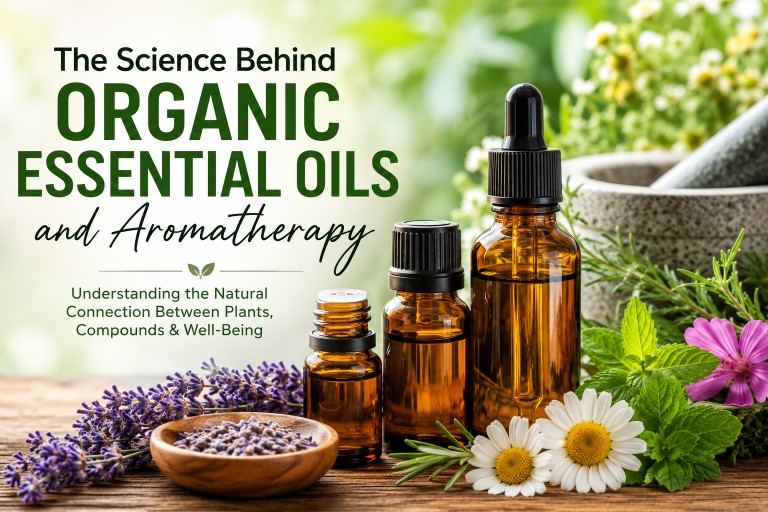
The growing popularity of natural wellness products has brought renewed attention to aromatherapy and plant-based healing methods. Among the most discussed natural products today are organic essential oils, valued for their purity, aromatic complexity, and potential wellness applications. From relaxation routines to home wellness practices, these concentrated botanical extracts have become an important part of modern holistic lifestyles.
Aromatherapy is more than simply enjoying pleasant scents. Scientific research continues to explore how aromatic plant compounds interact with the body and mind through inhalation and topical use. Understanding the chemistry and extraction process behind essential oils helps explain why quality and sourcing matter so much in the aromatherapy industry.
What Are Essential Oils?
Essential oils are concentrated plant extracts obtained from flowers, leaves, bark, roots, seeds, or fruits. These oils contain volatile aromatic compounds responsible for a plant’s fragrance and natural defense mechanisms.
Most essential oils are produced through steam distillation, while some delicate botanicals require cold pressing or CO2 extraction methods. The resulting liquid contains highly concentrated plant molecules that contribute to the oil’s aroma and characteristics. High-quality producers often emphasize botanical sourcing, purity standards, and careful extraction methods to preserve the integrity of these compounds.
The term “organic” refers to oils sourced from plants grown without synthetic pesticides, herbicides, or harmful chemicals. Organic cultivation practices are increasingly valued because consumers are becoming more aware of environmental sustainability and ingredient transparency.
The Chemistry Behind Aromatherapy
Aromatherapy works primarily through the olfactory system, which is directly connected to the brain’s limbic system. The limbic system influences emotions, memory, mood, and stress responses. When aromatic molecules are inhaled, receptors in the nose send signals to the brain that may trigger emotional and physiological reactions.
Essential oils contain naturally occurring chemical constituents such as:
- Terpenes
- Esters
- Aldehydes
- Ketones
- Phenols
- Alcohols
Each essential oil contains a unique chemical profile. For example, lavender oil is known for linalool and linalyl acetate, compounds often associated with calming effects. Peppermint oil contains menthol, which contributes to its cooling and invigorating sensation.
Scientific interest in aromatherapy has grown because these plant compounds may influence relaxation, mood support, focus, and overall sensory experience. However, researchers also emphasize the importance of proper usage and realistic expectations regarding wellness claims.
Why Purity Matters
The effectiveness and safety of aromatherapy often depend on oil purity. Adulterated or synthetic oils may lack the natural complexity found in authentic botanical extracts. Industry experts and consumer discussions frequently highlight concerns about diluted or artificially fragranced products in the marketplace.
Authentic essential oils generally include botanical names, sourcing information, and testing transparency. Many reputable brands use GC/MS testing, a laboratory analysis method that helps verify purity and chemical composition. Wellness publications also emphasize third-party testing and ingredient transparency as important purchasing factors.
This focus on quality is one reason consumers increasingly prefer organic essential oils over synthetic fragrance alternatives. Organic cultivation standards may reduce exposure to unwanted agricultural chemicals while supporting more sustainable farming practices.
How Aromatherapy Influences Wellness
Although aromatherapy should not replace professional medical care, many people use it as part of a broader wellness routine. Research into sensory stimulation and plant compounds suggests several potential benefits associated with aromatherapy practices.
Stress Reduction and Relaxation
Certain aromas may promote relaxation by influencing emotional responses within the brain. Lavender, chamomile, frankincense, and sandalwood are commonly used in calming blends designed for evening routines or meditation environments.
Diffusing oils in quiet spaces may help create a more peaceful atmosphere, which can indirectly support stress management practices such as mindfulness and yoga.
Mood Enhancement
Citrus oils such as orange, lemon, and grapefruit are often associated with uplifting aromas. Many users incorporate these oils into morning rituals, workspaces, or wellness routines to create a more refreshing environment.
The psychological effect of scent can be powerful because smell is closely connected to memory and emotional processing.
Respiratory Comfort
Eucalyptus, peppermint, and tea tree oils are commonly included in steam inhalation and diffuser blends intended to support feelings of freshness and clear breathing. Their cooling aromatic compounds contribute to their popularity in seasonal wellness routines.
Skincare and Topical Applications
Essential oils are also widely used in skincare formulations, massage oils, and personal care products when properly diluted with carrier oils. Botanical oils such as tea tree, lavender, and frankincense are often included in clean beauty and natural skincare products because of their aromatic and soothing properties.
The Importance of Sustainable Sourcing
As demand for aromatherapy products continues to grow, sustainability has become increasingly important within the essential oil industry. Producing essential oils requires large amounts of plant material, making ethical sourcing and responsible farming essential for environmental balance.
Brands that prioritize sustainable agriculture often focus on:
- Organic cultivation
- Ethical harvesting methods
- Responsible distillation practices
- Reduced environmental impact
- Transparent ingredient sourcing
Consumers are paying closer attention to where botanical ingredients come from and how they are processed. This shift has encouraged many companies to improve sourcing standards and emphasize traceability.
Understanding Different Extraction Methods
Extraction methods significantly influence the quality and aroma profile of essential oils.
Steam Distillation
This is the most common extraction technique. Steam passes through plant material, releasing aromatic compounds that are later condensed into essential oil.
Cold Pressing
Typically used for citrus oils, cold pressing mechanically extracts oil from fruit peels without heat.
CO2 Extraction
This advanced method uses pressurized carbon dioxide to extract aromatic compounds while preserving delicate plant constituents. Many premium oils use this process for improved purity and aroma preservation.
Companies such as Miracle Botanicals Essential Oils offer a wide range of botanical oils sourced from various regions and extraction methods, including steam-distilled and CO2-extracted varieties.
Safety and Responsible Use
Despite their natural origin, essential oils are highly concentrated substances and should be used carefully.
Basic safety guidelines include:
- Always dilute oils before topical use
- Avoid direct contact with eyes
- Keep oils away from children and pets
- Use oils in moderation
- Follow professional guidance when necessary
Individuals with allergies, sensitivities, pregnancy concerns, or medical conditions should consult qualified healthcare professionals before using aromatherapy products.
Responsible education is especially important because online misinformation and low-quality products can create confusion among new users.
The Future of Aromatherapy
Interest in natural wellness and plant-based lifestyles continues to shape the future of aromatherapy. Consumers are increasingly drawn to clean-label products, transparent sourcing, and environmentally conscious wellness brands.
As scientific research evolves, aromatherapy may continue gaining credibility within complementary wellness practices. At the same time, consumer awareness about purity and sourcing is encouraging higher standards across the essential oil industry.
Companies like Miracle Botanicals Essential Oils reflect this growing demand for ethically sourced botanical products and educational transparency within the aromatherapy market.
Conclusion
The science behind aromatherapy combines chemistry, sensory experience, and traditional botanical practices. While research into aromatic compounds continues to expand, the importance of purity, sourcing, and responsible usage remains central to the conversation.
Understanding how essential oils are produced and how aromatic molecules interact with the body can help consumers make informed decisions about their wellness routines. As interest in natural living grows worldwide, organic essential oils are likely to remain an important part of modern holistic lifestyles.
FAQs
1. What are organic essential oils?
Organic essential oils are concentrated plant extracts produced from botanicals grown without synthetic pesticides, herbicides, or harmful chemicals.
2. How does aromatherapy work?
Aromatherapy works through the olfactory system, where aromatic compounds interact with receptors connected to the brain’s emotional and sensory centers.
3. Why is purity important in essential oils?
Pure oils contain natural plant compounds without synthetic fillers or artificial fragrances, which may improve quality and authenticity.
4. Can essential oils be applied directly to the skin?
Most essential oils should be diluted with carrier oils before topical application to help reduce the risk of irritation.
5. What is the best way to use essential oils at home?
Common methods include diffusers, steam inhalation, diluted massage oils, and aromatherapy blends for relaxation and wellness routines.