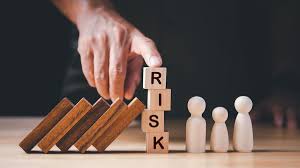
Risk Management: Protecting What Matters
Introduction
Risk touches every part of life — from crossing the street to investing your savings. But what if you could spot dangers earlier, make smarter choices, and protect what matters most? This guide to risk management breaks the topic into simple, practical steps. Whether you’re curious about everyday risks or risk management in trading, you’ll find clear advice and useful examples. Ready to get safer and smarter?
Learn risk management, risk management in trading, and why Trendy Traders Academy stresses safe strategies for lasting success.
What is Risk Management?
Risk management is simply the process of identifying what could go wrong and doing something about it. Think of it as checking your umbrella before you leave the house on a cloudy day. You can’t stop the rain, but you can prepare so you don’t get soaked.
- Key point: It’s proactive, not reactive.
- Key point: Applies to personal life, business, and finance.
Why Risk Management Matters
Why spend time on risk? Because small problems left unchecked become big ones. Imagine a tiny leak in your roof — a bit of attention now saves a costly repair later. The same is true for money, relationships, health, and careers.
- Key point: Protects assets and peace of mind.
- Key point: Helps you sleep better at night.
Types of Risk (Everyday and Financial)
Not all risks are the same. Here are common categories:
- Personal risks: health, safety, relationships.
- Operational risks: mistakes, system failures at work.
- Financial risks: market swings, credit risk, liquidity risk.
- Strategic risks: choosing the wrong business move.
- Compliance risks: legal or regulatory breaches.
- Key point: Identifying the type helps you choose the right response.
The Risk Management Process (5 Steps)
A simple framework anyone can use:
- Identify risks: List potential threats.
- Assess risks: Estimate likelihood and impact.
- Prioritize risks: Focus on what matters most.
- Respond to risks: Apply controls (avoid, reduce, transfer, accept).
- Monitor & Review: Track and adjust.
- Analogy: Like triage in a clinic — treat the most dangerous first.
How to Assess Risk: Likelihood & Impact
Assessing risk is about two questions: How likely will this happen? If it does, how bad will it be?
- Low likelihood, low impact: monitor.
- High likelihood, low impact: reduce or accept with contingency.
- Low likelihood, high impact: consider transfer (insurance) or mitigate.
- High likelihood, high impact: immediate action needed.
- Key point: Use simple scoring (1–5) for both dimensions to prioritize.
Risk Controls: Avoid, Reduce, Transfer, Accept
Four classic responses:
- Avoid: Don’t do the risky activity.
- Reduce (mitigate): Take steps to lower chance or severity.
- Transfer: Move risk to someone else (insurance, contracts).
- Accept: Acknowledge and prepare for the consequences.
- Example: Driving a car — you can avoid (don’t drive), reduce (drive safely, use seatbelt), transfer (car insurance), or accept (drive and accept small risks).
Risk Management in Trading
Trading is high-stakes by nature. Risk management in trading is what separates consistent traders from gamblers.
- Key point: Protect capital first, profits second.
- Key point: A trader’s job is to manage risk, not predict the market perfectly.
Trendy Traders Academy and many reputable training programs emphasize routines, strict rules, and repeatable methods that guard your account against big losses while letting you stay in the game.
Tools Traders Use (Stop-loss, Position Sizing)
Practical tools traders rely on:
- Stop-loss orders: Automatically exit a trade at a set loss.
- Take-profit orders: Lock in gains at a target.
- Position sizing: Only risk a small percentage of capital per trade (commonly 1–2%).
- Diversification: Avoid putting everything in one asset.
- Risk-reward ratio: Ensure potential reward justifies the risk (e.g., 2:1).
- Key point: Tools are simple, but discipline is what makes them work.
Psychology of Risk: Emotions and Biases
Humans aren’t always rational. Emotions and cognitive biases influence decisions:
- Loss aversion: Losses hurt more than gains please.
- Overconfidence: Believing you’re right more often than evidence supports.
- Recency bias: Giving too much weight to recent events.
- Fear and greed cycle: Drives bad timing in markets.
- Tip: Have rules and systems to override emotional impulses.
Building a Personal Risk Plan
You can build a plan in a few steps:
- List your assets and priorities (health, savings, career).
- Identify top threats to each asset.
- Choose responses (avoid, reduce, transfer, accept).
- Assign a simple timeline and responsibility (you or a professional).
- Review quarterly or after major life changes.
- Practical example: Emergency fund, health insurance, ongoing learning for job security.
When to Seek Professional Help (like Trendy Traders Academy)
Some risks are complex. Consider professional help when:
- You’re handling large sums or complex investments.
- You need structured learning and mentorship (e.g., Trendy Traders Academy for trading education).
- Legal, tax, or regulatory issues are involved.
- You prefer an external accountability layer.
- Key point: A good coach or advisor reduces costly mistakes and accelerates learning.
Common Mistakes and How to Avoid Them
Watch out for these traps:
- Ignoring risk until it’s urgent.
- Not having an emergency fund.
- Over-leveraging in trading or borrowing too much.
- Following tips without a plan.
- Skipping insurance or legal protection.
- Prevention: Small consistent precautions beat big last-minute fixes.
Measuring Success: KPIs and Review
How do you know your risk plan works? Track a few simple KPIs:
- Number of incidents prevented or mitigated.
- Financial loss as a percentage of capital.
- Time taken to detect and respond to issues.
- For traders: drawdown percentage, win rate, risk-to-reward ratios.
- Key point: Regular review turns random acts into a reliable system.
Risk Culture: Everyday Habits That Help
Risk management becomes easier with everyday habits:
- Keep an emergency fund (3–6 months expenses).
- Use passwords and backups for digital safety.
- Maintain health routines and insurance.
- Set spending and investment rules.
- Practice small, repeatable routines (journaling trades or decisions).
- Analogy: Like brushing your teeth — small daily actions prevent big problems later.
Concrete Examples and Mini-Workshop: Apply Risk Management This Week
Day 1 — Snapshot and Priorities
Take 20 minutes tonight and make a list: what matters most to you? Include at least five items (examples: emergency cash, job income, mental health, partner/family, investments). Next to each item, write one sentence describing the biggest risk to it (for investments: market volatility; for income: job loss). This creates a focused list you can act on rather than worrying about everything at once.
Day 2 — Quick Risk Scoring
Give each risk two scores from 1–5: Likelihood (1 = very unlikely, 5 = very likely) and Impact (1 = minor inconvenience, 5 = catastrophic). Multiply the two to get a risk score. Pick the top three highest scores — these are your priorities. For each, choose a single control from Avoid, Reduce, Transfer, Accept. Keep actions small and achievable: set a recurring savings transfer, call your insurer to check cover, or book a health checkup.
Day 3 — Financial Safety Nets
Build or strengthen your safety nets. If you don’t have one, start an emergency fund with a modest automatic transfer — even ₹1,000 per paycheck adds up. Review insurance: health, life (if dependents rely on you), and property. For investments, diversify — don’t put all capital into a single stock or scheme. If you trade, enforce position-size rules (risk no more than 1–2% per trade) and set a maximum daily loss to stop trading when emotions run high.
Day 4 — Digital and Identity Security
Risk in the digital world is real. Use a password manager, enable two-factor authentication on key accounts, and backup important documents to both cloud and an external drive. Check privacy settings on social platforms and be cautious about oversharing personal information that could be used for social engineering attacks. These small steps reduce the chance of identity theft and financial fraud — threats that often cause prolonged, messy fallout.
Day 5 — Health and Well-being
Health is a core asset. Schedule at least one preventive action: a doctor’s check, dental cleaning, or mental-health session. Small habits compound — consistent sleep, hydration, movement, and a simple nutrition habit (like adding a daily fruit) reduce long-term health risks. If you have family responsibilities, align on care plans and emergency contacts so everyone knows what to do in a crisis.
Day 6 — Review and Adjust
Look back over the week’s actions. Did you set up the savings transfer? Did you call for insurance quotes? For traders: did you use stop-losses and journal trades? Note what worked and what didn’t. Adjust rules to better fit your real life — a risk plan that’s impossible to follow won’t stick. Make one small tweak for the next week, not ten big changes at once.
Day 7 — Plan for the Month Ahead
Set up one monthly ritual: a 30-minute checklist to review your emergency fund balance, insurance renewals, investment performance, and any open risks. For traders, include a monthly trade-review where you calculate win rate, average gain/loss, and max drawdown. Put it on your calendar and treat it like a bill or appointment — consistency beats intensity.
Mini Case: Family Emergency Fund
Consider a family that survived a sudden job loss without financial collapse. They had a modest emergency fund equal to three months’ expenses, two income-protection policies, and a prioritized expense list for emergencies. When one partner lost their job, they paused discretionary spending, negotiated deferred payments with service providers, and used saved cash to cover essentials. They also tapped a pre-arranged network (family and a professional mentor) for emotional and job-search support. Because they planned small, practical steps earlier, the event became a manageable disruption rather than a crisis. The takeaway: build low-friction habits (automated savings, clear emergency rules) so you can act quickly under stress.
Extra Tips for Traders
Keep risk in money terms, not just percentage of price. Adjust position size when volatility changes.
- Use limit and stop orders to manage execution risk.
- Avoid revenge trading after losses; set a daily loss cap and stop trading once hit.
- Simulate new strategies in demo accounts for 30 days before risking real capital.
- Keep a concise trade journal: date, instrument, size, entry, stop, target, outcome, and one sentence on why the trade was taken.
Closing Thought
Risk management is muscle memory built through small, repeatable habits. You don’t need perfection — you need consistency. Start with one small action this week (automate a transfer, set a stop-loss, book a health check) and build from there. If you want, I can convert these daily steps into a printable 7-day checklist you can use immediately. Which format do you prefer?
Quick Checklist
Risk management isn’t about eliminating all danger — it’s about making smart choices so risks don’t control your life. Start small: list priorities, choose simple controls, and review regularly. In trading, protect capital above all and consider structured programs (like Trendy Traders Academy) if you want guided education.
Quick checklist:
- Identify top 5 risks in your life.
- Set one control for each (avoid, reduce, transfer, accept).
- Create or boost emergency fund.
- If trading, fix position size and set stop-loss rules.
- Review monthly and adjust
FAQs
- What is the simplest way to start with risk management?
Start by listing your top priorities (money, health, job), then list one risk for each and pick one action to reduce it — for example, start an emergency fund or buy insurance. - How much should I risk per trade when trading?
A common rule is to risk 1–2% of your trading capital on a single trade. This protects you from large drawdowns and lets you survive inevitable losses. - Can risk be eliminated completely?
No. Risk can’t be removed completely, but it can be managed. The goal is to reduce the chance and impact of negative events so they don’t derail your goals. - When should I consider professional advice like Trendy Traders Academy and Mentor – Abishek Jha?
Consider experts when you lack experience, are handling significant capital, or want structured education and accountability. Reputable training reduces beginners’ costly mistakes. - How often should I review my risk plan?
Review it at least every 3–6 months or after major life events (job change, move, marriage, market crashes). Frequent small adjustments keep the plan relevant.
- How do I choose the right insurance for my needs?
Start by listing your major financial exposures (health bills, loss of income, property damage). Compare policies for coverage limits, exclusions, waiting periods, and premium cost. Prioritize health and income-protection for dependents, then property and liability. Use a trusted broker or comparison site to shortlist options, and read the fine print before committing. - How can beginners practice risk management without risking real money?
Use demo accounts or paper trading to practice entry/exit rules, position sizing, and stop-loss placement. Simulate real-size risk by tracking virtual losses as if they were real to build emotional discipline. Pair practice with a trade journal and monthly reviews to learn patterns before transitioning to live funds.