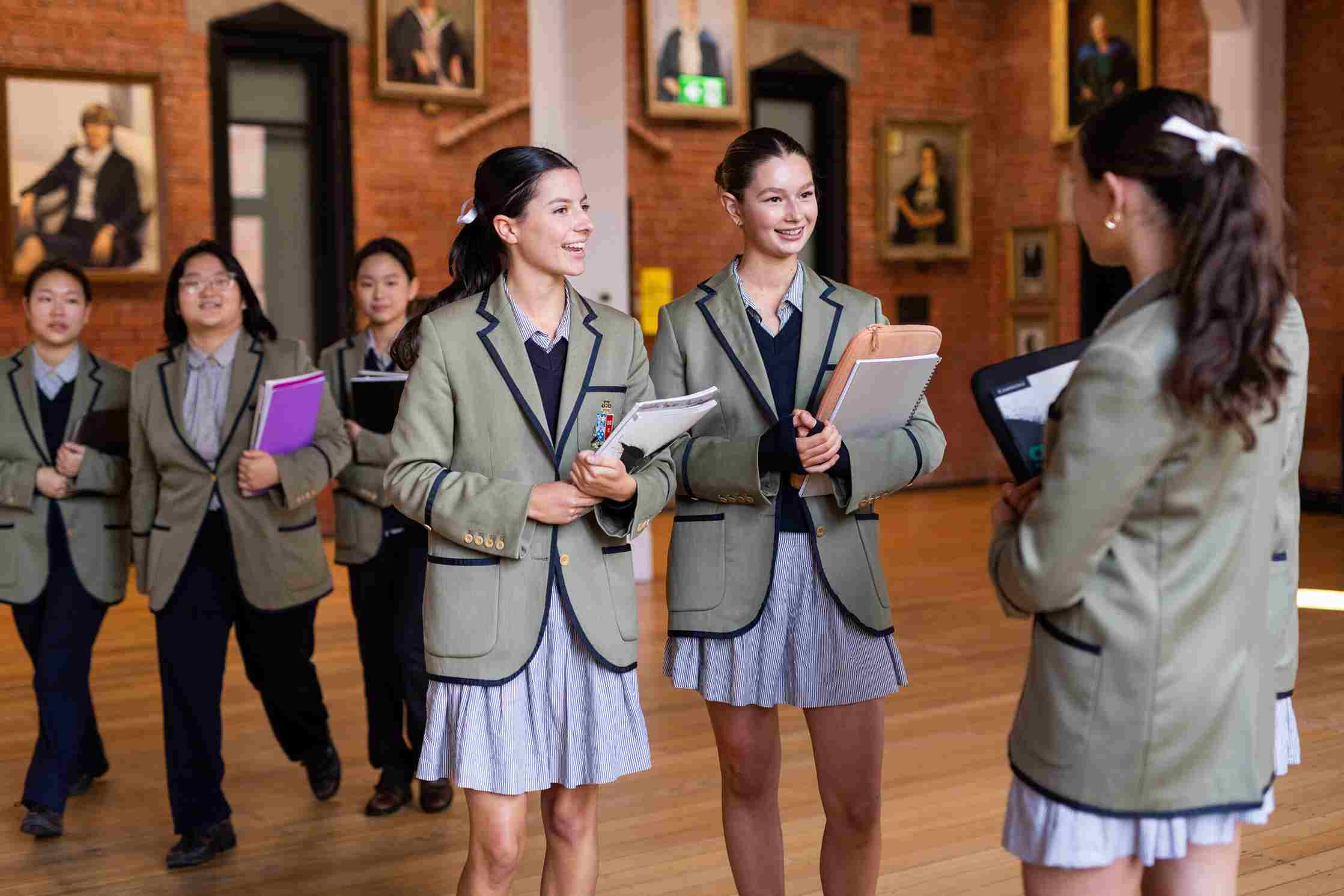
Education today is increasingly focused on preparing students not only for academic success but also for life beyond school. Families evaluating educational pathways often consider factors such as learning environments, wellbeing programs, co-curricular opportunities, and long-term student development. Within this context, the role of a Melbourne private school has evolved significantly.
Independent schools across Melbourne are increasingly recognised for combining structured academics with broader educational experiences that support confidence, resilience, leadership, and adaptability. Schools such as Firbank Grammar School provide useful examples of how modern independent education seeks to balance tradition with innovation while supporting students from early learning through senior education and boarding pathways.
What Defines a Melbourne Private School?
A Melbourne private school operates independently while following curriculum and educational standards established within Victoria’s education framework. These schools may differ in philosophy, size, facilities, and educational focus, but many share common characteristics.

Private schools often provide:
- Structured academic programs
- Student wellbeing frameworks
- Co-curricular opportunities
- Leadership and service programs
- Specialist learning facilities
- Pastoral care systems
- Smaller learning communities
The purpose of these environments is not solely to improve examination outcomes but to create educational experiences that support broader student growth.
Firbank Grammar School, established in 1909, is an independent Anglican school located in Melbourne’s Bayside area and provides education from Early Learning Centre to Year 12. Its learning journey includes both day and boarding school pathways while emphasising curiosity, wellbeing, and lifelong learning.
The Importance of Educational Continuity
One feature often associated with independent schooling is educational continuity. Students may progress through multiple learning stages within a connected school environment, allowing consistent educational philosophies and support systems.
Firbank’s learning journey spans:
- Early Learning Centre
- Junior School
- Senior secondary school education
- Boarding opportunities
This continuity can support smoother transitions between developmental stages and help students establish stronger connections with educators and school communities.
Educational continuity may also help schools build long-term wellbeing and learning strategies tailored to student development over time.
Secondary School Education and Adolescent Development
The secondary school years are widely recognised as a critical period in education. Adolescence brings academic, emotional, and social changes that shape future identity and learning habits.
Modern secondary education increasingly focuses on helping students:
- Develop independent thinking
- Strengthen communication skills
- Build emotional resilience
- Participate in collaborative learning
- Explore personal interests and career pathways
- Develop leadership and responsibility
Schools that support these areas often combine academic instruction with mentoring, co-curricular participation, and wellbeing frameworks.
Firbank identifies wellbeing as central to its educational philosophy and highlights personalised learning, co-curricular involvement, and experiential programs as important aspects of student development.
This reflects broader educational thinking that academic learning and emotional wellbeing are closely connected rather than separate priorities.
Boarding Schools and Independent Learning
A boarding school offers students both education and residential living within a structured school environment. Boarding has historically supported students from regional areas, interstate locations, and international communities seeking educational opportunities not available locally.
Boarding environments often help students develop:
- Independence and responsibility
- Time management
- Self-discipline
- Social confidence
- Community participation
- Study routines and organisation
Firbank is one of relatively few Victorian girls’ schools offering boarding and has maintained boarding as part of school life since its foundation. The Boarding House is situated on the Brighton Senior Campus and provides supervised study, wellbeing support, and access to school facilities.
Educational discussions around boarding frequently highlight both opportunities and responsibilities. Successful boarding environments generally combine academic support with pastoral care and community connection to help students adapt socially and emotionally.
Wellbeing as a Core Educational Priority
Wellbeing has become increasingly important in educational research and school policy. Many schools now recognise that emotional health and social connection influence engagement, motivation, and academic performance.
Student wellbeing programs may include:
- Counselling and pastoral care
- Mentoring systems
- Leadership opportunities
- Peer support programs
- Community engagement initiatives
- Safe and inclusive school practices
Firbank states that wellbeing is central to its policies and educational culture, with child safety, respectful relationships, and supportive learning environments forming part of everyday school practice.
Schools that prioritise wellbeing often aim to create environments where students feel known, supported, and confident in their learning.
Co-Curricular Learning and Holistic Development
Contemporary education increasingly recognises that meaningful learning happens both inside and outside the classroom.
Many independent schools integrate:
- Sport and physical education
- Performing arts
- Music and creative programs
- Community service
- Experiential learning
- Leadership and cultural activities
Firbank describes its approach as providing a balance between academic learning and real-life experiences that help students build curiosity, adaptability, and confidence. Its six domains, relationships, consideration, resilience, confidence, passion, and adaptability, reflect a holistic view of education that values personal development alongside academic achievement.
This approach aligns with broader educational research suggesting that co-curricular participation may strengthen belonging, teamwork, and engagement.
Diversity and Educational Communities
Another important aspect of contemporary education is diversity and inclusion. Schools increasingly recognise that students benefit from learning within communities that value different experiences, ideas, and backgrounds.
Firbank states that inclusiveness and diversity are important aspects of school culture and learning. The school highlights respect, compassion, and curiosity as part of its educational values.
Educational environments that support diversity may help students develop empathy, cultural awareness, and collaborative skills increasingly relevant in global communities.
Preparing Students for an Evolving Future
Education systems continue adapting to technological, social, and workforce change. Schools today are often expected to prepare students not only for university or employment but also for lifelong learning and uncertain futures.
Skills increasingly valued include:
- Adaptability
- Critical thinking
- Collaboration
- Creativity
- Communication
- Digital literacy
- Emotional intelligence
Schools that combine academics with wellbeing, co-curricular learning, and strong support systems often aim to help students become capable and flexible learners prepared for changing environments.
Conclusion
The role of a Melbourne private school today extends beyond academic instruction alone. Modern independent education increasingly combines wellbeing, co-curricular learning, leadership, and community engagement alongside classroom learning.

Through structured secondary school pathways and supportive boarding school environments, schools aim to help students develop not only knowledge but also confidence, resilience, and lifelong learning skills. Educational models that balance academic and personal growth continue to shape how schools prepare young people for future opportunities and challenges.