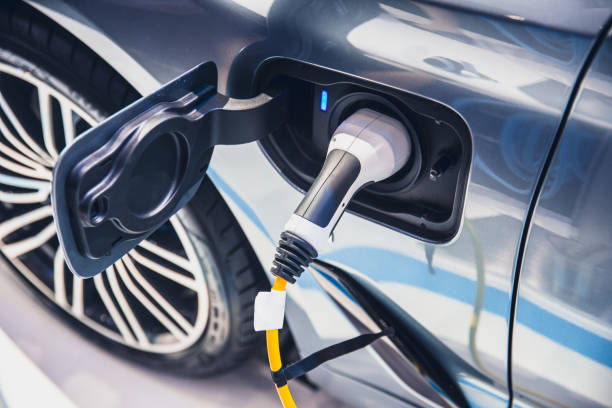
Electric vehicle battery recycling has become a critical topic as global adoption of electric mobility accelerates rapidly. Millions of batteries will reach end of life, creating both environmental risks and valuable opportunities.
Recycling focuses on recovering materials like lithium, cobalt, nickel, and manganese from used batteries. These elements are finite, costly to mine, and essential for producing new electric vehicle batteries.
By integrating recycling into the EV ecosystem, manufacturers can reduce waste, limit pollution, and support long term sustainability goals. This process strengthens the shift toward cleaner transportation worldwide.
Environmental Importance of Battery Recycling
Improper disposal of electric vehicle batteries can lead to soil contamination, water pollution, and fire hazards. Recycling helps prevent toxic leakage while ensuring batteries are handled safely and responsibly.
Mining raw materials for batteries consumes large amounts of energy and water. Recycling significantly lowers carbon emissions by reducing dependence on resource intensive extraction processes across different regions.
When recycling systems are scaled effectively, they contribute to a circular economy. Materials are reused repeatedly, minimizing environmental damage and aligning electric vehicles with broader sustainability objectives.
Recycling Technologies and Processes
Electric vehicle battery recycling involves mechanical, hydrometallurgical, and pyrometallurgical processes. Each method separates valuable metals while managing hazardous components under controlled industrial conditions.
Mechanical recycling breaks batteries into smaller parts for material separation. Hydrometallurgical techniques use chemical solutions to extract metals with higher efficiency and lower energy consumption.
Advancements in recycling technology are improving recovery rates and reducing costs. Innovation plays a vital role in making battery recycling more sustainable and economically viable at scale.
Economic and Industry Benefits
Battery recycling reduces supply chain risks by creating a secondary source of critical minerals. This stability helps manufacturers manage price fluctuations and geopolitical challenges related to raw material sourcing.
Recycled materials often cost less than newly mined resources. As recycling infrastructure grows, companies can lower production expenses while maintaining battery performance and quality standards.
The recycling industry also creates new jobs and investment opportunities. From collection to processing facilities, this sector supports economic growth alongside environmental responsibility.
Role of Policy and Consumer Awareness
Government policies strongly influence electric vehicle battery recycling adoption. Regulations, incentives, and extended producer responsibility programs encourage manufacturers to design batteries with recyclability in mind.
Clear standards for battery collection and recycling ensure consistency across regions. Policy support accelerates infrastructure development and builds trust among businesses and consumers alike.
Consumer awareness is equally important. Educating electric vehicle owners about proper battery disposal and recycling options helps close the loop and maximize sustainability benefits.
Future of Battery Recycling and Sustainability
As electric vehicle adoption continues to rise, battery recycling will become a cornerstone of sustainable mobility. Efficient systems will be essential to manage growing volumes of retired batteries.
Research into solid state and next generation batteries is also shaping recycling strategies. Designing batteries for easier disassembly improves recovery rates and reduces environmental impact.
In the long term, electric vehicle battery recycling supports a cleaner planet, resilient supply chains, and responsible innovation. It ensures electric mobility remains truly sustainable for future generations.