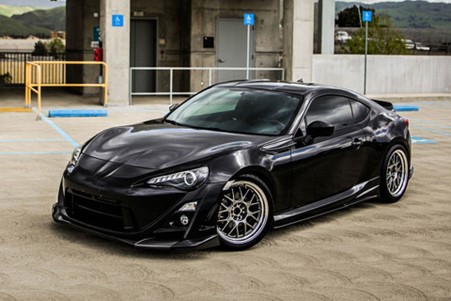
Welcome to the fascinating world of aftermarket turbo kits, where performance upgrades meet engineering precision. Among car enthusiasts, few brands receive as much admiration as Mercedes Benz. Known for its luxury, advanced technology, and powerful engineering, Mercedes vehicles offer an excellent foundation for performance modifications. One of the most popular upgrades among automotive enthusiasts is the installation of aftermarket turbo kits.
Aftermarket turbo kits open up a new dimension of vehicle performance. By improving airflow and engine efficiency, they can deliver increased power, enhanced torque, and a more responsive driving experience. For drivers who enjoy performance-oriented vehicles, turbocharging offers the opportunity to unlock additional potential from an already capable engine.
However, turbocharging is not without challenges. Installing a turbo kit requires careful planning, proper mechanical knowledge, and precise installation techniques. If done incorrectly, it may lead to engine complications or reduced reliability. It is also a common misconception that turbocharging automatically leads to dangerous driving speeds. In reality, the primary goal of a turbo system is to improve engine efficiency and performance rather than simply increasing speed.
Not every vehicle is suitable for turbocharging upgrades. Some cars lack the engine strength, internal components, or available space required for a turbo system. Fortunately, Mercedes Benz vehicles are often well suited for these upgrades due to their robust engineering and well-designed engine bays. For enthusiasts interested in maximizing their vehicle’s potential, turbocharging a Mercedes can be a rewarding project.
Understanding Turbochargers: A Brief Overview
Before diving into installation and upgrades, it is important to understand how turbochargers actually work. A turbocharger is a device designed to increase the amount of air entering the engine, which allows for more efficient combustion.
A turbocharger consists of two main components: a turbine and a compressor. These components are connected by a shared shaft. The turbine is powered by the exhaust gases produced by the engine. As exhaust gases flow through the turbine, they spin it at very high speeds.
This spinning motion drives the compressor, which draws in fresh air and compresses it before sending it into the engine’s intake system. Because the air is compressed, more oxygen enters the combustion chamber. This allows the engine to burn more fuel efficiently, resulting in increased power output.
Mercedes vehicles are particularly compatible with turbochargers because of their advanced engine design. Many Mercedes engines are built with strong internal components capable of handling higher pressure and increased airflow. Additionally, their well-planned engine compartments often provide sufficient space for installing aftermarket turbo kits.
This compatibility makes Mercedes a popular choice among automotive enthusiasts looking to enhance performance through turbocharging.
Why Turbocharge Your Mercedes?
Many drivers wonder whether installing a turbo kit is truly worth the effort and investment. The answer largely depends on what you want to achieve from your vehicle.
One of the most significant benefits of turbocharging is the increase in engine power. By forcing more air into the engine, turbochargers enable more fuel to be burned during each combustion cycle. This process generates additional power and torque, improving acceleration and overall performance.
Another advantage is improved engine efficiency. Turbocharged engines can produce the same level of performance as larger naturally aspirated engines while using less fuel. This means drivers may enjoy both improved power and better fuel efficiency under certain driving conditions.
Turbocharging can also enhance the overall driving experience. The increased responsiveness and improved acceleration can make everyday driving more enjoyable, particularly for enthusiasts who appreciate performance-oriented vehicles.
Additionally, turbocharged engines often perform better at higher altitudes. Since turbochargers compress incoming air, they help compensate for thinner air conditions, allowing the engine to maintain performance levels more effectively.
Choosing the Right Mercedes Aftermarket Turbo Kit
Selecting the right turbo kit for your Mercedes is an important step in the upgrade process. With numerous aftermarket options available, it is essential to carefully evaluate your choices before making a purchase.
One of the first factors to consider is your budget. Turbo kits can vary widely in price depending on the brand, quality, and included components. While budget-friendly options may be appealing, investing in a high-quality kit often leads to better performance and reliability in the long run.
Vehicle compatibility is another crucial factor. Each Mercedes Turbo Aftermarket Parts model has its own engine configuration, and turbo kits must be specifically designed to fit the vehicle’s layout. Choosing a kit designed for your exact model ensures easier installation and proper functionality.
The quality of materials used in the kit should also be considered. High-quality turbo kits often include durable components such as stainless steel exhaust manifolds, reinforced hoses, and efficient intercoolers. These components help ensure the turbo system performs reliably under high temperatures and pressure.
Finally, consider your performance goals. Some turbo kits are designed for moderate performance improvements, while others aim for maximum horsepower gains. Understanding your expectations will help you select a kit that aligns with your desired results.
Step-By-Step Guide to Installing Your Turbo Kit
Installing a turbo kit is a relatively complex process that involves multiple components and precise adjustments. For most vehicle owners, professional installation is strongly recommended. Experienced technicians have the necessary tools and expertise to ensure the turbo system is installed correctly and safely.
Professional installers can also perform essential engine tuning and calibration to optimize performance and prevent potential engine damage. This step is particularly important because turbocharged engines require proper fuel management and airflow adjustments.
However, experienced automotive enthusiasts may choose to perform the installation themselves. If you decide to pursue a DIY installation, it is essential to approach the process carefully and thoroughly.
Start by reviewing the installation manual provided with the turbo kit. Manufacturers often include detailed instructions and diagrams to guide users through the installation process. In addition, many online resources provide visual guides, including charts, step-by-step photographs, and instructional videos.
These resources can help clarify complex steps such as installing the turbocharger, connecting intercooler piping, and integrating the turbo system with the engine’s intake and exhaust components.
Taking your time and carefully following instructions is essential for a successful installation.
Post-Installation: What to Expect
After successfully installing your aftermarket turbo kit, drivers often notice an immediate improvement in vehicle performance. The engine receives compressed air from the turbocharger, allowing it to generate greater power and improved acceleration.
Many drivers report that the vehicle feels more responsive, especially when accelerating or merging onto highways. The increased airflow allows the engine to produce more torque, resulting in stronger performance across a wider range of speeds.
However, it is normal for the vehicle to go through a brief adjustment period after installation. Some drivers may notice changes in exhaust sound due to the increased airflow and pressure within the system.
In addition, a small amount of turbo lag may occur. Turbo lag refers to the short delay between pressing the accelerator and the turbocharger delivering full boost. This delay is common in many turbocharged vehicles and is generally minimal with modern turbo systems.
With proper tuning and regular driving, the engine typically adapts to the new turbo system and delivers consistent performance.
Maintenance and Care for Your Turbocharged Mercedes
Maintaining a turbocharged Mercedes requires attention to several important maintenance tasks. Regular servicing helps ensure that the turbo system continues to operate efficiently and reliably.
Oil changes are one of the most critical aspects of turbocharged engine maintenance. Turbochargers operate at extremely high speeds and temperatures, making proper lubrication essential. Using high-quality engine oil and following recommended service intervals can significantly extend the life of the turbo system.
Other components such as spark plugs, air filters, and coolant should also be inspected regularly. Clean air filters help maintain proper airflow to the engine, while functioning spark plugs ensure efficient combustion.
Drivers should also pay attention to unusual noises, smoke, or sudden changes in performance. These warning signs may indicate potential issues with the turbocharger or other engine components.
Addressing problems early can prevent costly repairs and help maintain the vehicle’s long-term reliability.
Turbocharging Stories from Mercedes Enthusiasts
Many Mercedes enthusiasts who have installed turbo kits describe the experience as both exciting and rewarding. From the initial research phase to the final installation, turbocharging can be a satisfying journey for car enthusiasts.
Some drivers focus on improving track performance, while others simply enjoy the enhanced responsiveness during everyday driving. Hearing firsthand experiences from fellow enthusiasts can provide valuable insights into the turbocharging process.
These stories often highlight the importance of selecting quality components, performing proper installation, and maintaining the vehicle carefully after the upgrade.
Conclusion
Turbocharging your Mercedes Benz can significantly enhance your vehicle’s performance and driving experience. By increasing the amount of air entering the engine, turbo systems allow for greater power output while maintaining efficient fuel consumption.
However, successful turbocharging requires thoughtful planning. Choosing the right aftermarket turbo kit, ensuring proper installation, and maintaining the engine regularly are all essential steps in the process.
With the right approach, turbocharging can transform the performance of your Mercedes while preserving the reliability and engineering excellence the brand is known for. For automotive enthusiasts seeking greater power and excitement behind the wheel, turbocharging remains one of the most rewarding performance upgrades available.