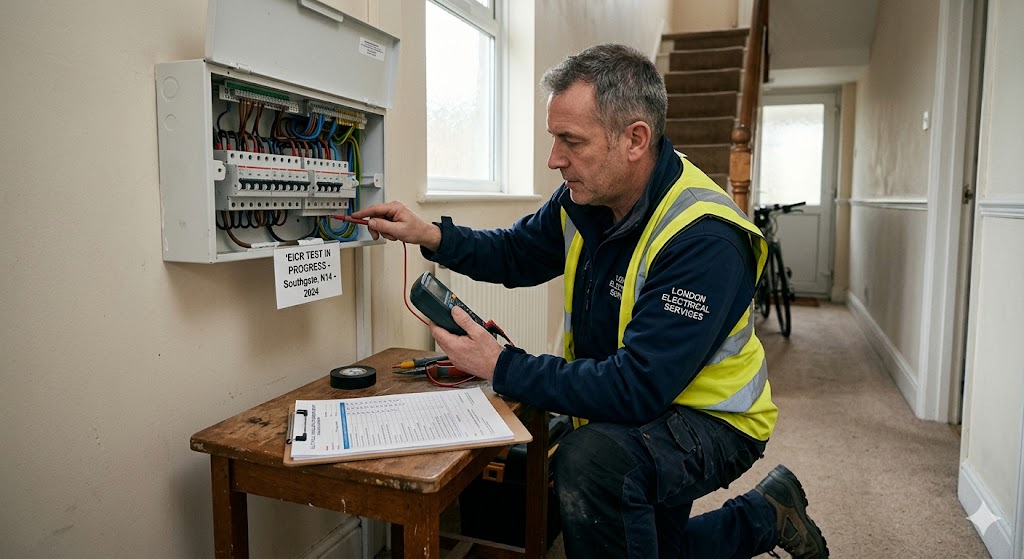
When it comes to electrical safety in residential and commercial properties, an Electrical Installation Condition Report (EICR) is not just a legal requirement—it’s a critical safeguard. At London Property Inspections, we’ve worked with landlords, homeowners, and businesses across Hackney to ensure properties meet the highest safety standards.
Understanding the Hackney Property Landscape
Hackney’s property market is diverse, and that directly impacts EICR in Hackney outcomes.
Common Property Types & Risks:
- Victorian/Edwardian homes
- Outdated wiring (rubber or fabric insulated cables)
- Lack of earthing
- Converted flats
- Shared circuits
- Overloaded consumer units
- HMOs (Houses in Multiple Occupation)
- High electrical demand
- Increased wear and tear
- New builds
- Generally compliant but may have installation defects
Expert Insight: Older properties are more likely to receive unsatisfactory EICR in Hackney reports, especially if not upgraded in the last 20–30 years.
Deep Dive: What Inspectors Actually Test
An EICR is not a visual check—it involves dead testing and live testing.
1. Dead Testing (Power Off)
- Continuity of conductors
- Insulation resistance
- Polarity checks
2. Live Testing (Power On)
- Earth fault loop impedance
- RCD performance
- Voltage levels
3. Visual Inspection
- Signs of overheating
- Damaged cables
- DIY electrical work
💡 These tests ensure your system can safely handle electrical loads and respond correctly to faults.
Understand Load Demand & Circuit Design
Many Hackney properties fail EICR in Hackney due to overloaded circuits.
Warning Signs:
- Frequent tripping
- Extension lead overuse
- Warm sockets or switches
Best Practice:
- Distribute load across circuits
- Install dedicated circuits for:
- Electric showers
- Cookers
- EV chargers
💡 Future-Proofing: With rising EV adoption, consider upgrading your system now.
Invest in Periodic Upgrades (Not Just Repairs)
A reactive approach costs more in the long run.
Strategic Upgrades:
- Replace outdated wiring
- Install surge protection devices (SPDs)
- Upgrade to metal consumer units (fire-resistant)
Why This Matters:
- Reduces risk of fire
- Improves EICR ratings
- Enhances property value
EICR for Landlords – Legal Compliance Strategy
Landlords in Hackney must comply with the Electrical Safety Standards in the Private Rented Sector (England) Regulations 2020.
Legal Requirements:
- Valid EICR every 5 years
- Provide report to tenants within 28 days
- Complete remedial work within 28 days (or sooner if specified)
Penalties:
- Fines up to £30,000 for non-compliance
💡 Expert Advice: Always keep digital and physical copies of reports to avoid legal complications.
Handling Unsatisfactory Reports
If your EICR in Hackney is marked unsatisfactory, don’t panic—but act fast.
Step-by-Step Response:
- Review the report in detail
- Prioritize C1 (immediate danger) issues
- Schedule urgent repairs
- Re-test after corrective work
Common Causes of Failure:
- No RCD protection
- Poor earthing
- Damaged wiring
- Overloaded circuits
Minimize Tenant Disruption
Tenant experience matters—especially in competitive rental markets like Hackney.
Professional Approach:
- Schedule inspections during convenient hours
- Combine with other maintenance visits
- Provide clear timelines
Bonus Tip:
Offer tenants a simple explanation of findings—it builds trust and reduces complaints.
EICR for Property Buyers & Investors
If you’re buying property in Hackney, an EICR is a powerful negotiation tool.
Why Buyers Should Always Request One:
- Identifies hidden electrical issues
- Helps estimate repair costs
- Strengthens price negotiations
💡 Investor Insight: Properties with outdated electrics may be cheaper—but require significant upgrades.
What is an EICR and Why It Matters
An EICR in Hackney is a detailed inspection of a property’s electrical systems and installations. It evaluates:
- Wiring condition
- Electrical accessories (sockets, switches)
- Fuse boards / consumer units
- Earthing and bonding
In areas like Hackney, where many properties range from historic conversions to modern flats, electrical systems can vary significantly in age and condition. Regular inspections ensure:
- Compliance with UK regulation
- Reduced fire and shock risks
- Insurance validity
- Tenant safety and confidence
Don’t Wait Until It’s Overdue
One of the most common mistakes property owners make is delaying their EICR.
Best Practice:
- Rental properties: Every 5 years (legal requirement)
- Owner-occupied homes: Every 10 years (recommended)
- Commercial properties: Every 3–5 years depending on usage
💡 Pro Tip: Book your next inspection before your current certificate expires to avoid compliance gaps and penalties.
Choose a Qualified and Experienced Inspector
Not all electricians are equally qualified to perform EICRs.
What to Look For:
- NICEIC or NAPIT registered electricians
- Proven experience in EICR in Hackney inspections
- Familiarity with BS 7671 wiring regulations
At London Property Inspections, our engineers are fully certified and experienced with Hackney’s diverse property types.
Prepare Your Property Before the Inspection
Preparation can speed up the process and reduce costs.
Checklist:
- Ensure access to all rooms
- Clear space around fuse boards
- Inform tenants in advance
- Label circuits if possible
This minimizes delays and avoids additional call-out charges.
Understand EICR Codes (C1, C2, C3, FI)
Your EICR report will include classification codes. Understanding them is essential.
- C1 (Danger Present): Immediate action required
- C2 (Potential Danger): Urgent repairs needed
- C3 (Improvement Recommended): Not mandatory but advised
- FI (Further Investigation): Additional inspection required
Best Practice:
- Act immediately on C1 and C2 issues
- Address C3 issues proactively to prevent future problems
Don’t Ignore Minor Issues
Many property owners overlook C3 recommendations—but this can be costly long-term.
Why It Matters:
- Small issues can escalate into major hazards
- Future inspections may classify them as C2
- Improves property value and tenant satisfaction
Upgrade Old Consumer Units
Hackney has many older properties with outdated fuse boards.
Modern Upgrade Benefits:
- RCD protection (life-saving feature)
- Better fault detection
- Compliance with latest regulations
💡 If your consumer unit is more than 20–25 years old, consider upgrading—even if not immediately required.
Keep Documentation Organized
Proper documentation is crucial for landlords and property managers.
Keep Records Of:
- Previous EICRs
- Repair invoices
- Electrical certificates
Why?
- Required for legal compliance
- Helps track recurring issues
- Useful during property sales
Combine EICR with Other Safety Checks
Maximize efficiency by scheduling inspections together.
Combine With:
- PAT testing
- Fire alarm checks
- Gas safety inspections
This reduces disruption for tenants and can lower overall costs.
Communicate Clearly with Tenants
For rental properties in Hackney, tenant communication is key.
Best Practices:
- Give at least 24–48 hours’ notice
- Explain the purpose of the inspection
- Share results when completed
This builds trust and ensures smooth access for engineers.
Work with a Reliable Local Company
Local expertise matters. Properties in Hackney often have:
- Period wiring systems
- Conversions with mixed installations
- High tenant turnover
London Property Inspections understands these local challenges and provides tailored solutions that meet both safety and compliance needs.
Common Mistakes to Avoid
- Hiring unqualified electricians
- Ignoring failed reports
- Delaying remedial work
- Not budgeting for upgrades
- Losing documentation
Avoiding these mistakes can save you time, money, and legal trouble.
Why Choose London Property Inspections?
- Certified and experienced engineers
- Fast turnaround times
- Transparent pricing
- Detailed, easy-to-understand reports
- Strong reputation across Hackney
We don’t just inspect—we help you stay compliant and safe.
Final Thoughts
An EICR in Hackney is more than a compliance checkbox—it’s a critical investment in safety and property value. By following these expert tips and working with professionals like London Property Inspections, you can ensure your property in Hackney remains safe, compliant, and future-proof.
If you’re due for an inspection or need expert advice, now is the time to act.
FAQs
1. How long does an EICR take?
Typically 2–4 hours depending on property size and complexity.
2. What happens if my property fails?
You’ll need to fix C1/C2 issues and obtain a satisfactory report after repairs.
3. Is EICR mandatory for landlords?
Yes, under UK law, rental properties must have a valid EICR every 5 years.
4. How much does an EICR cost in Hackney?
Costs vary based on property size, but investing in a professional inspection prevents costly repairs later.
5. Can tenants stay during the inspection?
Yes, but power may be temporarily switched off for testing.
6. Do I need an EICR for selling a property?
It’s not mandatory, but highly recommended to reassure buyers.