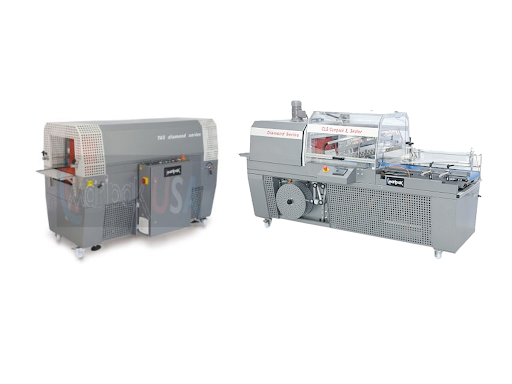
In modern packaging operations, efficiency and speed are critical. Businesses constantly seek ways to reduce downtime and enhance productivity, and shrink wrap machines play a pivotal role in achieving these goals. Designed to streamline the packaging process, these machines deliver consistent results while minimizing manual labor, making them essential across industries from food and beverage to electronics. By automating film application and sealing, wrap machines ensure products are securely packaged in a fraction of the time required by manual methods.
Enhanced Speed and Consistency
One of the primary advantages of using shrink wrap machines is the significant increase in throughput. Manual packaging is often slow and prone to inconsistencies, which can lead to product damage and material waste. Automated machines maintain uniform film tension and precise sealing, reducing errors and speeding up production. The consistency these machines provide ensures each package meets quality standards, which is particularly important for businesses shipping large volumes of products. Faster cycle times and reliable sealing directly translate to higher output and improved efficiency on the production floor.
Reduction in Labor Requirements
Integrating shrink wrap machines into packaging lines reduces the need for extensive manual labor. Traditionally, workers would handle multiple packaging tasks, including cutting film, wrapping, and sealing products. Automated systems consolidate these tasks, allowing a smaller workforce to manage more units per hour. This reduction in labor not only lowers operational costs but also reduces the risk of workplace injuries associated with repetitive-motion tasks. Companies can allocate labor resources more strategically, focusing on quality control and other value-added activities while the machines handle the repetitive packaging processes.
Versatility and Adaptability
Modern shrink wrap machines are designed to accommodate a wide variety of product sizes and shapes. This versatility allows manufacturers to switch between product lines without significant downtime or the need for multiple specialized machines. Machines can handle delicate items, irregular shapes, and multi-pack products with minimal adjustments. The ability to quickly adapt to changing production demands ensures that packaging operations remain efficient, even during peak periods. This adaptability is particularly valuable for businesses that handle seasonal products or customized orders.
Integration with Shrink Bundlers
For operations requiring bundled packaging, the use of a shrink bundler complements standard shrink wrap machines. A shrink bundler allows multiple items to be grouped together and securely wrapped, creating a single, cohesive package. This integration not only enhances the visual appeal of products but also improves logistics efficiency by reducing the number of individual units that need to be handled during storage and transportation.
Improved Inventory Management
Implementing shrink wrap machines also contributes to better inventory management. By ensuring uniform packaging and reliable sealing, these machines reduce product loss due to damage or contamination. Accurate and consistent packaging makes it easier to track units, manage stock levels, and plan shipments efficiently. This level of control allows businesses to maintain optimal inventory turnover and respond quickly to market demand, supporting overall operational efficiency without compromising product quality.
Maintenance and Long-Term Efficiency
Efficient shrink wrap machines are designed for easy maintenance, minimizing downtime. Regular servicing and quick access to replacement parts help maintain continuous production and protect the investment in automated equipment. Advanced machines also incorporate energy-efficient features, reducing utility costs while maintaining high performance. The combination of reliability, ease of maintenance, and energy efficiency makes these machines a long-term solution for businesses seeking to maintain high throughput.
Conclusion
Investing in shrink-wrap machines significantly improves throughput efficiency by automating labor-intensive tasks, ensuring consistent packaging quality, and accommodating a range of product types. When paired with a shrink bundler, these machines further optimize packaging operations by enabling bundled product packaging, improving handling and transport efficiency. By adopting these technologies, businesses can achieve faster production cycles, reduce operational costs, and maintain a competitive edge in today’s fast-paced manufacturing environm