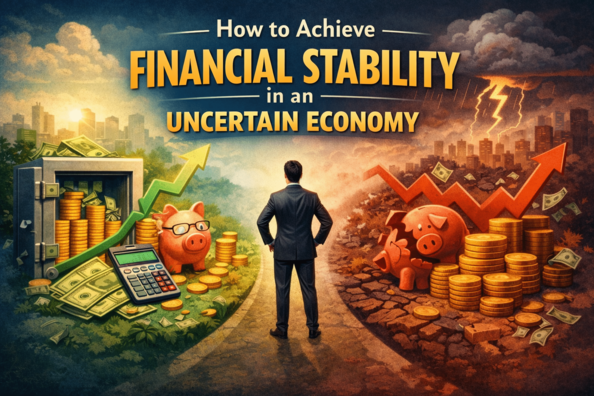
The economy’s been tough lately. Inflation’s all over the place, job markets keep shifting, and trying to predict what happens next feels like throwing darts blindfolded. But here’s the thing, financial stability isn’t about knowing the future. It’s about building systems that hold up no matter what gets thrown your way.
Some people track every stock market move. Others budget down to the penny. And yeah, some folks explore different approaches to understand favorable periods for financial decisions. Whatever your method, the goal stays the same: create enough cushion and structure so you’re not constantly stressed about money. Let’s break down how to actually get there.
Build an Emergency Fund Like Your Life Depends on It
Because honestly, it kind of does. An emergency fund is the difference between a crisis and an inconvenience. Car breaks down? Annoying, but you’ve got it covered. Sudden medical bill? Stressful, but manageable.
Start small if you have to. Even some money sitting in a separate account gives you breathing room. Work your way up to three months of expenses, then six. This isn’t about getting rich. It’s about not going broke when life does its thing.
The uncertain economy makes this even more critical. Jobs that seemed secure vanish overnight. Industries shift. Having cash reserves means you’re not making desperate decisions from a position of panic.
Diversify Your Income Streams
Relying on one paycheck in this economy? That’s putting all your eggs in one basket, and the basket’s looking pretty wobbly. The people who weather uncertainty best usually have multiple ways money flows in.
This doesn’t mean working three full-time jobs and burning out. It means building options. Maybe it’s a side gig that uses skills you already have. Freelancing on weekends. An investment that generates passive income. Even a small second stream adds security.
When one source takes a hit, the others keep you afloat. It’s not about grinding 24/7. It’s about strategic diversification that protects you when things get shaky.
Control What You Can Control
You can’t control inflation. You can’t control whether the stock market crashes tomorrow. You can’t control if your industry gets disrupted. But you absolutely can control your spending habits, your savings rate, and your financial decisions.
Track where your money actually goes. Not where you think it goes, where it really goes. Most people have no clue they’re dropping $200 a month on subscriptions they forgot about or takeout that adds up fast.
Cut the stuff that doesn’t matter. Keep the stuff that does. Redirect that money into savings or paying off debt. Small changes compound over time into serious stability.
Get Smart About Debt
Debt isn’t automatically bad, but bad debt will absolutely wreck your financial stability. High-interest credit cards? That’s bad debt eating your future. A reasonable mortgage or student loans at low rates? That’s manageable debt.
In an uncertain economy, carrying tons of high-interest debt is like trying to swim with weights tied to your ankles. Every extra dollar you pay in interest is a dollar that could’ve gone toward building security.
Pay off the worst debt first. The stuff charging you 20% interest needs to die before anything else. Once that’s gone, your monthly cash flow opens up dramatically, giving you way more flexibility to handle whatever comes next.
Invest, But Don’t Gamble
There’s investing, and then there’s gambling. Investing is putting money into solid assets that grow over time. Gambling is throwing cash at whatever’s trending on social media, hoping to get rich quickly.
In uncertain times, people get desperate and make stupid decisions. They chase hot tips, buy into hype, and dump everything into one risky bet. Don’t be that person. Boring, diversified investments might not be exciting, but they actually work.
Index funds, retirement accounts, maybe some real estate if that makes sense for you. Build wealth slowly and steadily instead of swinging for home runs and striking out.
Keep Learning and Adapting
The economy changes. Industries evolve. Skills that were valuable five years ago might be obsolete now. Staying financially stable means staying relevant.
Invest in yourself. Learn new skills. Stay current in your field. Be willing to pivot when needed. The people who get left behind are the ones who refuse to adapt and then wonder why opportunities dried up.
This doesn’t mean constantly chasing every new trend. It means being aware of where things are heading and making sure you’re not stuck with outdated knowledge in a world that moved on.
Consider Timing for Major Financial Moves
Here’s where things get interesting. Some people plan major financial decisions around practical factors like market conditions and personal readiness. Others also talk to an astrologer to understand if the timing aligns with favorable planetary periods.
Whether you believe in astrology or not, the underlying principle makes sense: don’t rush big money moves. Buying a house, switching careers, starting a business, major investments. These deserve careful timing, not impulsive action.
If consulting an astrologer helps you feel confident about timing, that’s valid. If you’d rather analyze economic data and personal circumstances, that works too. Either way, being deliberate about when you make major financial moves beats acting randomly and hoping for the best.
Build Skills That Translate Across Industries
Economic uncertainty often means entire sectors can struggle while others boom. Having skills that work in multiple industries gives you options when things shift.
Communication, problem-solving, technical literacy, project management. These travel well. If your current industry tanks, you can pivot somewhere else instead of being stuck.
Specialization has its place, but in uncertain times, flexibility is gold. Be good at something specific, but also be capable enough to shift if needed.
Protect What You’ve Built
Insurance isn’t sexy, but it’s essential. Health insurance keeps medical bills from destroying everything you’ve saved. Disability insurance protects your income if you can’t work. Life insurance takes care of people who depend on you.
People skip insurance because it feels like wasted money when nothing goes wrong. But when something does go wrong, it’s the difference between recovering and going bankrupt.
In an uncertain economy, protection matters more than ever. Don’t leave gaps that one bad event could exploit.
Stay Calm and Think Long-Term
Panic is expensive. People make terrible financial decisions when they’re scared. They sell investments at the bottom. They make desperate career moves. They blow their savings on things that don’t matter.
Financial stability comes from keeping your head when everyone else is losing theirs. Yes, things are uncertain. They’ve always been uncertain. Build your foundation, stick to your plan, and don’t let short-term chaos derail long-term progress.
Some people find calm through meditation. Others through careful planning. Some talk to an astrologer to gain perspective on challenging periods and when things might shift. Whatever keeps you grounded and prevents panic decisions, use it.
Bottom Line: Stability Is Built, Not Found
Financial stability in an uncertain economy isn’t about predicting the future perfectly. It’s about creating systems that work regardless of what happens. Emergency funds, multiple income streams, controlled spending, smart debt management, steady investing, continuous learning.
Stack these pieces together and you build something that can handle whatever the economy throws at you. It won’t happen overnight. It takes consistency, discipline, and patience. But it’s absolutely achievable.
Whether you rely on financial advisors, personal research, or talk to an astrologer for guidance on timing, what matters is taking deliberate action. Don’t just hope things work out. Build the stability yourself, piece by piece. Because in an uncertain world, that’s the only real security there is.