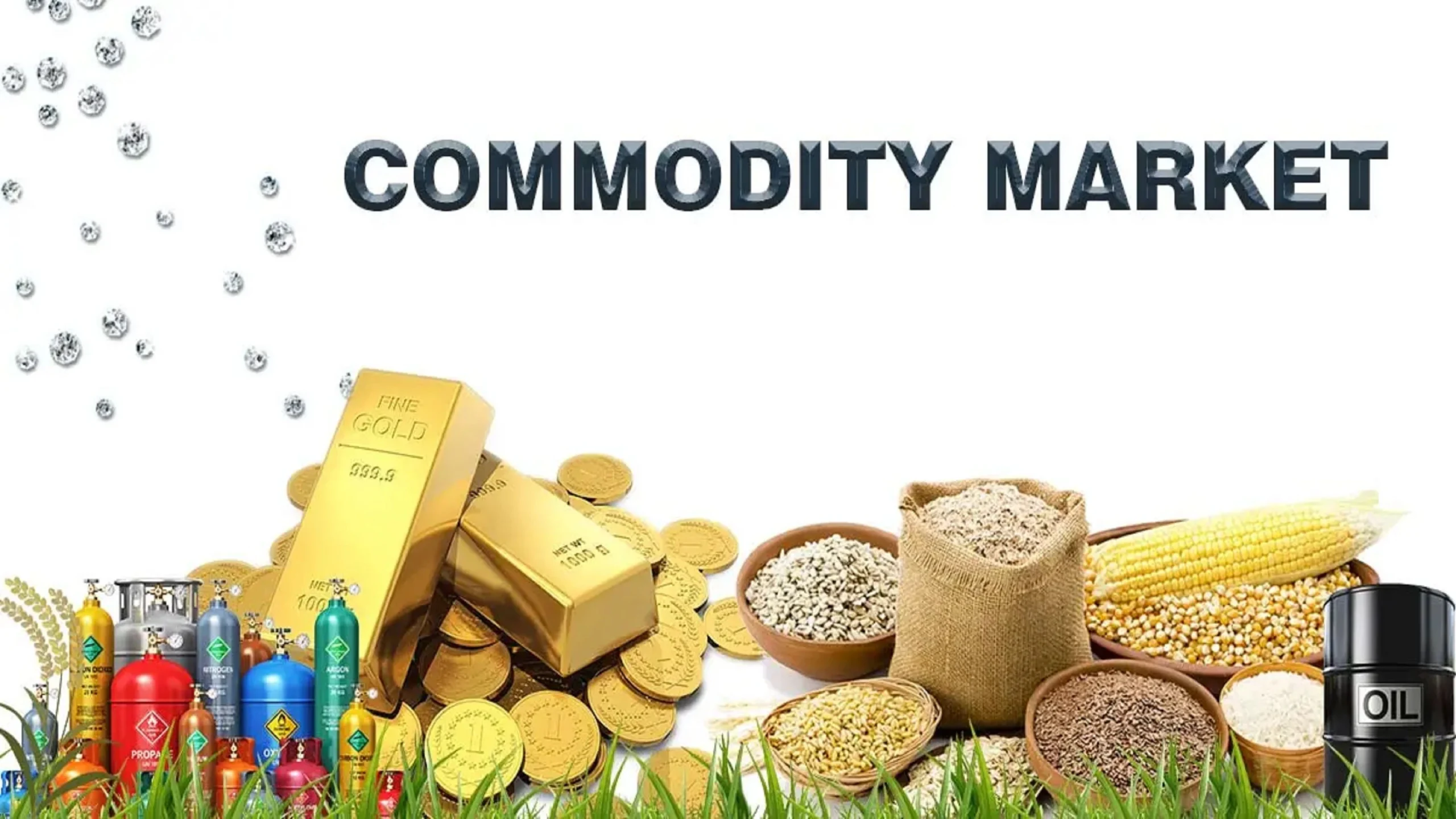
The Indian commodity market has evolved into a dynamic and technology-driven ecosystem that attracts traders, hedgers, investors, and institutions alike. From gold and crude oil to agricultural products and base metals, commodities play a crucial role in shaping India’s economic landscape. With increasing retail participation and digital trading platforms, tracking the Indian commodity market live has become easier and more accessible than ever before.
In this blog, we’ll explore how the Indian commodity market functions, why live tracking matters, key commodities to watch, factors influencing price movements, and how modern tools like AI-driven research platforms are transforming the way traders make decisions. We’ll also look at how platforms like Pocketful are simplifying commodity trading for modern investors.
Understanding the Indian Commodity Market
The commodity market in India allows participants to trade standardized contracts of physical goods. These goods are broadly classified into:
- Precious Metals – Gold, Silver
- Base Metals – Copper, Zinc, Aluminium
- Energy Commodities – Crude Oil, Natural Gas
- Agricultural Commodities – Cotton, Turmeric, Soybean, Jeera
Commodity trading in India primarily takes place on exchanges like the Multi Commodity Exchange (MCX) and the National Commodity & Derivatives Exchange (NCDEX). These exchanges ensure transparency, price discovery, and risk management through futures and options contracts.
Unlike equities, commodities are deeply influenced by global supply-demand dynamics, geopolitical events, currency movements, and seasonal factors. This makes real-time tracking essential for informed decision-making.
Why Tracking the Indian Commodity Market Live Matters
In commodity trading, timing is everything. Prices can fluctuate rapidly due to global events, policy changes, weather conditions, or currency volatility. Monitoring the indian commodity market live enables traders to:
- React instantly to price movements
- Identify breakout patterns
- Monitor global cues affecting domestic prices
- Manage risk effectively
- Optimize entry and exit points
For example, crude oil prices may surge overnight due to geopolitical tensions in the Middle East. When markets open in India, traders who track live updates are better positioned to capitalize on the movement.
Similarly, gold prices may react to U.S. Federal Reserve announcements or inflation data. Without real-time tracking, traders may miss high-probability opportunities.
Key Commodities to Watch in India
1. Gold and Silver
Gold remains one of the most traded commodities in India. It serves as a hedge against inflation and currency depreciation. Silver, often called “the poor man’s gold,” also witnesses significant trading volume due to its industrial applications.
Live price tracking helps traders capitalize on intraday volatility driven by global economic indicators.
2. Crude Oil
Crude oil is highly sensitive to geopolitical developments, OPEC decisions, and global economic outlook. Since India imports a significant portion of its crude requirements, price fluctuations have a direct impact on the economy.
Tracking live crude oil prices allows traders to anticipate margin requirements and volatility spikes.
3. Agricultural Commodities
India is one of the largest producers of agricultural commodities. Seasonal changes, monsoon forecasts, and government MSP policies heavily influence prices. Monitoring real-time updates is especially important for agri-traders and hedgers.
4. Base Metals
Copper, aluminium, and zinc prices often reflect global industrial demand. Infrastructure spending, manufacturing growth, and global economic recovery trends directly affect these commodities.
Factors Influencing Commodity Prices in India
Understanding what drives commodity prices can significantly improve trading outcomes. Some of the major influencing factors include:
Global Market Trends
Since commodities are globally traded, international prices heavily impact domestic futures. For instance, gold prices on COMEX influence MCX gold futures.
Currency Fluctuations
The Indian Rupee’s performance against the U.S. Dollar affects import-heavy commodities like crude oil and gold.
Government Policies
Export-import restrictions, tariffs, and changes in GST or taxation can alter supply-demand dynamics.
Weather and Climate Conditions
Agricultural commodities are particularly sensitive to monsoon forecasts, droughts, and unseasonal rainfall.
Inflation and Interest Rates
Rising inflation often boosts demand for gold as a hedge. Central bank policies can significantly impact commodity price trends.
Keeping track of these variables alongside live price data creates a well-rounded trading strategy.
The Role of Technology in Modern Commodity Trading
Commodity trading has transitioned from open outcry systems to fully digital platforms. Today, traders rely on:
- Advanced charting tools
- Technical indicators
- Algorithmic strategies
- Real-time news feeds
- Mobile trading apps
The introduction of AI has further revolutionized trading strategies. Platforms offering ai stock market research analyze massive datasets, identify patterns, and generate insights that were previously difficult to detect manually.
AI-driven research tools can help commodity traders:
- Identify momentum shifts
- Detect unusual trading activity
- Analyze historical price correlations
- Predict volatility trends
By combining AI research with live market tracking, traders gain a competitive edge in a fast-moving environment.
Risk Management in Commodity Trading
While commodities offer high profit potential, they also carry significant risk due to leverage and volatility. Effective risk management is essential.
Here are a few key practices:
1. Use Stop-Loss Orders
Placing stop-loss orders helps minimize losses during sudden price reversals.
2. Diversify Across Commodities
Avoid concentrating capital in a single commodity. Diversification reduces exposure to sector-specific risks.
3. Monitor Margin Requirements
Commodity futures are margin-based contracts. Sudden volatility can trigger margin calls.
4. Stay Updated with Global News
Economic releases, geopolitical events, and policy decisions can impact prices instantly.
Tracking the Indian commodity market live ensures you remain informed and proactive rather than reactive.
How Pocketful Simplifies Commodity Trading
Modern traders need a reliable platform that combines ease of use with powerful tools. Pocketful is designed to offer seamless access to commodity markets, real-time price updates, and insightful analytics.
With intuitive dashboards, quick order execution, and integrated research tools, Pocketful enables traders to:
- Access live commodity prices
- Monitor multiple contracts simultaneously
- Execute trades efficiently
- Track portfolio performance
- Stay updated with market trends
For beginners, the platform provides simplified navigation and educational resources. For experienced traders, advanced charting tools and analytics offer greater control over trading strategies.
By integrating AI-driven research capabilities and live market feeds, Pocketful bridges the gap between data and actionable insights.
Commodity Trading vs Equity Trading: Key Differences
While both asset classes attract retail investors, they differ significantly:
| Feature | Commodity Trading | Equity Trading |
| Underlying Asset | Physical goods | Company shares |
| Leverage | High | Moderate |
| Volatility | Often higher | Generally stable |
| Influencing Factors | Global supply-demand | Company performance |
| Hedging Purpose | Strong | Limited |
Commodities are ideal for traders who prefer short-term volatility and macro-driven opportunities. Equities, on the other hand, may suit long-term wealth creation goals.
Future of the Indian Commodity Market
The Indian commodity market is poised for rapid growth due to:
- Increased retail participation
- Digitization of trading platforms
- Integration of AI and analytics
- Improved regulatory frameworks
- Rising awareness about portfolio diversification
As India’s economy expands, commodity consumption and production are expected to rise. This growth will likely enhance liquidity and trading volumes across exchanges.
The combination of real-time data, AI-powered insights, and user-friendly platforms like Pocketful will continue to democratize access to commodity trading.
Conclusion
The Indian commodity market offers vast opportunities for traders and investors willing to understand its dynamics. However, success in this space depends heavily on real-time tracking, informed decision-making, and disciplined risk management.
Monitoring the Indian commodity market live empowers traders to respond quickly to global developments, identify emerging trends, and manage volatility effectively. When combined with AI-driven research tools and reliable platforms like Pocketful, traders gain the confidence and clarity needed to navigate market fluctuations.
Whether you are a beginner exploring diversification or an experienced trader seeking short-term opportunities, staying informed and leveraging technology can significantly enhance your commodity trading journey.
As markets evolve in 2026 and beyond, the fusion of live tracking, data analytics, and AI research will define the future of smart commodity investing in India.