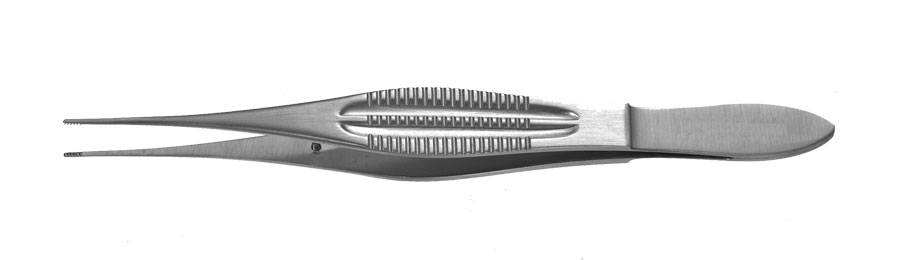
When it comes to delicate surgeries, particularly those involving the eye area, precision is paramount. Blepharoplasty, also known as eyelid surgery, is one of the most commonly performed cosmetic procedures worldwide. It aims to improve the appearance of the eyelids, whether by removing excess skin, fat, or muscle. For such intricate procedures, the right surgical tools are crucial, and one of the most important of these tools is blepharoplasty forceps.
In this guide, we will explore what blepharoplasty forceps are, their different types, and how they contribute to the success of eyelid surgery. We will also provide insights into how surgeons choose their instruments and the vital role they play in achieving aesthetically pleasing and functional results.
What are Blepharoplasty Forceps?
Blepharoplasty forceps are specialized surgical instruments designed for use during eyelid surgery. They are used for gripping and manipulating tissues around the eyes with precision and minimal trauma. These forceps are designed with the delicate anatomy of the eyelids in mind, ensuring that they can grasp tissues, such as skin and fat, without causing unnecessary damage.
Given that the skin around the eyes is thinner and more sensitive than other areas of the body, forceps used in blepharoplasty must be finely tuned for precision. Surgeons use these instruments to lift, hold, or reposition the tissues in a way that improves the overall aesthetic and function of the eyelid.
Types of Blepharoplasty Forceps
There are several different types of blepharoplasty forceps, each designed to serve a specific purpose during eyelid surgery. These include:
1. Spring Forceps
Spring forceps are among the most commonly used tools in blepharoplasty procedures. These forceps have a spring mechanism that helps them to open and close automatically, providing the surgeon with a secure grip on tissues. They come in different sizes and shapes to accommodate various aspects of the eyelid and surrounding areas. Their spring design ensures a firm grip while minimizing the need for constant pressure from the surgeon.
2. Sharp Forceps
Sharp forceps, as the name suggests, have finely honed tips designed to precisely hold tissues without tearing or crushing them. They are used to carefully pick up small portions of skin or fat during the procedure. These forceps are ideal for areas that require delicate tissue handling, such as when working with the eyelid’s thin skin or fat pads.
3. Blunt Forceps
Blunt forceps have rounded tips that allow surgeons to manipulate tissue without causing cuts or punctures. These are often used for more general purposes during blepharoplasty, such as lifting and moving tissues gently. They are particularly useful in cases where the surgeon needs to handle the skin with care without the risk of damaging it.
4. Toothed Forceps
Toothed forceps feature small, interlocking teeth at the tips, which help provide a secure hold on tissues. They are commonly used when precision is needed, such as during fat removal or when adjusting muscle tissue. Their toothed design ensures that the forceps stay in place during the procedure, which is important for preventing any unwanted movements that could affect the surgical outcome.
5. Non-Toothed Forceps
Non-toothed forceps have smooth tips that are used to handle tissues without leaving marks or indentations. These are especially useful when delicate handling is necessary, such as when working on sensitive areas around the eyes. They help prevent damage to the skin and surrounding structures, ensuring a smooth, aesthetic result.
The Role of Blepharoplasty Forceps in Eyelid Surgery
Blepharoplasty is a delicate procedure that involves modifying the eyelids to correct both functional and cosmetic issues. Forceps play a vital role in ensuring that the tissues are manipulated with the utmost care. Here are several key ways in which blepharoplasty forceps contribute to the success of eyelid surgery:
1. Precision and Control
Eyelid surgery requires an exceptional level of precision. Forceps provide the surgeon with the control needed to work in such a small and sensitive area. Whether the surgeon is removing excess skin, repositioning fat pads, or tightening muscles, forceps allow for accurate movements, minimizing the risk of complications.
2. Minimizing Tissue Damage
The skin around the eyes is delicate and prone to injury. With the use of specialized blepharoplasty forceps, surgeons can avoid unnecessary trauma to the tissues. The smooth or finely toothed tips of the forceps ensure that tissues are gripped without being crushed, stretched, or punctured.
3. Enhanced Visibility
During surgery, the surgeon needs to maintain a clear view of the area being worked on. Blepharoplasty forceps help lift and hold tissues in place, allowing the surgeon to work more efficiently and with better visibility. This is particularly important when performing tasks such as fat removal, which requires precision in order to avoid damaging surrounding structures.
4. Reduced Surgical Time
Using high-quality forceps that are well-designed for their purpose can also reduce the overall time spent in surgery. With better control over tissue manipulation, the surgeon can work more efficiently, making the procedure less time-consuming. This is especially important in cosmetic surgeries like blepharoplasty, where quicker healing times are a priority.
How Surgeons Choose the Right Blepharoplasty Forceps
Selecting the correct forceps is an important aspect of preparing for blepharoplasty surgery. Surgeons typically choose forceps based on the type of procedure they plan to perform, the area of the eyelid they are working on, and the specific needs of the patient. Here are some factors that influence the choice of forceps:
-
Surgical Approach: Whether the surgeon is focusing on the upper or lower eyelids will determine the type of forceps needed. The upper eyelid may require finer forceps for delicate work, while the lower eyelid may need slightly stronger forceps.
-
Patient’s Anatomy: The size and shape of the eyelid can vary from patient to patient, and this must be taken into account when choosing forceps. A patient with more excess skin or fat may require larger forceps for tissue manipulation.
-
Surgeon Preference: Experienced surgeons may have personal preferences based on the feel and functionality of different forceps. Some may prefer spring forceps, while others may favor sharp or toothed varieties for their precision.
Conclusion
Blepharoplasty forceps are indispensable tools in the world of eyelid surgery, offering surgeons the precision, control, and care needed to perform successful procedures. Whether used for delicate fat removal, skin repositioning, or muscle adjustments, these instruments ensure that the eyelids are altered with the utmost precision and minimal risk of complications. As one of the most important instruments in the operating room, the role of blepharoplasty forceps in cosmetic and functional eyelid surgery cannot be overstated.
By understanding the types and roles of these forceps, patients and medical professionals alike can appreciate the crucial role they play in achieving natural, aesthetically pleasing results in blepharoplasty surgery. Whether you’re a surgeon looking to refine your toolkit or a patient seeking to understand the intricacies of eyelid surgery, the importance of choosing the right forceps cannot be overlooked.