Introduction: Embracing the Timeless Charm of Kaftans
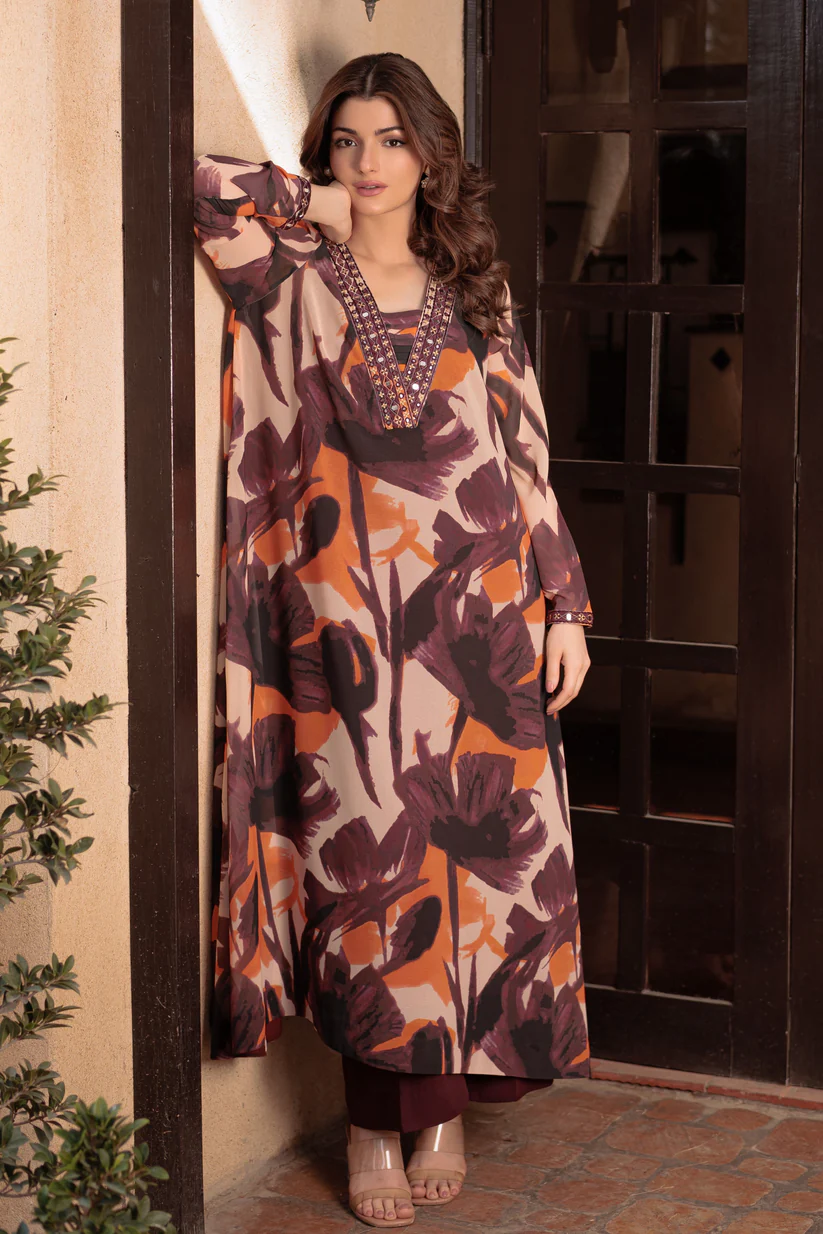
The kaftan, a flowing garment steeped in history and elegance, has captivated fashion enthusiasts worldwide. Known for its comfort, versatility, and rich cultural heritage, the kaftan is more than just a piece of clothing—it’s a statement. Whether it’s a casual day out, a festive occasion, or a glamorous evening party, the kaftan dress offers a perfect blend of style and ease.
Originating centuries ago, kaftans have transcended borders and eras, evolving into modern fashion staples while preserving their traditional charm. This comprehensive guide delves into the history, types, fabrics, styling tips, and maintenance of kaftans, empowering you to incorporate this timeless garment into your wardrobe with confidence.
Chapter 1: History of the Kaftan
The kaftan has a rich historical lineage that dates back to ancient Mesopotamia. It was originally worn as a practical garment to suit the hot climates of the Middle East and North Africa. The loose fit allowed for ventilation, while the luxurious fabrics and embellishments often indicated social status.
1.1 The Ottoman Influence
During the Ottoman Empire, kaftans became a symbol of royalty and power. Intricate embroidery, rich silks, and velvet fabrics made the kaftan dress a garment of prestige. Sultans, noblemen, and women adorned themselves in kaftans featuring elaborate patterns and gold threadwork. The garment’s design often reflected rank and social hierarchy, with certain colors and patterns reserved for royalty.
1.2 Kaftans Across Asia
Kaftans were not limited to the Middle East; they became popular in Asian cultures, particularly in India and Persia. Indian kaftans often featured colorful block prints, delicate embroidery, and luxurious fabrics like silk and chiffon. Persian kaftans were known for their intricate designs and use of metallic threads, making them a prized possession among the elite.
1.3 Modern Adaptations
Today, kaftans have been reimagined for global fashion. Designers around the world have embraced kaftans, creating contemporary kaftan dresses that blend traditional aesthetics with modern silhouettes. From casual cotton kaftans to ornate partywear styles, the kaftan continues to evolve while retaining its historical essence.
Chapter 2: Types of Kaftan Dresses
Kaftans are incredibly versatile, and understanding the different types can help you choose the perfect style for every occasion.
2.1 Casual Kaftans
Casual kaftans are designed for comfort and ease. Made from soft cotton, linen, or light chiffon, these kaftans are perfect for everyday wear, beach outings, or lounging at home. Casual kaftans often feature minimal embellishments but may include subtle embroidery, prints, or tassels to add charm.
2.2 Partywear Kaftans
For glamorous occasions, partywear kaftans are an ideal choice. These kaftan dresses are often made of silk, satin, or velvet and feature intricate beadwork, sequins, or embroidery. Floor-length designs, dramatic sleeves, and elegant cuts make them suitable for weddings, evening parties, and festive gatherings.
2.3 Designer Kaftans
Designer kaftans elevate this traditional garment into high fashion. Renowned fashion houses incorporate modern tailoring, luxury fabrics, and unique embellishments to create statement pieces. Designer kaftan dresses are perfect for those who want to stand out and make a sophisticated impression.
2.4 Embroidered Kaftans
Embroidery adds a layer of artistry to kaftans. From delicate floral patterns to geometric motifs, embroidered kaftans showcase craftsmanship and cultural heritage. These kaftan dresses are ideal for special occasions, combining elegance with traditional appeal.
2.5 Maxi vs. Midi Kaftans
-
Maxi Kaftans: Floor-length and flowing, offering a dramatic and elegant silhouette. Perfect for weddings and formal events.
-
Midi Kaftans: Shorter, typically calf-length, providing a casual yet chic look. Great for brunches, casual gatherings, and summer outings.
2.6 Men’s Kaftans
While women’s kaftans are widely popular, men’s kaftans also hold cultural significance. Often made from cotton or silk, men’s kaftans feature subtle embroidery or minimalistic designs. They are commonly worn for religious occasions or cultural festivals.
Chapter 3: Fabric and Material Guide
The choice of fabric plays a crucial role in defining the look and feel of a kaftan dress.
3.1 Cotton Kaftans
Soft, breathable, and ideal for hot climates, cotton kaftans are perfect for everyday wear. They are lightweight, easy to maintain, and often feature prints or minimal embroidery.
3.2 Silk Kaftans
Silk kaftans exude luxury and elegance. Perfect for weddings or evening events, silk drapes beautifully and feels soft against the skin. Embellished silk kaftans often feature sequins, beads, or embroidery for added glamour.
3.3 Chiffon Kaftans
Chiffon kaftans are light, airy, and ideal for casual and semi-formal occasions. Their flowy nature gives a graceful silhouette, making them a popular choice for summer wear.
3.4 Velvet and Satin Kaftans
Velvet and satin fabrics add richness and sophistication. Perfect for partywear kaftans, these materials often carry intricate embroidery or metallic accents to enhance their luxurious appeal.
Chapter 4: Styling Kaftans
Styling a kaftan dress can be both fun and versatile. Here are some tips to make the most of your kaftan wardrobe.
4.1 Casual Styling Tips
-
Pair cotton kaftans with flat sandals or espadrilles for a relaxed look.
-
Add a straw hat or a simple tote bag to enhance your casual style.
-
Layer with a denim jacket for a modern twist.
4.2 Party Styling Tips
-
Choose a silk or velvet kaftan dress with bold colors and embroidery.
-
Pair with heels and statement jewelry to elevate the look.
-
Add a clutch bag in a complementary color for a polished finish.
4.3 Accessorizing Kaftans
Accessories can transform a kaftan from simple to stunning:
-
Belts: Cinch the waist for a more defined silhouette.
-
Scarves & Shawls: Add layers and textures for an elegant appearance.
-
Jewelry: Statement necklaces, chandelier earrings, and bangles complement kaftans beautifully.
4.4 Footwear Options
-
Flat sandals for casual kaftans
-
Wedges or block heels for semi-formal kaftans
-
Stilettos or embellished heels for partywear kaftans
Chapter 5: Kaftans Around the World
The kaftan has become a global fashion phenomenon, embraced across continents.
5.1 Middle Eastern and North African Kaftans
Traditional kaftans from Morocco, Algeria, and other regions feature rich embroidery, luxurious fabrics, and flowing silhouettes. Moroccan kaftan dresses often include metallic threads, making them ideal for weddings.
5.2 Asian Kaftan Variations
Indian and Persian kaftans often feature block prints, silk fabrics, and colorful embellishments. They are versatile, worn for casual and festive occasions alike.
5.3 Western Adaptations
Western fashion designers have reimagined kaftans for contemporary style, incorporating minimalistic designs, pastel shades, and modern cuts. Celebrities often wear kaftan-inspired gowns on red carpets, highlighting the garment’s elegance and versatility.
Chapter 6: Buying Guide for Kaftans
Choosing the perfect kaftan dress requires attention to fabric, style, and occasion.
-
Fabric: Select cotton for comfort, silk for elegance, chiffon for casual flow, or velvet for luxury.
-
Fit: Ensure the kaftan drapes well and suits your body type.
-
Occasion: Casual kaftans for daywear, partywear kaftans for formal events, designer kaftans for statement looks.
-
Budget: From affordable online options to high-end designer kaftans, there’s something for every preference.
The History and Cultural Significance of Kaftan Dresses
The kaftan has a rich heritage dating back centuries. Originally worn in Mesopotamia, kaftans were symbols of status and wealth. Ottoman sultans wore intricately embroidered kaftans made of luxurious fabrics. Over time, the kaftan spread across North Africa, Persia, and South Asia, becoming an integral part of ceremonial and everyday attire.
Today, the kaftan represents elegance and comfort, blending traditional craftsmanship with contemporary fashion trends. It is worn across the world for weddings, parties, festive occasions, and casual luxury.
What Makes Kaftan Dresses Unique?
The beauty of a kaftan lies in its flowing silhouette, which suits all body types and provides comfort without compromising style. Key features include:
- Loose and flattering cut
- Decorative embroidery or prints
- Luxurious fabrics such as silk, chiffon, velvet, and georgette
- Adaptability for multiple occasions
Kaftans are more than just dresses—they are wearable art that combines heritage, fashion, and practicality.
Types of Kaftan Dresses
Traditional Kaftan
These feature intricate embroidery and classic patterns, suitable for weddings, cultural events, and formal gatherings.
Modern Kaftan
Modern kaftans incorporate minimalist embroidery, contemporary cuts, and neutral or pastel shades for parties and casual chic looks.
Bridal Kaftan
Designed with luxurious fabrics and heavy embellishments, bridal kaftans offer an elegant alternative to traditional wedding gowns.
Designer Kaftan
Luxury kaftans feature exclusive fabrics, high-end embroidery, and unique designs by fashion designers.
Casual Kaftan
Lightweight and comfortable kaftans suitable for daily wear, vacations, or relaxed gatherings.
Popular Fabrics for Kaftan Dresses
- Silk: Rich texture, ideal for weddings and evening wear
- Chiffon: Light and flowy, perfect for summer events
- Velvet: Luxurious and warm, suitable for winter occasions
- Georgette and Crepe: Comfortable, elegant, and easy to maintain
Styling Tips for Kaftan Dresses
Jewelry
Pair kaftans with statement earrings, cuffs, or minimalist jewelry depending on the embroidery and occasion.
Footwear
Heels, sandals, or flats can complement the kaftan’s look, depending on formal or casual settings.
Makeup and Hair
Soft glam makeup, natural dewy skin, and hairstyles like buns, waves, or braids enhance the kaftan’s elegance.
Global Fashion Trends in Kaftan Dresses
Kaftans are trending globally due to their versatility and comfort. Key trends include:
- Pastel and neutral color palettes
- Minimalist embroidery and clean designs
- Fusion styles combining Eastern and Western elements
- Sustainable fabrics and handcrafted details
Occasions to Wear Kaftan Dresses
- Weddings: Embellished or silk kaftans for bridal and guest wear
- Parties: Lightweight, stylish kaftans for evening events
- Festive Celebrations: Colorful and embroidered kaftans for cultural events
- Casual Outings: Comfortable cotton or chiffon kaftans for daily wear
Buying Guide for Kaftan Dresses
- Consider the occasion and level of embellishment
- Choose fabrics based on season and comfort
- Check fit, length, and silhouette
- Compare online and offline options for quality and convenience
- Verify return policies and customer reviews
Care and Maintenance of Kaftan Dresses
- Dry clean heavily embroidered or silk kaftans
- Store in breathable garment bags to avoid damage
- Avoid prolonged exposure to direct sunlight
- Handle delicate embroidery with care
- Iron lightly if necessary, using protective cloth
Frequently Asked Questions (FAQs)
Is a kaftan suitable for all body types?
Yes, its loose silhouette flatters everyone.Can kaftans be worn casually?
Absolutely, especially lighter fabrics with minimal embroidery.Are kaftans comfortable for long hours?
Yes, they provide comfort and freedom of movement.
Conclusion: Why Every Wardrobe Needs a Kaftan
Kaftans are timeless, versatile, and elegant garments that suit every style and occasion. Whether you’re attending a wedding, lounging at home, or stepping out for a casual day, a kaftan dress can effortlessly elevate your look. By understanding the history, types, fabrics, and styling options, you can confidently incorporate kaftans into your wardrobe and make a lasting fashion statement.