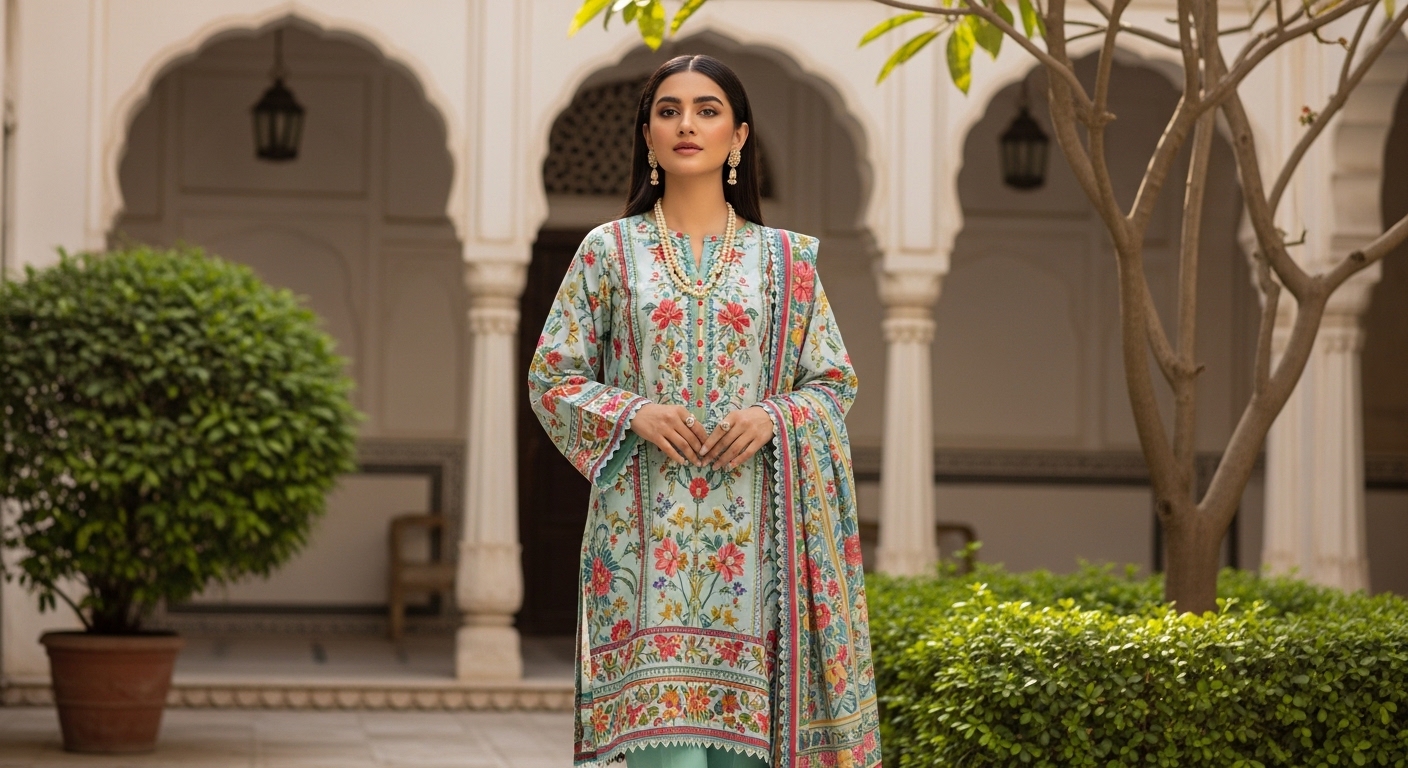
Honestly, deciding between unstitched and stitched clothes can feel overwhelming sometimes. You see a beautiful outfit online or in a shop and think, yep, that’s perfect.
But then you try it at home, or think about wearing it all day, and suddenly it doesn’t feel right. It’s funny how something that looks amazing in pictures can feel completely different in real life.
That’s why personal choice matters more than any trend, and why platforms like BazarPKR are helpful. They let you browse at your own pace without pushy salespeople.
Why Some Women Still Prefer Unstitched Clothing
Unstitched outfits, especially lawn 3-piece suit sets, remain popular. The main reason? Flexibility. You can tweak sleeve length, adjust trouser width, and modify necklines. Small things that make a huge difference when wearing it for hours. It’s not dramatic but noticeable.
Fabric quality is another big factor. When you buy unstitched fabric, you can feel it, hold it up to the light, maybe even rub it a bit to see how soft it is. Some fabrics look fine online or in pictures, but feel stiff or rough in reality. Touching it first matters more than we admit.
Another thing: subtle personal touches. A tiny embroidery here, a slightly shorter hem there. It’s small, but suddenly your outfit doesn’t feel like everyone else’s.
The Experience of Visiting a Tailor
Buying unstitched fabric often means visiting a tailor, and that experience alone changes how the outfit turns out. Some women enjoy the process. You discuss sleeve styles, neckline shapes, and even small design ideas that weren’t in the original suit design.
Tailors also make small adjustments that ready-made outfits simply cannot offer. Maybe the kameez length needs to be slightly longer. Maybe the trousers feel better with a little extra room. These tiny adjustments make a noticeable difference when you wear the outfit for an entire day.
Of course, it isn’t always perfect. Sometimes stitching takes longer than expected, or the measurements need slight correction. But many women still prefer this process because the end result feels more personal.
In a way, unstitched clothing allows you to participate in the design of your own outfit rather than simply buying something already finished.
The Upside of Stitched Outfits
Stitched clothes have their own appeal. Instant use is the obvious one. You buy it, you wear it. That’s a big deal for busy schedules. Not everyone has time to visit a tailor, measure, wait, and pick it up later. Some people just want it done.
Other benefits include:
- Matching pieces already coordinated
- Standardized sizing (mostly works, sometimes doesn’t, but it’s close enough)
- Good for quick replacements if something wears out
For daily wear, stitched outfits are practical. Many women mix stitched clothes for weekdays and keep unstitched sets for seasonal refreshes or special events.
Online Shopping Has Changed Both Options
Online shopping has also influenced how women choose between stitched and unstitched outfits. A few years ago, most people preferred visiting markets to see fabrics in person. Now, browsing collections online has become normal.
Ready-to-wear stitched outfits benefit the most from this shift. You can quickly scroll through designs, check sizes, and place an order in minutes. For busy schedules, that convenience matters.
Unstitched clothing is also easier to explore online now. Many platforms show fabric details, embroidery close-ups, and styling ideas so buyers can imagine how the final outfit might look after stitching.
Still, photos don’t always tell the whole story. Fabric texture, weight, and softness are things people often want to feel before deciding. That’s why some shoppers browse online first and then finalize their purchase after comparing options carefully.
Platforms like BazarPKR make this process smoother by presenting both stitched and unstitched options in one place.
Comfort and Fit
This is tricky because comfort is subjective. Unstitched outfits allow you to adjust almost everything.
Sleeves, trouser width, shirt length; it all matters. Wearing something all day makes you notice every little detail. Stitched outfits are less adjustable but can be comfy if you pick the right fabric.
Some stretch or drape well enough that it feels okay even if it’s not tailored perfectly. Practicality favors unstitched too. A quality unstitched outfit can survive multiple washes and adjustments. Stitched outfits save effort but might wear out faster if the fabric isn’t top-notch.
Seasonal Trends in Pakistani Fashion
Fashion seasons also affect the stitched vs unstitched decision more than people realize. During the summer, lawn collections dominate the market, and many women prefer buying unstitched lawn suits. They can stitch them in lighter styles that feel comfortable in the heat.
Winter collections often include khaddar, linen, and thicker fabrics. Ready-to-wear stitched outfits became popular during this time because layering and heavier fabrics made tailoring slightly more complicated.
Festive seasons bring another shift. Eid collections, wedding events, and family gatherings usually push buyers toward customized outfits. Embroidery placement, dupatta styling, and sleeve design become more important for these occasions.
For everyday wear, however, convenience usually wins. Many women simply prefer ready-to-wear stitched clothes for daily routines while keeping customized outfits for special moments.
Budget and Value
Budget is another angle. Surprisingly, unstitched clothes aren’t always more expensive. A lawn 3-piece suit bought unstitched and stitched locally can be cheaper than a branded stitched outfit.
Stitched outfits remove tailoring costs, so sometimes the total price is similar. Many women go for a mix: stitched outfits for convenience, unstitched for special occasions or seasonal updates. It saves time, money, and stress.
Style Flexibility and Longevity
Unstitched wins when it comes to style tweaks. Neckline slightly altered? Sleeves adjusted? Little embroidery added? Suddenly, the outfit feels fresh without buying something new. Stitched outfits are less flexible, but high-quality fabric ensures long wear. Often, material and stitching matter more than whether it’s stitched or unstitched.
Occasion wear vs daily wear also counts. Silk, chiffon, and heavily embellished fabrics look stunning but are impractical for long hours. Keeping these separate from daily outfits prevents frustration.
Maintenance
This is often overlooked. Washing, ironing, and care matter more than we notice. Some fabrics need delicate handling, some survive rough machine washes. Busy women usually pick fabrics that are low-maintenance. It’s worth it. The outfit lasts, looks better, and you spend less time worrying.
BazarPKR helps by listing care instructions online. Checking them before buying avoids surprises and makes daily life easier.
Making Your Choice
Questions to consider:
- How much time can you spend on tailoring?
- Do you want full customization or speed/convenience?
- Seasonal wear or everyday rotation?
- Fabric quality vs ready-to-wear ease?
Answering these makes shopping less stressful. Many find that a combination works best: unstitched for special or seasonal outfits, stitched for everyday convenience.
Common Mistakes When Buying Either Option
Whether stitched or unstitched, people often make a few small mistakes while shopping for clothes. They may not seem important at the time, but later they affect comfort, fit, and how often the outfit actually gets worn.
Common mistakes include:
- Focusing only on design. An outfit might look beautiful in photos, but if the fabric feels rough, stiff, or uncomfortable, it rarely becomes something you enjoy wearing for long hours.
- Ignoring fabric quality. Prints and embroidery often catch attention first, but the actual material determines how breathable, soft, and durable the outfit will be.
- Choosing the wrong size in stitched outfits. Standard sizes work for many people, but body shapes vary. Checking measurements carefully helps avoid disappointment when the outfit arrives.
- Rushing the tailoring process for unstitched suits. Good stitching takes time. Clear instructions about sleeve style, shirt length, and trouser fit help ensure the final outfit turns out the way you expected.
- Not thinking about practicality. Some outfits look great but require high maintenance. Fabrics that wrinkle easily or need delicate washing are not always ideal for daily wear.
Final Thoughts
There’s no universal answer. Both stitched and unstitched clothing have pros and cons. A few unstitched lawn 3-piece suit sets plus stitched outfits for everyday wear give flexibility, convenience, and durability.
Platforms like BazarPKR make it easier to explore both types. At the end of the day, the best outfit is the one you wear, feel comfortable in, and enjoy, not necessarily the trendiest or the one with the most social media hype.


