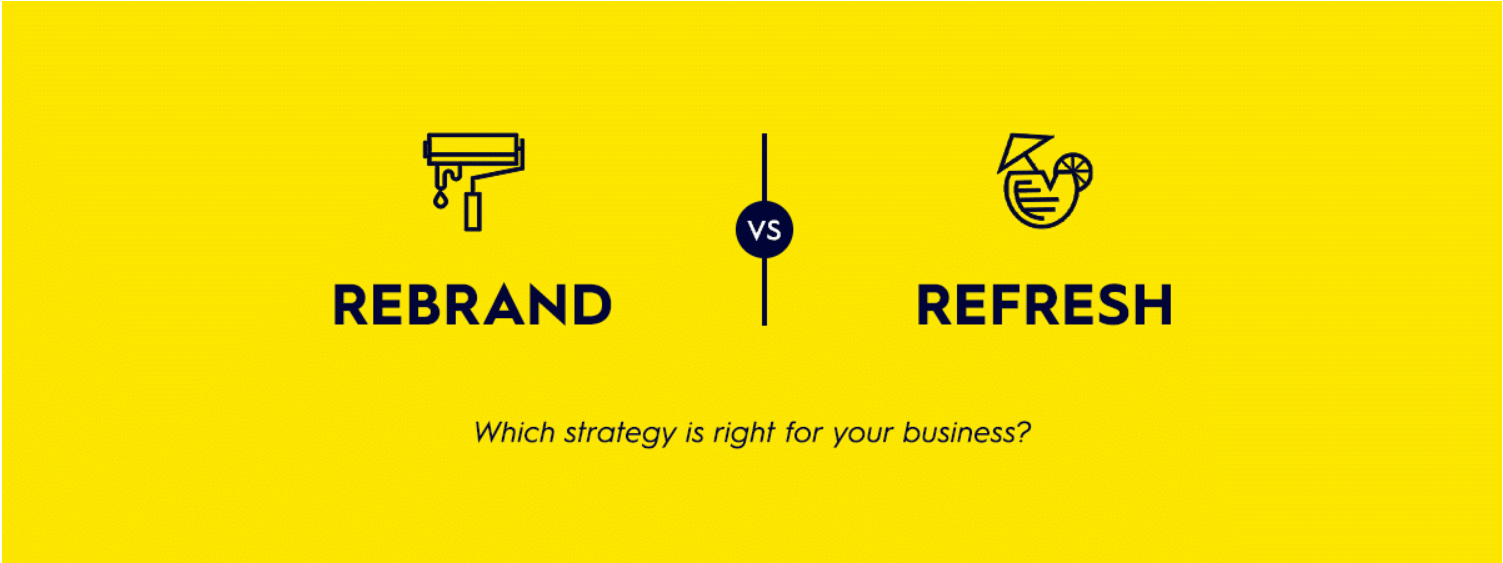
In 2026, businesses are under constant pressure to improve their online presence and performance. Customers judge brands quickly, and websites often decide whether trust is built or lost. When performance slows or engagement drops, business owners usually face one core decision: Website Redesign vs. Refresh. This choice affects visibility, conversions, and long-term growth across websites, apps, and social media touchpoints.
Understanding when to rebuild and when to refine helps brands avoid wasted investment and move forward with confidence.
Understanding Website Redesign vs. Refresh in 2026
Websites now function as sales engines, brand storytellers, and customer service tools. As expectations evolve, even well-designed sites can fall behind. The difference between redesign and refresh lies in how deep the change goes.
A redesign focuses on transformation. A refresh focuses on improvement. Both are valuable when applied at the right time.
What a Website Redesign Really Means
A website redesign involves rethinking the entire structure and experience. Navigation, layout, page hierarchy, messaging flow, and visual identity are rebuilt to align with current business goals. This process often includes reworking how users move from landing pages to conversion points.
From experience working with growing brands, redesigns are necessary when websites no longer align with the business direction. It often happens after service expansion, brand repositioning, or significant changes in audience behavior. A redesign creates space for future growth rather than reacting to short-term issues.
What a Website Refresh Actually Involves
A website refresh focuses on modernizing what already exists. Layouts remain familiar, but visuals, spacing, typography, and content clarity improve. The goal is to enhance usability and trust without disrupting the underlying structure.
In many real projects, refreshes work best when the site performs functionally but feels outdated. Businesses often choose this route to improve engagement, readability, and brand consistency while staying efficient with time and resources.
Website Redesign vs. Refresh for Business Goals
Every website change should support a clear business objective. Without this clarity, even well-designed sites struggle to deliver results.
When Growth Demands a Full Redesign
If your business is scaling, entering new markets, or offering more complex services, a redesign supports that evolution. Older structures often fail to communicate value clearly when offerings expand. Rebuilding allows brands to guide users more effectively and support long-term strategy.
When a Refresh Supports Faster Results
When the goal is to improve engagement, reduce bounce rates, or strengthen credibility, a refresh often delivers faster impact. Adjusting visuals and messaging can improve how users perceive value without significant disruption.
Website Redesign vs. Refresh and User Experience
User experience determines whether visitors stay, explore, or leave. Confusing navigation, cluttered pages, or inconsistent visuals instantly erode trust.
A redesign improves the experience when users struggle to find information or complete actions. It simplifies flow and reduces friction.
A refresh improves experience by making content easier to scan and interactions more transparent. It works well when users already understand the site but hesitate to engage.
Website Redesign vs. Refresh and Conversion Optimization

Conversions happen when users feel confident and informed. Clarity drives action.
A redesign rebuilds conversion paths from scratch. It allows brands to rethink form placement, messaging order, and page structure based on real behavior insights.
A refresh improves conversions by refining calls to action, simplifying copy, and improving visual focus. These changes often lead to noticeable gains without overwhelming users.
Website Redesign vs. Refresh for Brand Trust and Authority
Trust begins within seconds of landing on a website. Consistency, professionalism, and clarity shape perception.
A redesign strengthens authority when a brand evolves or repositions itself. It ensures visuals and tone align with current expectations.
A refresh reinforces trust by polishing the presentation while preserving familiarity. This balance helps returning users feel comfortable while attracting new ones.
Website Redesign vs. Refresh for Content-Heavy Websites
Websites with blogs, resources, or learning sections face unique challenges. Over time, content volume grows, and structure can suffer.
A redesign reorganizes large content libraries and improves navigation between sections. It helps users discover information more easily.
A refresh improves readability through better spacing, headings, and layout flow. Content remains strong, but presentation becomes clearer.
Website Redesign vs. Refresh and Mobile User Behavior
Mobile usage continues to dominate traffic across industries. Poor mobile experience quickly reduces engagement.
A redesign rebuilds mobile interaction when the original site was desktop-focused. Layouts adapt naturally to smaller screens.
A refresh improves mobile usability by refining spacing, tap targets, and content flow. It suits responsive sites that need refinement rather than replacement.

Website Redesign vs. Refresh and User Journey Mapping
User journeys reveal how visitors move through a site. Over time, added pages can create confusion.
A redesign allows brands to map journeys clearly from the entry point. Each step aligns with user intent.
A refresh improves journeys by clarifying existing paths and reducing distractions. Users move forward with less effort and more confidence.
Website Redesign vs. Refresh for Speed and Performance
Performance directly affects engagement and credibility. Slow sites frustrate users and reduce results.
A redesign improves speed by rebuilding systems and removing technical clutter. It benefits older platforms.
A refresh improves speed by optimizing layout and improving content efficiency. Faster loading often leads to immediate improvement.
Website Redesign vs. Refresh for SEO Stability
Visibility depends on structure and clarity.
A redesign requires careful execution to protect existing rankings. When planned properly, it improves content flow and relevance.
A refresh protects visibility by improving headings, content organization, and internal structure without disruption.
Website Redesign vs. Refresh for Social Media Integration
Social platforms often act as the first touchpoint.
A redesign allows deeper alignment with campaigns and landing pages.
A refresh ensures visual consistency between social channels and the website, strengthening recognition and trust.
Cost, Time, and Resource Planning

Redesigns require higher investment and longer timelines. They suit brands ready for transformation.
Refreshes cost less and deliver quicker results. They suit businesses seeking improvement without complexity.
Understanding internal capacity helps avoid over commitment.
Website Redesign vs. Refresh for Scaling Businesses
Scaling brands need flexibility.
A redesign prepares platforms for future expansion.
A refresh supports steady growth while maintaining stability.
Real-World Experience from Brand Projects
Across multiple projects, one pattern remains clear. Brands that align website changes with growth stages achieve better outcomes. Early-stage businesses benefit from refresh cycles, while scaling brands succeed with thoughtful redesigns. Experience confirms that timing matters as much as execution.
Common Mistakes Brands Make When Choosing
Many brands rush decisions, copy competitors, or ignore data. These mistakes lead to wasted resources. Innovative brands evaluate users, goals, and readiness before acting.
How to Decide What Your Brand Needs Right Now
If the structure fails, choose redesign.
If the presentation feels outdated, choose refresh.
If users feel confused, redesign.
If users hesitate to act, refresh.
If the presentation feels outdated, choose refresh.
If users feel confused, redesign.
If users hesitate to act, refresh.
Clarity always wins.
Frequently Asked Questions (FAQs)
What is the main difference between a website redesign and a website refresh?
The main difference lies in the level of change. A redesign rebuilds the website structure, layout, and user flow from scratch. A refresh improves visuals, clarity of content, and usability while keeping the existing structure intact. Businesses choose based on goals, not trends.
How often should a business consider updating its website?
Most businesses should review their website every 18 to 24 months. If performance drops, engagement slows, or branding feels outdated, it may be time for either a refresh or a redesign, depending on the issue.
Is a website refresh enough for growing businesses?
A refresh works well for businesses experiencing steady growth and needing visual or messaging updates. However, when services expand or user journeys become complex, a redesign usually supports growth more effectively.
Does a website redesign affect search visibility?
A redesign can affect visibility if not carefully planned. Proper execution protects the existing structure and improves content organization. Many brands see improvement when data and experience guide changes.
Which option is more cost-effective for small businesses?
For most small businesses, a refresh is more cost-effective because it improves engagement without a significant investment. Redesigns require higher budgets and longer timelines but offer a more profound transformation.
How do I know if my website structure is failing?
Signs include high bounce rates, confused users, low conversion rates, and frequent support requests. These usually indicate structural issues that a redesign can solve.
Can a refresh improve mobile experience?
Yes. A refresh can significantly improve mobile usability by refining layouts, spacing, and content flow. If the site already supports mobile users, improvements can be made without rebuilding.
Should social media traffic influence this decision?
Yes. If most visitors come from social platforms, visual consistency and landing page clarity matter. Both refresh and redesign can support this, depending on how well the current site aligns with social content.
What do experts recommend for 2026?
Experts recommend evaluating real user behavior and business goals before making a decision. Brands that refresh regularly and redesign strategically tend to achieve stronger long-term results.
Which option delivers faster results?
A refresh usually delivers faster, more visible improvements because it focuses on usability and presentation. A redesign takes longer but supports broader change and future growth.
We find an interesting article on real estate website design on this platform.
The Smart 2026 Perspective on Website Redesign vs. Refresh
Choosing Website Redesign vs. Refresh is not about trends. It is about aligning your website with business reality and user expectations. In 2026, successful brands treat websites as evolving platforms that support trust, engagement, and growth. When decisions are guided by experience and clarity, long-term results follow.