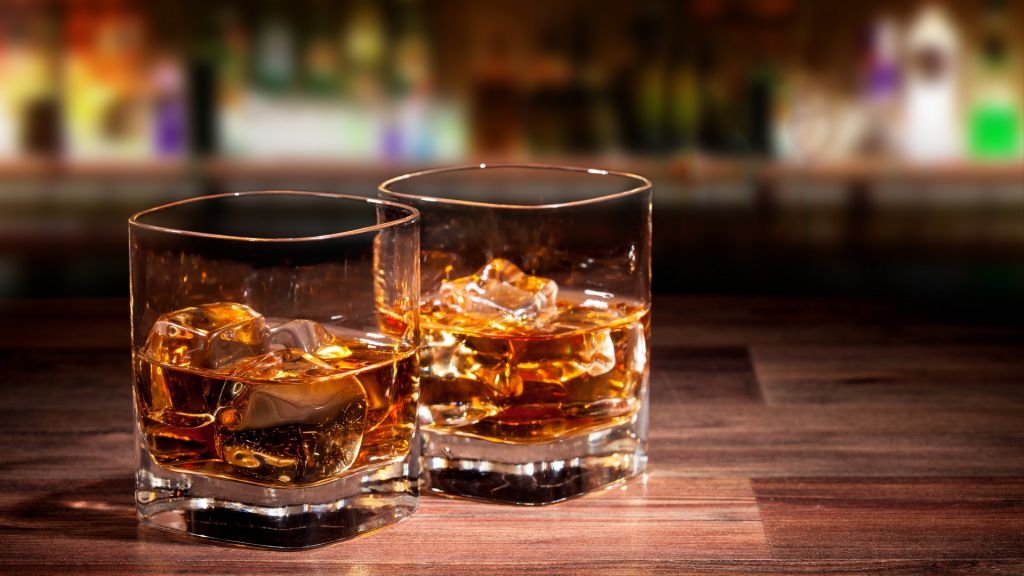
The beverage industry is undergoing a remarkable transformation as consumers increasingly seek healthier, more mindful drinking options. Among the most notable developments is the rise of non alcoholic whiskey, with whiskey-inspired alternatives becoming one of the fastest-growing segments.
As lifestyles evolve and wellness becomes a priority, producers are innovating to meet demand for sophisticated beverages that deliver flavor and experience without the effects of alcohol.
This shift is not simply a passing trend. It reflects changing consumer values, advancements in production techniques, and a broader cultural movement toward moderation. From premium product launches to creative cocktail applications, several trends are shaping the future of this emerging category.

The Rise of Mindful Drinking
One of the most significant factors driving growth is the increasing popularity of mindful drinking. Consumers are becoming more conscious of their health, fitness goals, and overall well-being. Many people want to participate in social occasions while avoiding alcohol-related drawbacks such as hangovers, impaired judgment, or disrupted sleep.
Younger generations, particularly Millennials and Generation Z, are leading this movement. They are more likely to seek balance in their lifestyles and often prefer beverages that align with wellness-focused habits. As a result, demand for premium alternatives has expanded rapidly, encouraging brands to create products that replicate the complexity and character traditionally associated with whiskey.
Premiumization of Alcohol-Free Spirits
Another key trend is premiumization. Non alcoholic whiskey often struggled to deliver depth and authenticity. Today, manufacturers are investing heavily in research, flavor development, and high-quality ingredients.
Consumers are no longer satisfied with simple substitutes. They expect layered aromas, rich textures, and a sophisticated drinking experience. This expectation has encouraged companies to use advanced extraction methods, natural botanicals, oak aging techniques, and innovative blending processes.
The result is a growing range of premium products that appeal not only to non-drinkers but also to whiskey enthusiasts seeking occasional alternatives. This premium positioning has helped elevate the category from niche status to mainstream recognition.
Innovation in Flavor Development
Flavor innovation remains one of the most exciting areas of growth. Replicating the complexity of traditional whiskey without alcohol presents a significant challenge, yet producers continue to make impressive advancements.
Brands are experimenting with smoked woods, spices, vanilla, caramel notes, and botanical infusions to recreate familiar flavor profiles. Some companies employ distillation technologies designed to preserve aromatic compounds, while others use carefully selected natural ingredients to build depth and warmth.
These innovations have enabled manufacturers to offer diverse styles ranging from smoky and robust to smooth and sweet. Such variety helps attract a wider audience and encourages experimentation among consumers.
Growing Popularity in Cocktail Culture
The cocktail industry has embraced alcohol-free alternatives with enthusiasm. Bars, restaurants, and hospitality venues increasingly feature sophisticated zero-proof menus designed to appeal to a broader customer base.
Mixologists are creating innovative drinks that showcase the complexity of non alcoholic whiskey in ways that rival traditional cocktails. From classic-inspired Old Fashioneds to modern signature creations, these beverages provide consumers with premium social experiences without alcohol.
As demand continues to grow, hospitality professionals are investing in specialized training and expanding their alcohol-free offerings. This trend is helping normalize zero-proof options and making them a standard feature in contemporary beverage programs.
Expansion of Retail Availability
Accessibility has improved dramatically in recent years. What was once limited to specialty stores can now be found in supermarkets, online marketplaces, and major retail chains.
Retailers recognize the growing demand for alcohol-free products and are dedicating more shelf space to these categories. Enhanced visibility increases consumer awareness and encourages trial purchases among shoppers who may be curious about alternatives.
Online sales channels have also played a major role in category growth. Digital platforms allow brands to educate consumers about ingredients, production methods, and serving suggestions while reaching audiences beyond traditional retail markets.
Sustainability and Ethical Production
Sustainability is becoming an important purchasing factor across the beverage industry. Consumers increasingly prefer brands that demonstrate environmental responsibility and ethical business practices.
Many producers are responding by sourcing ingredients responsibly, reducing packaging waste, and implementing eco-friendly manufacturing processes. Some companies are also emphasizing local sourcing and transparent supply chains to strengthen consumer trust.
As environmental awareness continues to rise, sustainability initiatives are likely to become a key differentiator within the alcohol-free spirits market. Brands that successfully combine quality, innovation, and responsible practices may gain a competitive advantage.
Celebrity and Influencer Endorsements
Celebrity involvement has significantly increased visibility for alcohol-free beverages. Public figures, athletes, and wellness influencers are promoting mindful consumption and encouraging healthier lifestyle choices.
These endorsements help reduce stigma surrounding organic wine brands and introduce them to new audiences. Social media platforms further amplify awareness by showcasing creative serving ideas, product reviews, and lifestyle content.
As influential voices continue to support moderation and wellness, consumer interest is expected to grow. This increased exposure contributes to broader acceptance and helps establish alcohol-free spirits as a desirable lifestyle choice.
Technological Advancements Driving Growth
Technology is playing a crucial role in improving product quality. Modern production methods allow manufacturers to create more authentic flavor experiences while maintaining consistency across batches.
Innovations in distillation, flavor extraction, and sensory analysis enable producers to better understand consumer preferences and refine formulations. These technological improvements continue to narrow the gap between traditional spirits and their alcohol-free counterparts.
As research and development investments increase, future products are likely to offer even greater complexity and realism. This progress will help attract both curious newcomers and experienced whiskey drinkers.
Global Market Expansion
The popularity of non alcoholic whiskey is no longer confined to a few regions. Markets across North America, Europe, Asia-Pacific, and other areas are experiencing growing demand.
Cultural shifts toward health-conscious living, combined with expanding product availability, are driving international growth. Global beverage companies are entering the category alongside innovative startups, creating a dynamic and competitive marketplace.
This expansion encourages further investment, product diversity, and consumer education, all of which contribute to the long-term success of the segment.
Looking Ahead
The future of alcohol-free spirits appears exceptionally promising. Consumer demand for healthier lifestyle choices, combined with ongoing innovation and premium product development, is reshaping the beverage landscape.

As technology advances and awareness continues to grow, the category will likely become an increasingly important part of mainstream drinking culture. Whether enjoyed neat, mixed into cocktails, or shared during social occasions, non alcoholic whiskey represents a significant evolution in consumer preferences.