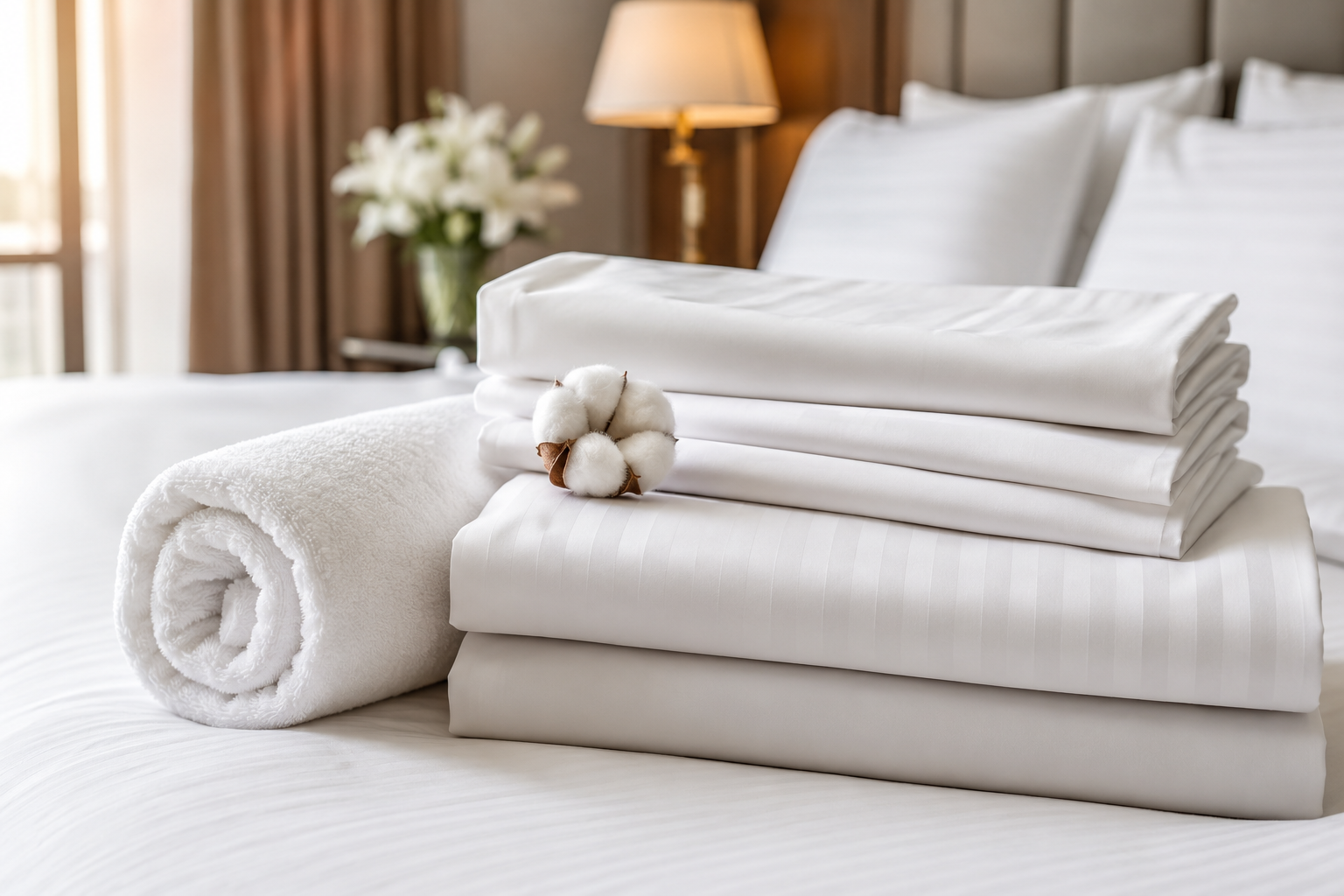
How to Choose Quality Linen and Home Textiles for Everyday Comfort
Choosing the right quality home textiles can improve the comfort, appearance, and practicality of a living space. Bedding, towels, table linens, kitchen textiles, and other fabric products support everyday activities, so their quality deserves careful consideration.
A textile may look attractive when you first purchase it, but appearance represents only one part of the decision. Material, weave, construction, weight, finish, size, care requirements, and intended use can all influence long-term performance.
Whether you are furnishing a home, updating a bedroom, preparing a guest room, or sourcing textiles for a hospitality business, understanding these factors can help you make more informed choices.
Why Quality Matters When Choosing Home Textiles
Home textiles experience regular use, washing, drying, and handling. Bedding may serve you every night, towels often require frequent washing, and kitchen textiles regularly encounter moisture and stains.
For this reason, buyers should evaluate more than the way a textile feels in a shop or appears in a product photograph.
A suitable textile should match its intended purpose. Bedding needs comfort and breathability, while towels should combine a pleasant feel with practical absorbency. Decorative textiles may place greater emphasis on texture, color, and visual appeal.
Consider how you plan to use each product before making a purchase. This simple step can help you avoid unsuitable choices and find quality home textiles that fit your everyday needs.
Understand the Difference Between Linen and Cotton
Linen and cotton both come from natural fibers, but each material offers different characteristics.
Cotton provides versatility and a comfortable feel. Manufacturers use it for towels, sheets, pillowcases, kitchen textiles, and many other everyday products. The variety, construction, and finishing process can give cotton fabrics different textures and performance characteristics.
Linen comes from flax fibers and has a distinctive natural texture and breathable character. Its relaxed appearance can add a refined touch to products that benefit from a natural fabric aesthetic.
Neither material suits every situation. Your choice should depend on the product, intended use, personal preference, and care routine.
Consider the Intended Use First
Before choosing a textile, identify exactly where and how you will use it.
Bedroom textiles may need to provide comfort and breathability. Bathroom products should cope with frequent contact with water and repeated laundering. Dining textiles need to complement table settings while remaining practical to clean.
Commercial buyers face additional considerations. Hotels, restaurants, spas, and guest houses often need textiles that can handle intensive use and regular laundering. In these environments, consistency and practical maintenance can matter just as much as appearance.
Start with the intended application. From there, you can narrow your options and compare quality home textiles according to their actual purpose.
Pay Attention to Fabric Construction
Two textiles made from the same basic fiber can feel and perform differently because manufacturers use different construction methods.
The weave, fabric weight, finishing, stitching, and edge treatment can influence the finished product. When comparing textiles, examine the overall construction instead of relying only on the material label.
For bedding, the weave can influence texture and drape. Towel construction can affect the feel and ability to absorb moisture. Table and kitchen textiles can also benefit from construction that supports durability and easy maintenance.
Good construction does not require a product to feel heavy or cost more. Instead, look for construction that suits the intended purpose.
Choose the Right Weight and Texture
Fabric weight provides another useful point of comparison.
A lightweight textile may work well for warm-weather applications or products that require easy handling. Heavier fabrics can offer a different feel and may suit particular bedding, upholstery, or decorative applications.
Texture also affects the overall experience. Some people prefer smooth fabrics, while others enjoy the natural texture of linen or more substantial woven materials.
Think about both physical feel and practical function before choosing a product. A fabric may feel luxurious, but if it requires more maintenance than you can provide, another option may work better for everyday use.
Check the Size Before Buying
Correct sizing can have a major effect on usability.
For bedding, measure the mattress and compare its dimensions with the sizes of sheets, duvet covers, blankets, and other products before purchasing. A textile that lacks sufficient coverage can create practical problems, while an oversized product may become difficult to handle.
The same principle applies to towels and table linens. Consider the intended use, available space, and required coverage before selecting a size.
Businesses can also benefit from consistent sizing because standard dimensions can simplify inventory management and replacement.
Think About Washing and Care
Everyday textiles should fit comfortably into your normal care routine.
Review the care instructions before purchasing a product. Check the recommended washing temperature, drying method, ironing requirements, and any special instructions.
Frequent-use items require particular attention because regular washing can affect their appearance and condition. Choose textiles that suit the maintenance routine you can realistically follow.
Following the manufacturer’s care instructions can help maintain the fabric’s appearance and condition. Aggressive washing, unsuitable drying methods, and improper storage can affect textiles regardless of their original quality.
Look Beyond Appearance
Color and design naturally influence purchasing decisions, but they should not determine the choice on their own.
A textile should complement the environment where you plan to use it. Neutral shades offer flexibility, while patterns and stronger colors can create a more distinctive appearance.
In bedrooms, coordinated textiles can create a calm and organized look. Bathrooms can benefit from complementary towel colors that create a cohesive space. Dining textiles can work well when their colors and textures complement existing tableware, furniture, and décor.
The strongest choice often balances visual appeal with practical requirements.
Consider Durability for Frequently Used Textiles
Durability becomes especially important when a textile will experience frequent use and washing.
Rather than assuming that the thickest or most expensive fabric will always last longer, evaluate whether its construction suits the intended application.
Inspect stitching, seams, edges, fabric consistency, and finishing details. These features can provide useful clues about how carefully manufacturers constructed the textile.
For businesses, durability can also influence operating costs. A product that performs reliably through repeated use may provide better practical value than a cheaper option that requires frequent replacement.
Choose a Supplier With Clear Product Information
Once you understand the type of textile you need, you can focus on finding a suitable supplier.
Look for suppliers that provide clear information about materials, dimensions, intended uses, available options, and care requirements. Detailed product information allows buyers to compare options with greater confidence.
The supplier’s product range also matters. A home buyer may need only a few products, while a hotel, restaurant, retailer, or other business may require a broader and more consistent supply.
For buyers researching linen and textile products, Atlas Indus Linen offers a relevant place to explore different textile options.
Focus on your actual requirements instead of choosing a product solely because of a promotional description or attractive photograph.
How to Make a More Informed Textile Purchase
A simple checklist can make the buying process easier.
First, identify the purpose of the product. Next, evaluate its material, construction, size, weight, texture, maintenance requirements, and design.
For example, someone choosing bedding might ask:
- Is the fabric comfortable for regular use?
- Is the size suitable for the mattress?
- Does the material suit the local climate?
- Can the household wash it using its normal routine?
- Does the design complement the bedroom?
Business buyers may also need to consider order quantities, product consistency, replacement requirements, and frequency of use.
These questions shift the focus from simply finding an attractive textile to selecting a product that genuinely meets the user’s needs.
Build a Consistent Look With Coordinated Textiles
Textiles can help create visual consistency throughout a home or commercial space.
Instead of selecting every item independently, consider creating a simple material or color theme. Similar tones, complementary textures, or consistent natural materials can connect different areas and create a more cohesive appearance.
For example, a bedroom might combine neutral linen bedding with complementary cushions and lightweight throws. A bathroom can feature coordinated towels and bath textiles. In a dining area, table linens can complement the colors and materials already present in the room.
A coordinated approach does not require every item to match perfectly. Mixing textures and subtle variations can create a more natural and interesting appearance.
Why Natural Textiles Remain Popular
Natural fibers continue to attract attention because of their familiar feel, versatility, and distinctive appearance.
Linen offers a characteristic texture that can contribute to a room’s visual identity. Cotton remains popular because it works across a broad range of applications and provides a comfortable everyday feel.
Even so, choosing a natural fiber still requires practical evaluation. Buyers should consider the complete product rather than assuming that a particular fiber automatically guarantees a certain level of quality.
The final result depends on the fiber, manufacturing process, construction, finishing, and the way you use and maintain the product.
Textile Selection for Hospitality and Commercial Environments
Commercial environments often have different textile requirements from private homes.
Hotels and guest houses need bedding and towels that can support frequent guest use. Restaurants may require table and kitchen textiles that can handle regular cleaning. Spas and wellness businesses may prioritize comfortable, presentable towels and other fabric products.
Consistency becomes particularly important in these environments. Businesses need to evaluate appearance, sizing, replacement needs, maintenance, and supply requirements together.
A textile that works well in a private home may not provide the most practical solution for a high-use commercial environment.
Make Quality Part of the Buying Decision
Quality does not mean choosing the most expensive product available. Instead, it means selecting a textile that offers an appropriate balance of material, construction, performance, appearance, maintenance, and price.
A well-informed buyer can compare products according to actual needs rather than relying on one feature.
For everyday household textiles, comfort and easy care may take priority. Decorative pieces may place greater emphasis on appearance and texture. Commercial buyers may focus more heavily on durability and consistency.
No single textile works perfectly for every application. The right choice depends on how you plan to use the product and which characteristics matter most.
Final Thoughts
Choosing quality home textiles becomes easier when you know which factors deserve attention.
Start with the product’s purpose, then consider its fabric, construction, weight, size, texture, care requirements, durability, and design. These factors provide a more reliable basis for comparison than appearance alone.
Whether you are refreshing your home, preparing a guest space, furnishing a hospitality property, or sourcing textiles for a business, thoughtful selection can make everyday products more comfortable and practical.
Ultimately, the best textile choice should fit the way you plan to use it. By understanding your requirements and comparing products carefully, you can choose textiles that combine useful performance with the look and feel you want.