
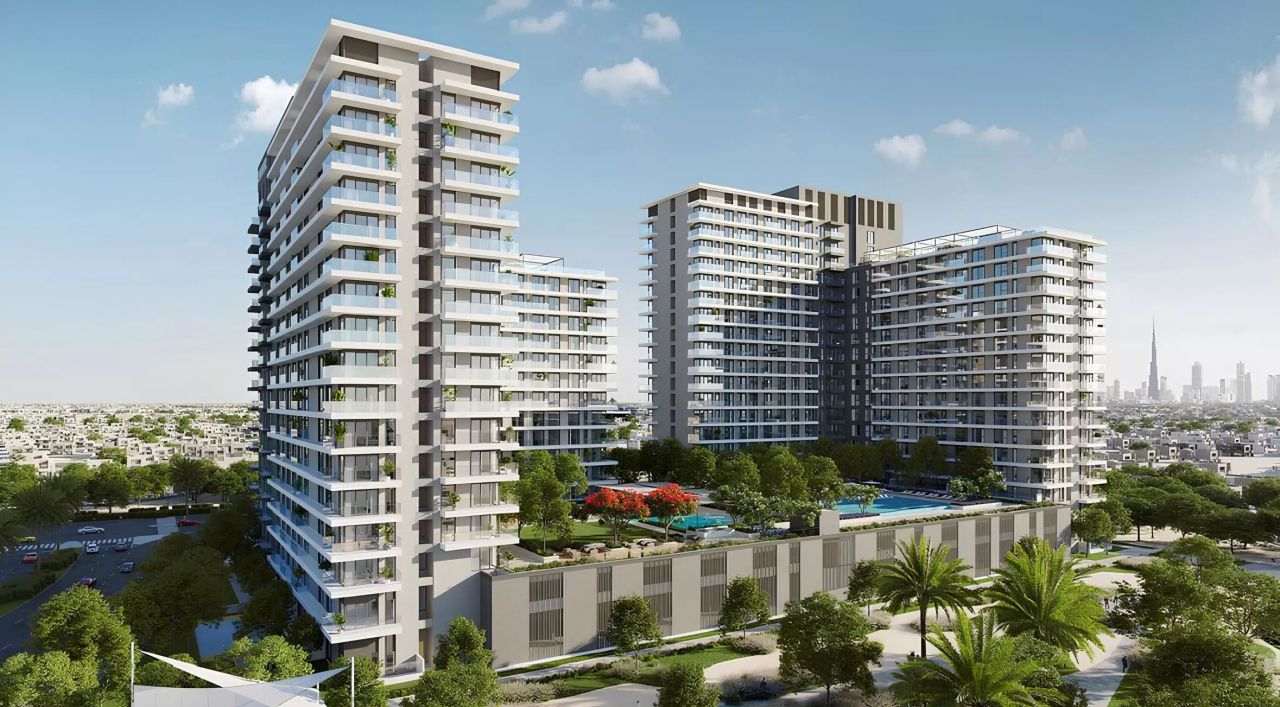
 Dubai has become one of the most sought after real estate destinations in the world, and its appeal is not just about skyline views or luxury lifestyles. It comes down to a straightforward, transparent legal framework that allows foreign nationals to own property outright. Whether you are exploring properties in Dubai for investment, rental income, or a future home, understanding the rules, costs, and process before you commit is essential.
This guide walks you through everything a foreign buyer needs to know in 2026, from eligibility and freehold zones to fees, financing, and the actual purchase process. At Takween AlDar, we work with international buyers every day, and this guide reflects the questions we hear most often from clients navigating the Dubai market for the first time.
Can Foreigners Really Buy Property in Dubai?
Yes. Since the introduction of Law No. 7 of 2006 (building on the original 2002 freehold reforms), foreign nationals of any country have been permitted to buy property in Dubai with full freehold ownership in designated zones. This means you own both the unit and the land beneath it, with the right to sell, lease, or pass the property to your heirs.

There is no requirement to hold a UAE visa or residency permit before purchasing. You do not need a local sponsor, and there is no cap on the number of properties a single buyer can own. A valid passport is the only document you strictly need to begin the process, and transactions can even be completed remotely through a Power of Attorney if you cannot travel to Dubai in person.
Freehold vs Leasehold: Understanding Ownership Types
Before searching for properties in Dubai, it helps to understand the ownership structures available:
Freehold ownership gives you full title to the property and the land it sits on. This is registered directly in your name with the Dubai Land Department (DLD) and is the standard structure for almost all modern developments aimed at foreign buyers.
Leasehold ownership grants the right to use a property for a fixed term, typically up to 99 years, without owning the underlying land. This structure is less common today but still exists in certain older communities.
Usufruct rights allow long-term use and benefit from a property without full ownership, and are found in specific legacy areas.
For the vast majority of foreign investors, freehold is the clear choice. It offers the strongest legal protection, the most flexibility for resale or inheritance, and the cleanest registration process with the DLD.
Where Can Foreigners Buy? Designated Freehold Areas
UAE and GCC nationals can buy property anywhere in Dubai. Foreign nationals from other countries are restricted to designated freehold zones, but the good news is that Dubai now has more than 40 such areas, and the list continues to expand. In early 2025, for example, the government announced that Al Jaddaf and parts of Sheikh Zayed Road would convert from leasehold to full freehold status.
Some of the most active freehold communities among international buyers include Dubai Marina, Downtown Dubai, Palm Jumeirah, Jumeirah Village Circle (JVC), Business Bay, and Dubai Hills Estate. Each community offers a different lifestyle and investment profile, from beachfront luxury to family-friendly suburbs, so it is worth matching the location to your goals rather than chasing the most talked-about address.
Step-by-Step: How the Purchase Process Works
Buying properties in Dubai as a foreigner generally follows these stages:
1. Define your objective and budget. Decide whether you are buying for capital appreciation, rental income, personal use, or as a pathway to a property-linked visa. This shapes which areas and property types make sense for you.
2. Choose a freehold zone and verify the developer. Confirm that the community is designated freehold and that the developer is registered with the Real Estate Regulatory Agency (RERA), Dubai’s regulator for developers, brokers, and transactions.
3. Sign the Memorandum of Understanding (MOU) or Sale and Purchase Agreement (SPA). This document sets out the agreed price, payment terms, and transfer timeline.
4. Pay the deposit and arrange financing if needed. Foreign nationals can access UAE mortgage financing, though terms differ from those offered to residents.
5. Obtain the No Objection Certificate (NOC) from the developer. This confirms there are no outstanding service charges or restrictions on the property.
6. Register the transfer with the Dubai Land Department. For off-plan properties, this happens through the Oqood system. For ready properties, the buyer receives the Title Deed, usually on the same day the transfer appointment is completed.
For a ready, secondary market property, the full process from agreed price to title deed typically takes two to six weeks. Off-plan purchases follow a separate payment schedule tied to construction milestones, which your agent or developer will walk you through in detail.
What Does It Actually Cost?
Beyond the purchase price itself, foreign buyers should budget an additional 7 to 8 percent for one-off transaction costs. The main components are:
- DLD transfer fee: 4% of the purchase price, the largest single cost in the transaction
- Real estate agent commission: typically 2% plus VAT
- Trustee office fee: roughly AED 2,100 to AED 4,200, depending on property value
- Title deed issuance fee: around AED 580
- Developer NOC fee: AED 500 to AED 5,000, set by the individual developer
- Mortgage arrangement and registration fees: if financing, typically around 0.25% to 1% of the loan amount
One point that surprises many first-time buyers: Dubai charges no annual property tax and no capital gains tax on resale. The DLD transfer fee is essentially the main tax-equivalent cost, and it is a one-time payment rather than a recurring one.
Financing as a Non-Resident
Foreign nationals can secure UAE mortgage financing, though the terms are more conservative than those available to residents. Non-resident buyers can typically obtain 75 to 80 percent loan-to-value financing on properties under AED 5 million, and 65 to 70 percent on higher-value properties. Expect UAE banks to request more extensive income documentation and a larger down payment compared to what a resident buyer would need to provide.
If financing is part of your plan, it is worth getting pre-approved before you start viewing properties in Dubai seriously, since this clarifies your real budget and strengthens your negotiating position with sellers.
Property and Residency: The Golden Visa Connection
Investing in Dubai real estate can also open a pathway to long-term residency. Buyers who invest AED 2 million or more in property may qualify for a 10-year UAE Golden Visa, which extends to immediate family members and does not require a local sponsor. This has made real estate one of the most direct routes to long-term UAE residency for international investors, and it is a major reason many buyers view Dubai property as more than just a financial asset.
Required Documents for Foreign Buyers
While exact requirements can vary slightly by transaction, foreign buyers should generally prepare:
- A valid passport (original and copy)
- Proof of funds or mortgage pre-approval, if financing
- Emirates ID, if you already hold UAE residency (not required for non-residents)
- Power of Attorney documentation, if purchasing remotely
- Signed MOU or SPA and NOC from the developer
Working with a knowledgeable local partner such as Takween AlDar at this stage helps ensure your documentation is complete and correctly attested, which avoids delays at the DLD registration appointment.
Why EEAT Matters When Choosing Who to Buy Through
Because a property purchase is one of the largest financial decisions most people make, it is worth applying real scrutiny to whoever is guiding you through it. Look for a partner with demonstrated experience in Dubai’s freehold market, verifiable credentials and RERA-registered credentials, a transparent track record with past clients, and a genuine understanding of the legal and financial mechanics involved, not just a sales pitch. This is the standard we hold ourselves to at Takween AlDar, and it is the standard we recommend you look for in any advisor you work with.
FAQ
Q: Do I need to be a UAE resident to buy property in Dubai?
A: No. Foreign nationals of any nationality can purchase freehold property in designated zones without holding a UAE visa or residency permit. A valid passport is sufficient to begin the process.
Q: What is the total cost I should budget beyond the property price?
A: Plan for roughly 7 to 8 percent in additional costs, covering the DLD transfer fee, agent commission, trustee fees, title deed issuance, and any applicable NOC or mortgage arrangement fees.
Q: Can I buy property in Dubai without visiting in person?
A: Yes. Remote purchases are possible through a properly attested Power of Attorney, allowing you to complete the transaction without traveling to Dubai.
Q: Is there an annual property tax in Dubai?
A: No. Dubai does not charge annual property tax or capital gains tax on resale. The main cost is the one-time 4% DLD transfer fee paid at the point of purchase.
Q: How much do I need to invest to qualify for a Golden Visa through property?
A: An investment of AED 2 million or more in real estate can qualify you for a 10-year UAE Golden Visa, which can also extend to immediate family members.
Q: Where should I start if I am new to the Dubai property market?
A: Start by clarifying your goal, whether that is rental income, capital growth, or personal use, then work with a registered, experienced partner who can match that goal to the right freehold community and guide you through documentation and registration.
Conclusion
Buying properties in Dubai as a foreigner is a genuinely open and well-regulated process, but it rewards buyers who take the time to understand the framework before they commit. From choosing the right freehold zone to budgeting accurately for transaction costs and understanding how financing or visa eligibility might factor into your decision, every step benefits from careful planning and the right guidance.

At Takween AlDar, we help international buyers navigate this process from first inquiry to title deed, with the local market knowledge and regulatory understanding needed to make the experience smooth and transparent. If you are considering your next step into Dubai real estate, we would be glad to help you explore properties in Dubai that fit your goals. Visit us at takweenaldar.ae to learn more.