Understanding Common Sports Injuries
Athletes often face diverse types of injuries that initially look minor. But ignoring them and keeping up running ultimately brings severe health consequences. Tennis elbow is one of the bigger injuries that is often mistaken for an elbow problem. But in reality, it is a wrist stabilization failure that usually occurs because of consistent use of the forearm muscles to keep the wrist straight during gripping. The repetitive stress causes microscopic tears that the body struggles to heal naturally.
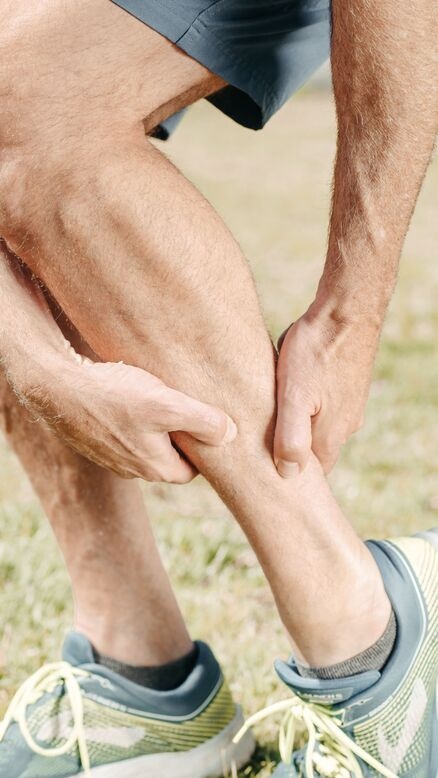
Most ankle issues are inversion injuries in which the foot rolls inward. It usually happens when the mechanoreceptors become fatigued. If not treated on time, it delays the signals to the brain. It ultimately causes a microsecond lag in stabilizing the foot before it hits the ground. As the movement becomes uncontrolled, you never know when an accident may happen. The muscle strain injury’s common causes include a sudden change of direction and tearing during deceleration. You will feel severe pain while shifting your posture, but you will not necessarily observe severe swelling at that point.

The Impact of Tennis Elbow
It usually occurs because of poor technique or consistent arm movement without any rest. You may feel severe pain along with reduced grip strength in this elbow issue. A temporary lack of fluid can cause morning stiffness. When you wake up, you will feel a sharp ache on the outer elbow.
Sometimes, the reason could be incorrect sleep posture, which reduces the blood flow to the arm. Although it also results in severe stiffness, it is not considered a tennis elbow. Another impact of this issue is the drop grip phenomenon, which means reduced grip strength. The major reason behind this is that the brain reflexively inhibits muscle activation to protect the damaged tendon. It leads to sudden drops of light objects like coffee mugs or a weak handshake.
Similarly, the cortisone trap, which involves delaying treatment while relying on momentary painkillers to just mask the pain without treating the actual issues, leads to tendinosis. It is the process of tissue death and fiber disorganization rather than healing. It drastically raises the risk of a complete tendon rupture.
The Challenge of Ankle Pain
In active individuals, this problem arises from microscopic ligamentous failure. It systematically compromises joint stability while altering the body’s actual balance. If you keep it ignored for a long time, it can disturb your overall movement mechanics as well. You will face instability when you are walking on uneven surfaces because your brain doesn’t signal you properly.
This creates permanent laxity, which means it no longer holds the joint bones tightly together. When you keep it untreated, it leads to ligament tearing, which ultimately destroys the joint’s position sense receptors. It means your brain gets blind to the ankle’s exact angle and forces the athlete to constantly look down at their feet to maintain their balance. It can be dangerous, especially when you are in busy areas with high auto traffic movement.
The inflammation around the ankle causes scar tissue to lock up the talus bone. It severely limits the ankle’s ability to bend the foot toward the shin. It ultimately destroys squat depth and running efficiency. In severe cases, your body forces the knee to cave inward and the lower back to overrotate. It accelerates cartilage wear-and-tear across the entire lower body.
Why Rest Alone Doesn’t Work
You often think that taking painkillers and resting is more than enough to recover from a severe injury. But this strategy is completely failing because it only provides temporary symptom relief rather than treating the issue inside. It lets the inflammation calm down but leaves the underlying tissues and tendons in a state of unconditioned weakness.
Your complete inactivity causes all the supporting muscles, regardless of which injury you are suffering from, to shrink. Within days, these muscles lose their actual strength and tendons lose their load tolerance. It leaves your joints less prepared for the stress than they were before the injury. Similarly, your body tissues never heal through only passive rest, even though they are getting enough blood circulation.
They actually need mechanical tension to grow, which is only possible through mechanotransduction to align their collagen fibers properly. If you lack targeted movement, your body lays down disorganized fibers. People often rely on a pain-free-at-rest technique as a complete recovery. But it’s actually a false sense of security. As soon as normal athletic loads return, the unstrengthened tissue instantly fails and re-injures.
Physical Therapy for Sports Injury Recovery
This process involves targeted exercise to rebuild strength and flexibility of the injured part. It bridges the gap between passive healing and full athletic recovery by utilizing progressive mechanical loading. Expert therapists use hands-on mobilization to remodel damaged tissues and protect the body against future breakdown, providing it with enough strength to fight.
They perform controlled and targeted exercises, subjecting healing tendons and muscle fibers to mechanical tension. They force the disorganized scar tissue to realign into strong and elastic parallel structures. This is not a one-time cure; it’s actually building a strong muscle block that is ready to bear heavy loads and mechanical tensions happily. The tissues and muscles covered through physical therapy are often stronger than the rest.
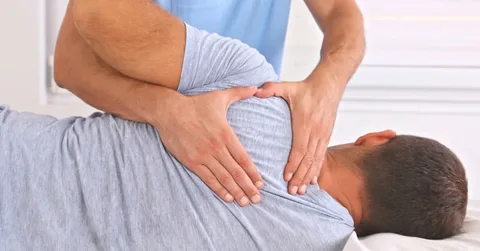
Skilled manual therapy techniques break down restrictive adhesions. They immediately boost blood circulation and turn off overactive protective muscle guarding. All the mobility training especially targets joint capsules because the therapist knows that these are the backbones of healthy movements. They ensure equal force distribution cleanly through the entire kinetic chain rather than jamming a single point.
MaxWell Medical Rehabilitation
We at MaxWell Medical provide multidisciplinary and targeted rehabilitation in New York City. Our techniques directly counter athletic tissue damage through customized biomechanical programming. We are the leading sports injury care providers in the region with brilliant track records of fast but perfect recovery.

Our clinical team consists of specialized therapists equipped with advanced knowledge and expertise, and facilities that go beyond basic rehabilitation. We are the performance optimizers for athletes, offering assistance with all types of sports injury recovery. If you are looking for someone to help you recover, contact us right away, as we are ready to help you.