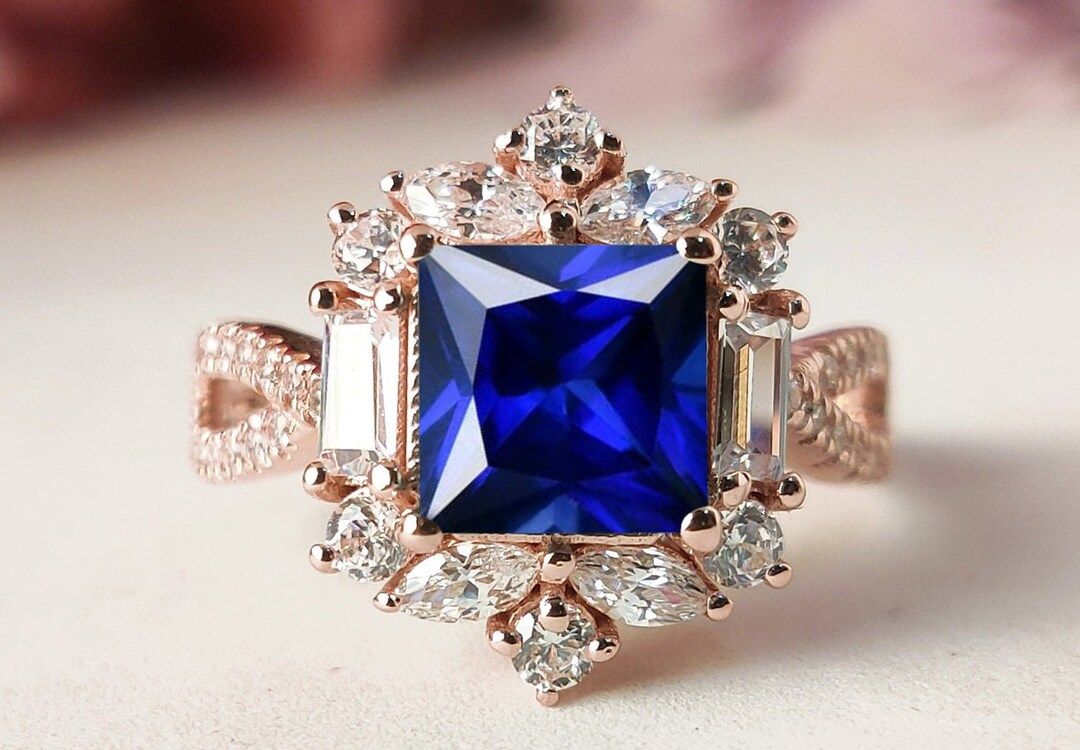
Choosing an engagement ring is about more than finding a beautiful piece of jewelry. It is about selecting a design that reflects your relationship, personal style, and the meaning behind your commitment. While traditional diamond rings remain popular, blue sapphire engagement rings offer a distinctive alternative for couples who want rich color, timeless elegance, and symbolic meaning.
Known for their deep blue hues and impressive durability, sapphires have been treasured for centuries. Today, they continue to appeal to modern couples looking for an engagement ring that feels classic while standing apart from conventional designs.
Why Choose a Blue Sapphire Engagement Ring?
Blue sapphires are instantly recognizable for their captivating color. Depending on the stone, the blue can range from soft and light shades to intense royal blue. This variety makes it possible to find a sapphire that suits different tastes and jewelry styles.

One of the biggest advantages of sapphire is its durability. Sapphire ranks 9 on the Mohs scale of mineral hardness, making it one of the hardest gemstones used in jewelry after diamond. This makes it a practical option for an engagement ring that will be worn regularly.
A blue sapphire can also give an engagement ring a more personal appearance. Instead of choosing a traditional colorless center stone, couples can use color to express individuality and create a memorable piece.
The Meaning Behind Blue Sapphires
Blue sapphires have long been associated with qualities such as loyalty, sincerity, wisdom, and faithfulness. These associations make them particularly meaningful for engagement jewelry.
Blue has also traditionally been connected with calmness and trust. For couples, this symbolism can add another layer of significance to the ring, representing a relationship built on commitment and lasting partnership.
Although gemstone symbolism is personal rather than scientific, many buyers appreciate having a meaningful story behind the stone they choose.
Popular Blue Sapphire Engagement Ring Styles
The setting and surrounding stones can dramatically change the appearance of a sapphire engagement ring. Several styles have become especially popular among modern couples.
Blue Sapphire Solitaire Rings
A solitaire setting places the sapphire at the center of attention. With minimal surrounding decoration, the design allows the gemstone’s color and shape to stand out.
This style works particularly well for people who prefer understated jewelry. A classic round or oval blue sapphire in a simple setting can create an elegant ring that remains fashionable for years.
Blue Sapphire Halo Rings
Halo settings surround the center sapphire with smaller diamonds or gemstones. The additional stones can make the center stone appear larger while adding extra brilliance.
A diamond halo paired with a blue sapphire creates a striking contrast between the vivid center stone and the sparkle of the surrounding diamonds. It is an excellent choice for someone who enjoys glamorous and eye-catching jewelry.
Blue Sapphire Three-Stone Rings
Three-stone engagement rings feature a center gemstone accompanied by two side stones. The three stones are often interpreted as representing the past, present, and future of a relationship.
A blue sapphire center stone with diamond side stones can create an attractive balance of color and brilliance. This style also provides plenty of opportunities to customize the shape and proportions of the stones.
Blue Sapphire Vintage-Inspired Rings
Vintage-inspired designs often feature intricate metalwork, milgrain details, engraved patterns, and smaller accent stones. Blue sapphires work beautifully with these details because their traditional appearance complements antique-inspired settings.
For someone who loves romantic or historical jewelry aesthetics, a vintage-style sapphire ring can provide plenty of character.
How to Choose the Right Blue Sapphire
Not every sapphire has the same appearance or value. When shopping for a blue sapphire engagement ring, it is important to evaluate several factors.
Color
Color is one of the most important characteristics of a blue sapphire. Many buyers prefer a vivid, saturated blue that is neither too dark nor too pale.
The ideal color ultimately depends on personal preference. Some people prefer a deep royal blue, while others may like lighter or slightly violet-blue tones.
Clarity
Unlike diamonds, sapphires are not generally expected to be completely free of inclusions. Natural sapphires commonly contain internal characteristics, and some inclusions can help indicate that a gemstone is natural.
However, excessive inclusions can affect transparency and appearance. Look for a sapphire that has attractive color and good visual clarity when viewed with the naked eye.
Cut
Cut influences how effectively a sapphire displays its color and reflects light. A well-cut gemstone should have balanced proportions and an attractive appearance from different angles.
Popular sapphire shapes include oval, cushion, round, pear, emerald, and princess cuts. Oval and cushion sapphires are particularly popular because they can showcase a strong area of color while offering a classic appearance.
Carat Weight
Carat refers to the weight of the gemstone, not its physical size alone. Two sapphires with the same carat weight can appear somewhat different in size depending on their shape and proportions.
Instead of choosing a sapphire based only on carat weight, consider how the stone looks within the overall ring design.
Natural vs. Lab-Created Blue Sapphires
When shopping for a sapphire engagement ring, you may encounter both natural and lab-created sapphires.
Natural sapphires form naturally within the Earth over geological periods. They can have unique inclusions and characteristics that contribute to their individuality.
Lab-created sapphires have essentially the same chemical composition and crystal structure as natural sapphires but are produced under controlled laboratory conditions. They can provide an appealing option for shoppers who prioritize color, appearance, and value.
Neither choice is automatically better for every buyer. The right option depends on your preferences, budget, and whether having a naturally formed gemstone is important to you.
Choosing the Right Metal
The metal surrounding a blue sapphire can significantly influence its overall appearance.
White gold or platinum: These metals create a clean, contemporary contrast with blue sapphires and work especially well with diamond accents.
Yellow gold: Yellow gold produces a warm, traditional appearance. The combination of blue and gold can give a sapphire ring a luxurious and timeless character.
Rose gold: Rose gold provides a softer, romantic contrast. Its warm pink tones can make the blue sapphire feel particularly distinctive.
When choosing a metal, consider both the sapphire’s color and your everyday jewelry preferences.
Blue Sapphire and Diamond Combinations
Combining sapphires with diamonds is one of the most popular ways to create a balanced engagement ring. The sapphire provides saturated color, while diamonds contribute brightness and sparkle.
Diamonds can be used as side stones, a halo, pavé accents, or even on the band. The result can range from subtle and elegant to highly detailed and glamorous.
For shoppers exploring a variety of gemstone engagement ring designs, Brilani offers options that can help couples find a style that matches their individual preferences.
How to Match a Sapphire Ring to Your Personal Style
The best engagement ring should feel natural to the person wearing it. Consider your existing jewelry and everyday fashion when selecting a design.
If you prefer minimalist jewelry, a solitaire sapphire may be the best choice. If you enjoy detailed designs, consider a halo, vintage-inspired, or pavé setting.
You should also consider the shape of the center stone. An oval sapphire offers an elegant elongated appearance, while a round sapphire creates a classic look. Cushion and emerald cuts provide different visual personalities and can make the ring feel more distinctive.
Caring for Your Blue Sapphire Engagement Ring
Although sapphire is highly durable, proper care can help keep your engagement ring looking beautiful.
Remove your ring when performing activities that could expose it to harsh chemicals, heavy impact, or excessive abrasion. Clean it regularly using mild soap, warm water, and a soft brush.
Avoid using harsh household cleaners unless they are specifically recommended for your ring’s materials. It is also useful to have the setting professionally inspected periodically to ensure that the sapphire and any accent stones remain secure.
If your ring contains diamonds, intricate metalwork, or delicate detailing, professional cleaning can help maintain its appearance.
Are Blue Sapphire Engagement Rings a Good Choice?
For many couples, blue sapphire engagement rings offer an excellent combination of beauty, symbolism, and durability. They provide the distinctive color of a gemstone while remaining practical enough for everyday wear.
They are particularly appealing if you want an engagement ring that differs from the traditional diamond solitaire without sacrificing sophistication. With options ranging from simple solitaires to elaborate vintage designs, sapphire rings can suit a wide range of personalities and budgets.
Ultimately, the most important consideration is choosing a ring that feels meaningful to you and your partner. The right sapphire, setting, metal, and design can create a piece of jewelry that represents your relationship for years to come.
Frequently Asked Questions
Are blue sapphires suitable for engagement rings?
Yes. Sapphire ranks 9 on the Mohs hardness scale, making it a durable gemstone for everyday jewelry. Proper care is still important because no gemstone is completely immune to damage.
What does a blue sapphire symbolize in an engagement ring?
Blue sapphires are traditionally associated with loyalty, sincerity, wisdom, and faithfulness. These qualities can make them especially meaningful for engagement jewelry.
Are blue sapphire engagement rings more affordable than diamond rings?
They can be, although prices vary considerably depending on factors such as whether the sapphire is natural or lab-created, its color, size, clarity, origin, treatment, and overall quality.
What metal looks best with a blue sapphire?
Blue sapphires can work beautifully with platinum, white gold, yellow gold, and rose gold. The best choice depends on the desired style and the color of the sapphire.
Can a blue sapphire engagement ring be worn every day?
Yes. Sapphire’s high hardness makes it well suited to regular wear. However, the ring should still be protected from hard impacts, chemicals, and activities that could damage the gemstone or setting.

Should I choose a natural or lab-created sapphire?
Both can be excellent choices. Natural sapphires appeal to buyers who value naturally formed gemstones, while lab-created sapphires can offer similar visual and physical characteristics at a potentially lower price. Your decision should depend on your priorities and budget.
