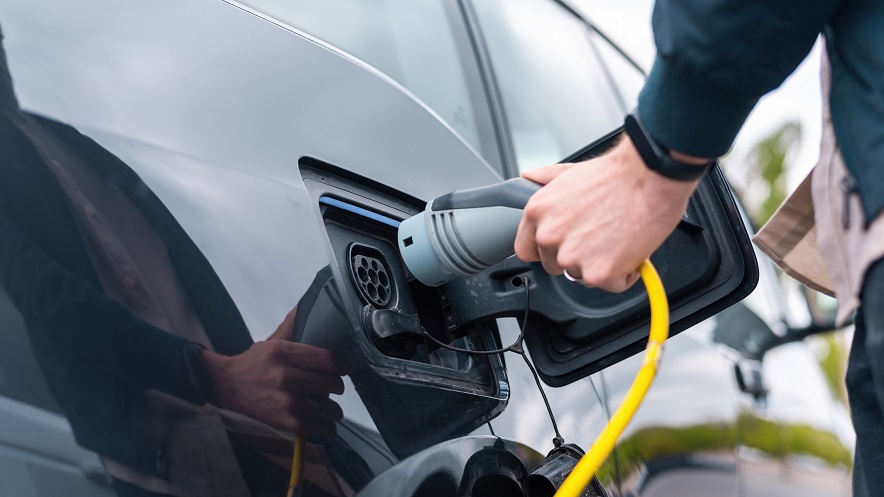
Installing an electric vehicle charger at home can make daily driving more convenient, but a safe and reliable setup requires careful electrical planning. For homeowners considering EV charger installation in Toronto, understanding electrical panel capacity, charging equipment, and Ontario’s safety requirements is essential. A properly planned charging station can support your vehicle’s needs while helping you avoid unnecessary electrical upgrades and installation complications.
Whether you live in a detached home, townhouse, or condominium, knowing what to expect before installation can make the transition to home EV charging easier.
Why Home EV Charging Is Becoming a Practical Choice in Toronto
Toronto drivers have access to public charging infrastructure, but home charging provides the convenience of charging a vehicle while it is parked overnight.

For homeowners with dedicated parking, a residential charging station can offer several advantages:
- Convenient charging: Recharge your vehicle without making separate trips to public charging stations.
- Greater flexibility: Schedule charging sessions around your daily routine.
- Consistent availability: Access your own charging equipment whenever needed.
- Long-term usefulness: Prepare your property for continued electric vehicle ownership.
However, installing a charging station involves more than choosing equipment. The home’s existing electrical infrastructure must be evaluated first.
Understanding Electrical Capacity Before EV Charger Installation
One of the most important steps in planning a home charging station is determining whether the electrical system can safely support the additional load.
Evaluating Your Electrical Panel
EV chargers can draw electricity continuously for several hours. A qualified electrician should assess the home’s existing electrical demand, panel condition, and available circuit capacity before installation.
Some older Toronto homes may have limited electrical capacity, particularly when they already operate electric heating, air conditioning, or other high-demand appliances.
Depending on the assessment, the electrician may recommend a dedicated circuit, an approved energy management system, or an electrical service upgrade.
Not every home requires a panel upgrade. The decision should be based on a proper electrical load calculation rather than assumptions about the panel’s amperage alone.
Planning the Charger Location
The location of the electrical panel and parking space affects the installation process.
A garage located near the panel may allow a relatively straightforward wiring route. A detached garage or outdoor driveway installation may require additional planning for wiring, protection, and equipment placement.
Toronto homeowners should also consider winter weather, snow accumulation, and safe cable storage when selecting an outdoor charging location.
Choosing the Right EV Charging Equipment
Different electric vehicles and households have different charging requirements. Selecting suitable equipment helps balance charging speed, electrical demand, and installation cost.
Level 1 and Level 2 EV Chargers
Level 1 charging generally uses a compatible 120-volt household outlet. It offers slower charging and may be suitable for drivers with limited daily mileage.
Level 2 charging typically operates on a dedicated 240-volt supply and can provide significantly faster charging.
The actual charging speed depends on the vehicle’s onboard charging capability, the charger’s rated output, and the available electrical capacity.
For many Toronto homeowners who drive regularly, Level 2 charging is worth considering because it can replenish more driving range during overnight charging.
Smart Charging Features
Some modern chargers include features such as:
- Scheduled charging sessions
- Electricity consumption monitoring
- Mobile application connectivity
- Adjustable charging output
- Energy management compatibility
These features can be useful, but homeowners should evaluate whether they need them before purchasing equipment.
Electrical Safety and Ontario EV Charger Installation Requirements
Safety is a critical part of residential EV charger installation.
In Ontario, EV charging equipment installations must comply with the Ontario Electrical Safety Code. Electrical Safety Authority (ESA) notification and inspection requirements also apply.
When hiring an electrical contractor, homeowners should verify that the contractor holds the appropriate Electrical Contractor Licence.
Why Professional Installation Matters
An appropriately licensed electrical contractor can evaluate the existing electrical system and plan the installation according to applicable requirements.
Professional installation planning helps address:
- Electrical load calculations
- Appropriate circuit and wiring selection
- Charger compatibility and placement
- Grounding and electrical protection
- Applicable permits and inspections
Homeowners should also select charging equipment approved for use in Canada and rated for the intended indoor or outdoor environment.
EV Charger Installation for Toronto Condos and Townhouses
Home EV charging can require additional coordination in properties with shared parking or electrical infrastructure.
Toronto condominium owners may need approval from their condominium corporation before installing a charging station. Property managers may also need to evaluate shared electrical capacity, installation access, and electricity billing arrangements.
In some buildings, energy management or load-sharing systems can help accommodate multiple charging stations.
For townhouses, installation requirements depend on the property’s electrical configuration, parking arrangements, and ownership structure.
Reviewing these considerations early can prevent delays during the planning process.
Finding an EV Charger Installation Service in Toronto
Choosing a qualified electrical contractor is an important step toward creating a dependable home charging setup.
Langstaff & Sloan Inc. provides electrical services in Toronto, including EV charging solutions for residential properties. Homeowners can explore the company’s EV charger installation services in Toronto to learn more about available solutions and discuss their electrical requirements.
Homeowners in Etobicoke and Markham can also consider professional electrical assessments when planning a home charging station. For properties in Burlington, service availability should be confirmed directly with the company.
Before scheduling installation, it is useful to discuss your vehicle model, preferred charger, parking arrangement, electrical panel location, and anticipated charging needs.
Prepare Your Toronto Home for Convenient EV Charging
A dependable home charging station begins with the right electrical assessment, suitable equipment, and attention to safety requirements.
Understanding electrical capacity, charger options, and installation considerations can help Toronto homeowners make informed decisions without investing in unnecessary upgrades.

If you’re planning EV charger installation for your home, contact Langstaff & Sloan Inc. to discuss your charging requirements and explore an installation solution suited to your property.