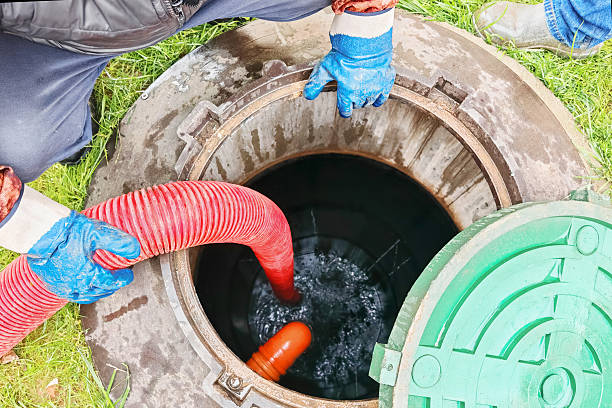
We all love a stormy afternoon. The sound of rain on the roof is relaxing, but it is actually a major headache for your yard. Specifically, it can wreak absolute havoc on your septic system’s drain field. If you live in a place that gets soaked often, you need to stay alert. A professional septic tank service can help you understand how your specific system handles excess groundwater before the next big storm rolls through town.
Why Water is the Real Enemy
Your drain field is designed to treat waste by filtering it through the dirt. But there is a catch: that dirt can only hold so much. When it pours for days, the ground becomes like a giant, soggy sponge.
There is literally nowhere for your dirty water to go. When the ground is completely full of rain, the water from your house has to back up. It’s like trying to pour more liquid into a sponge that’s already dripping.

- Saturated soil cannot absorb any more liquid.
- Excessive groundwater can flood your buried pipes.
- Bacteria need air to work, and flooding kills that flow.
- Water can push untreated mess back toward your home’s pipes.
Signs Your Yard is Drowning
You might notice some weird stuff happening when the rain just won’t stop. The most obvious sign is standing water directly over your drain field. It might look like a puddle, but it’s actually a serious warning.
Sometimes the smell is the biggest giveaway. If your yard smells like rotten eggs after a storm, your system is crying for help. Keep an eye out for these warnings before they turn into a major basement flood.
- Standing water pooling in the grass near the system.
- The smell of raw sewage lingering in the damp air.
- Toilets that refuse to flush or make weird gurgling noises.
- Sinks or showers draining much slower than they usually do.
Go on a “Water Diet” During Storms
When the sky opens up, you need to go on a water diet. This isn’t the time to catch up on a week’s worth of laundry. Every gallon you send down the pipes puts more pressure on the system.
Cut back on the long showers. Hold off on running the dishwasher. Even small changes make a massive difference. You are giving your yard the breathing room it needs to dry out after the heavy downpours end.
- Postpone laundry loads until the soil is visibly drier.
- Take short, quick showers instead of long, hot baths.
- Skip using the dishwasher until the rain finally clears.
- Don’t wash your car or use the hose in the yard.
Protect Your System from the Start
You can’t control the clouds, but you can control your yard’s drainage. Make sure your gutters aren’t dumping water directly onto your drain field. That just adds stress to an already soaking wet area of your property.
Point your downspouts away from the system. If you have a sump pump, make sure it drains far away from the tank. You want to keep the ground above your septic field as dry as possible during the winter.
- Extend downspouts to carry water away from the septic zone.
- Clear away leaves and debris from your roof gutters often.
- Ensure the yard slopes away from the drain field area.
- Keep your sump pump discharge pipe far from the drain field.
When to Seek Professional Help
If the water in your yard isn’t going away after a day or two, you have a real problem. Sometimes, an aging system just can’t handle the volume anymore. It might need a pump-out to restore some breathing room.
I have seen many homeowners struggle with this issue, but local pros like Cora Environmental often have the best insight into local soil conditions. They know how to handle the extra pressure that comes with heavy, persistent rain.
- Call an expert if the ground stays swampy for days.
- Don’t try to fix a flooded system with chemical liquids.
- Ask for a pro inspection after a major flood event.
- Verify that your tank hasn’t been infiltrated by groundwater.
Long-Term Solutions
If your drain field is flooding whenever there is rain, your system may be designed incorrectly. Such problems occur mostly in old buildings. In some cases, installation of a curtain drain system around your field may help divert rainwater from your soil.
Consult an experienced contractor regarding your problems. You do not have to suffer from constantly living in a swamp. There are certain solutions for grading your property and managing runoff that will keep you dry for many years to come.
- Find out about installing a drainage ditch or curtain drain.
- Consult a professional on how to properly regrade your backyard.
- Make sure that your tank lids are waterproof enough to prevent rainwater from entering your system.
- Keep track of how often your system experiences trouble because of rain.
Final Thoughts
A heavy downpour is a trial by fire for any septic system. With proper management of your water usage and by clearing the surroundings of your field, you will have no trouble surviving any storm that comes your way. In case of any failure, do not hesitate to contact a septic tank service.
Frequently Asked Questions
Is it possible that heavy rain leads to a total failure of the septic system?
In case of persistent rain, it is possible for the septic system to face some temporary failure. Heavy rains lead to a complete saturation of the soil near your drain field, making it impossible for the soil to absorb the effluent from your tank. This will result in water coming back into your pipes and causing back-ups in your house.
How can I ensure that rainwater does not enter my septic tank?
It is best to extend your roof gutter downspouts to a point of 10 feet from the drain field. You also need to ensure that the land is properly graded to divert all the surface water from the septic components.
Should I cease my use of water in case of flooding in my backyard?
Yes, I should considerably cut down on the use of water in my yard. It means that I should refrain from using the washing machine or dishwasher or taking long baths because limiting my use of water ensures that additional effluent will not get into the already saturated drain field, thus giving the soil time to drain the excess moisture.
Would a professional do something in the event of saturated ground?
The professional would be able to establish if my septic system is actually faulty or just flooded with rainwater. He may also propose to pump the tank temporarily in order to increase its capacity and see whether the problem is caused by leaking of the groundwater into the tank due to damaged lids/seals.
Should the ground be spongy after a rain?

It is perfectly normal for the ground to become spongy after rain, but it should not stay saturated for too long. If the ground is spongy for several days after rain or if there is any smell of sewage, it means that my drain field cannot cope with additional water.