Introduction
A well-lit workplace helps technicians carry out inspection and maintenance tasks with greater convenience. However, not every part of a machine or piece of equipment is easy to see under ordinary workshop lighting. Components may be positioned behind structures, beneath machinery, or inside areas where overhead lights cannot provide sufficient illumination.
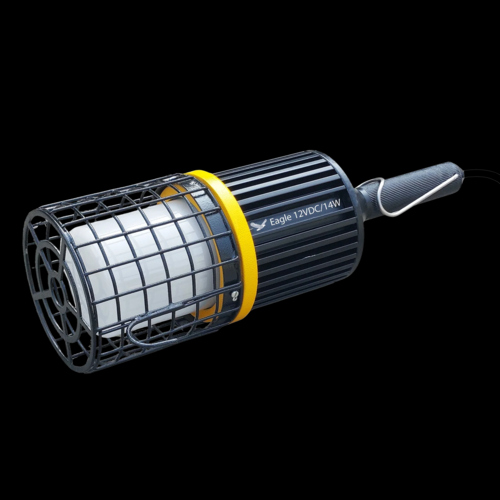
An LED Hand Lamp offers a flexible way to direct light towards a particular working area. Because it can be carried and repositioned, it is useful for many routine industrial tasks, including equipment checks, workshop servicing, and machinery inspection. Selecting the right model requires attention to its technical specifications, construction, and intended operating conditions.
Why workshops need portable lighting
Fixed lighting provides general illumination across a room, but shadows can still develop around large machines, workbenches, storage racks, and equipment enclosures. These shadows can make visual checks inconvenient, particularly when a technician needs to examine a specific component closely.

Portable lighting helps address this limitation by bringing the light source closer to the task. Workers can reposition the lamp as their inspection progresses, making it easier to illuminate different surfaces without relying entirely on the direction of overhead fixtures.
In maintenance workshops, a portable light may be used when checking accessible machine parts, examining tools, or carrying out routine servicing. The exact benefits depend on the brightness, beam pattern, and suitability of the selected product.
Understanding LED technology in portable lamps
LED stands for light-emitting diode. This technology is widely used in modern lighting because it can produce useful illumination with comparatively low electrical power consumption.
LED lamps are available in different sizes and configurations, from compact portable lights to industrial hand lamps designed for regular use. Many models also have long rated operating lives, which may reduce the frequency of replacing the light source.
However, performance is not identical across all LED products. Light output, efficiency, thermal management, housing design, and operating conditions can influence the overall result. Buyers should therefore compare the complete product specifications rather than choosing a lamp based on LED technology alone.
Key specifications to consider before purchasing
Choosing an LED Hand Lamp becomes easier when buyers understand the main specifications and how they relate to everyday work.
Light output and brightness
Light output is measured in lumens. The appropriate output depends on the working distance, size of the area being illuminated, and type of inspection being performed.
A lamp with greater lumen output may be helpful in a large or poorly illuminated area, but beam distribution and positioning are equally important. Excessive brightness directed towards the eyes can also create discomfort, so the lamp should be positioned carefully.
Voltage and power requirements
Portable lamps are manufactured for different electrical supplies. Some operate using direct current, while others are designed for alternating-current supplies.
Always match the lamp’s rated voltage to a compatible power source. For example, a 12 VDC hand lamp requires a suitable 12-volt DC supply. Check the manufacturer’s instructions for connector requirements and approved operating arrangements.
Never make unauthorised wiring changes or connect a lamp to a supply outside its specified rating.
Housing and handle construction
The body and handle affect how a lamp can be carried, positioned, and stored. Depending on the design, industrial lamps may use metal housings, polymer handles, and protective domes.
These features should be assessed according to the expected working conditions. A particular material does not automatically make a lamp resistant to all impacts, chemicals, or environmental hazards.
Protection rating
Dust and water exposure may be relevant when choosing lighting for a workshop. An IP rating describes the tested protection provided by the enclosure under defined conditions.
For instance, IP54 indicates a specified level of protection against dust ingress and water splashes. It does not mean that a lamp can be submerged in water or used in every wet environment.
If the workplace contains flammable gases, vapours, or combustible dust, verify the certification required for that location. An IP rating alone does not establish that a lamp is suitable for hazardous-area use.
Common applications of an LED Hand Lamp
Portable LED lighting can support a range of activities when the selected model meets the requirements of the task.
Workshop maintenance: Technicians can direct light towards tools, components, and equipment during routine servicing.
Machinery inspection: Portable illumination can help workers examine accessible surfaces and parts that are difficult to see under fixed lighting.
Equipment servicing: A hand-held light can provide supplementary illumination while technicians perform approved checks and maintenance procedures.
Mobile service operations: Service personnel working at different locations may benefit from a lamp that can be transported and positioned conveniently.
Industrial work areas: Portable lighting can help illuminate specific workstations or recessed areas where additional visibility is required.
The lamp should always be used according to its ratings and alongside the safety procedures applicable to the equipment being serviced.
How a Safety lamp supports maintenance activities
The term Safety lamp is commonly used when discussing portable lighting for industrial work, but the name alone does not confirm a product’s safety certification. Buyers should check the actual technical specifications and approved applications.
A suitable portable lamp can help workers see the immediate work area more clearly. Nevertheless, lighting is only one part of a safe maintenance process. Appropriate personal protective equipment, machine isolation, electrical precautions, and authorised work procedures remain essential.
Where equipment must be switched off and isolated before servicing, a hand lamp does not replace those requirements. It simply provides additional illumination for tasks that can be carried out safely under the established procedure.
Choosing a Maintenance Lamp for regular use
A Maintenance Lamp used frequently should be practical to handle and straightforward to inspect. Before purchasing, consider how often it will be used, whether it needs to be carried between workstations, and how it will be powered.
Review the cable arrangement, grip, housing, protective cover, and storage requirements. Check the product’s warranty and maintenance instructions as well. These details can help buyers assess the suitability of a lamp for regular workshop use.
A good buying decision considers both the initial purchase and the practical requirements of ongoing operation. A lamp that matches the workplace’s voltage, illumination needs, and environmental conditions is more useful than one selected solely because of its price or wattage.
Exploring Mimic Products’ industrial hand lamps
Mimic Products offers hand lamps intended for industrial lighting and maintenance applications. Its product range allows buyers to review available models and compare their features according to their requirements.
One listed option is the Sparrow LED Hand Lamp 12 VDC 28 Watt. Its product specifications include a 28-watt LED light source, approximately 2,800 lumens of output, an aluminium extruded housing, an ABS handle, a polycarbonate dome, and an IP54 protection rating.
These details provide a basis for evaluating the product for suitable machinery inspection and workshop maintenance tasks. Buyers should confirm the current listing, supply compatibility, and environmental limitations before ordering.
Whether searching for an Inspection lamp, portable workshop lighting, or a hand-held industrial light, it is important to select a product based on the specific demands of the job.
Simple care tips for longer service
Regular checks can help identify visible damage and keep lighting equipment in suitable working condition.
- Inspect the cable, connector, handle, housing, and dome before use.
- Confirm that the available supply matches the rated voltage.
- Keep the lamp away from moving machinery and sharp edges.
- Disconnect the power before cleaning, following the manufacturer’s guidance.
- Store the lamp where it will not be crushed or damaged by other equipment.
- Remove damaged equipment from service until it has been appropriately assessed.
Following these steps can help maintenance teams take better care of their portable lighting equipment.
Conclusion
Portable lighting is a useful addition to workshop and industrial maintenance equipment. An LED Hand Lamp allows users to direct illumination towards specific areas, supporting routine inspection, machinery servicing, and other suitable tasks.
Before choosing a model, compare light output, voltage, construction, protection rating, and handling requirements. These factors help determine whether the lamp is suitable for the workplace and intended use.
Mimic Products offers industrial hand lamp options for buyers to evaluate. Explore the available models and review their specifications to find a suitable solution for your workshop lighting requirements.