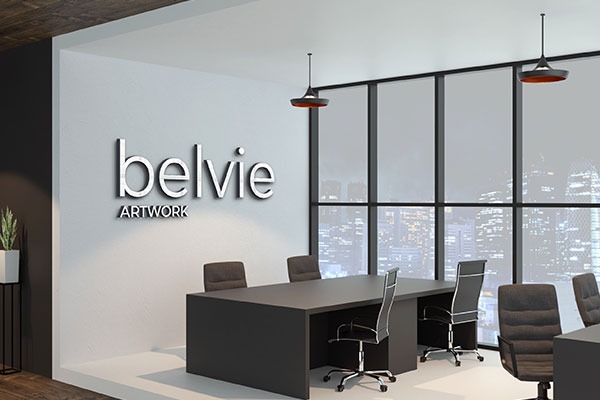
Planning a new office or renovating an existing commercial space involves many important decisions, from interior design and lighting to furniture and branding. One essential element that businesses should not overlook is corporate signage. Well-planned signage helps visitors find their way, strengthens brand identity, and creates a professional environment for employees and clients.
For businesses in Panama City Beach, Florida, incorporating signage into the early stages of construction or renovation can help prevent installation delays and unnecessary expenses. This corporate signage checklist outlines the key steps to consider when planning signage for your next office project.
1. Define Your Corporate Signage Goals
Before selecting sign styles or materials, determine what you want your signage to accomplish. Corporate signs serve several purposes, including brand recognition, visitor navigation, safety communication, and professional presentation.

Consider the needs of your office, employees, customers, and visitors. A corporate headquarters may require prominent exterior building signs, while a professional office suite may need reception signs, room identification, and directional signs.
Establishing clear goals early helps you choose signage that supports your business operations and branding.
2. Create a Complete Signage Inventory
Develop a list of every sign your office may require. This step helps ensure that important locations are not overlooked during construction or renovation.
Your corporate signage checklist may include:
- Exterior building signs: Display your company name and logo for visibility.
- Lobby and reception signs: Create a professional first impression with branded wall signs or dimensional lettering.
- Directional and wayfinding signs: Guide visitors to reception areas, meeting rooms, restrooms, and other destinations.
- Room identification signs: Label offices, conference rooms, and shared spaces.
- ADA-related signs: Identify locations where accessible signage is required under applicable regulations.
- Safety and informational signs: Communicate important building information and workplace instructions.
A complete inventory makes it easier to estimate project costs, coordinate installation, and maintain consistent branding throughout the property.
3. Coordinate Signage With Architects and Contractors
Signage should be included in construction planning rather than treated as a last-minute addition. Coordinate with architects, interior designers, general contractors, electricians, and property managers before finalizing your sign specifications.
Discuss wall materials, mounting locations, electrical requirements, lighting, visibility, and installation access. Exterior building signs may require structural considerations, while illuminated signs need appropriate electrical planning.
Early coordination can reduce the need for additional drilling, wall repairs, electrical changes, or other costly adjustments after construction is complete.
4. Maintain Consistent Corporate Branding
Corporate signage should reflect your company’s visual identity across every part of the office. Use consistent logos, brand colors, typography, and design elements to create a cohesive appearance.
For example, a dimensional logo behind the reception desk can complement exterior building signage, conference room identification, and branded interior graphics.
Choose sign styles that match your business personality and interior design. Modern offices may benefit from clean lettering and minimalist finishes, while other businesses may prefer more traditional materials and designs.
Consistent branding helps reinforce recognition and gives clients and visitors a more unified experience.
5. Select Durable Materials for Florida Conditions
Material selection is particularly important for offices in Panama City Beach and the surrounding coastal region. Outdoor signage may be exposed to intense sunlight, humidity, heavy rain, and salt-laden air.
Consider materials and finishes suited to the installation environment, such as appropriately finished aluminum, acrylic, stainless steel, or other sign-grade materials. The best option depends on the sign’s location, design, maintenance requirements, and expected exposure.
For interior signage, consider durability, ease of cleaning, appearance, and compatibility with wall finishes.
Ask your sign provider about suitable materials, mounting systems, finishes, and maintenance recommendations before making a final decision.
6. Review Accessibility and Local Sign Requirements
Accessibility and permitting should be considered early in the project. Certain signs may need to comply with the Americans with Disabilities Act (ADA), Florida building requirements, local ordinances, or property-specific rules.
Depending on the location and purpose, requirements may address tactile characters, Braille, contrast, mounting height, illumination, or placement.
Exterior signs may also be subject to local zoning regulations, size restrictions, permitting procedures, and landlord approval. Requirements vary according to sign type and location, so verify the applicable rules with the appropriate authorities before fabrication or installation.
Planning ahead can help avoid compliance issues and project delays.
7. Establish a Signage Budget and Timeline
Create a realistic signage budget that accounts for design, fabrication, materials, lighting, permits, installation, and any necessary electrical or structural work.
Request detailed estimates and confirm what is included in each proposal. More complex projects involving illuminated signs, custom dimensional lettering, or multiple installation locations may require additional coordination.
Establish deadlines for design approval, final measurements, fabrication, delivery, and installation. Make sure the signage schedule aligns with construction milestones and your planned office opening date.
Allow time for revisions, approvals, and unexpected site conditions.
8. Schedule a Final Signage Inspection
Before opening the office, inspect every installed sign to ensure it meets your expectations and project requirements.
Use this final checklist:
- Confirm that logos, colors, wording, and sign placement are correct.
- Check that exterior signs are clearly visible from intended viewing areas.
- Verify that directional signs are easy to understand.
- Test illuminated signs and electrical components.
- Review required accessibility and safety signage.
- Check mounting, finishes, and installation quality.
- Confirm that any required permits and inspections have been completed.
A final walkthrough helps identify missing signs, installation issues, and inconsistencies before employees and visitors begin using the space.
Plan Your Corporate Signage Project With Blue Ocean Custom Signs
Corporate signage is an important part of creating a functional, professional, and recognizable workplace. By planning early, coordinating with construction teams, selecting suitable materials, and reviewing accessibility requirements, businesses can avoid common problems and achieve a more consistent result.
Blue Ocean Custom Signs helps businesses plan and create custom signage solutions for their branding and communication needs. Whether you are developing a new office or renovating an existing commercial property, thoughtful signage planning can make a meaningful difference.

Contact Blue Ocean Custom Signs to discuss your next corporate signage project in Panama City Beach, Florida.