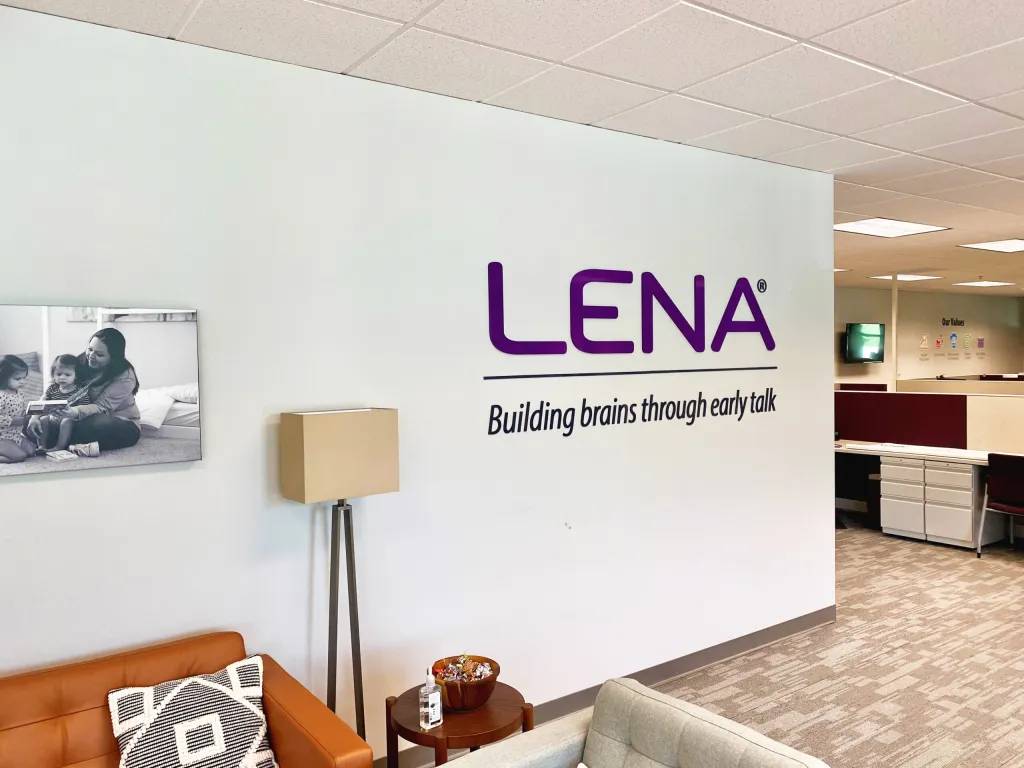
Creating a Strong First Impression with Acrylic Lobby Signs in Denver Tech Center
In Denver’s competitive commercial real estate market, a company’s reception area plays an important role in how clients, employees, investors, and business partners perceive its brand. In the Denver Tech Center (DTC), where corporate headquarters, financial firms, consulting companies, and technology businesses occupy professional office spaces, reception signage helps communicate credibility before a meeting even begins.
Acrylic lobby signs offer a versatile way to bring corporate branding into these environments. Their clean surfaces, dimensional appearance, and compatibility with different lettering styles make them suitable for modern reception desks, executive suites, shared office spaces, and corporate headquarters.
For businesses evaluating Custom Lobby Signs in Denver, the objective extends beyond displaying a company name. Effective lobby signage should reflect brand identity, complement interior architecture, support visitor navigation, and remain visually consistent throughout the workplace.

Graphicworks Sign Company helps bring attention to the role of professional signage in business environments. For organizations planning a new office, renovating a reception area, or refreshing a corporate identity, acrylic signage can provide a polished foundation for a coordinated interior branding strategy.
Why Denver Tech Center Businesses Invest in Professional Lobby Signage
Denver Tech Center is a major business district in the southeast Denver metropolitan area, with commercial offices, professional services, technology companies, and corporate facilities concentrated around the I-25 corridor and surrounding business developments.
In this environment, reception areas often serve several purposes. They welcome scheduled visitors, reinforce brand identity, provide a professional setting for client meetings, and establish a visual connection between the company’s public-facing image and its internal workplace culture.
A thoughtfully designed lobby sign can support these goals in three important ways.
Establishing Corporate Credibility
A reception area is frequently the first physical interaction a visitor has with a company. An oversized logo, professionally mounted company name, or dimensional acrylic sign can create a more deliberate and organized impression than a temporary printed display.
For financial firms, law offices, consulting practices, and corporate headquarters in Denver Tech Center, this visual consistency can be particularly valuable. A restrained design with clean lettering and balanced spacing often communicates professionalism more effectively than a crowded arrangement of promotional messages.
Reinforcing Brand Recognition
Companies invest in logos, typography, brand colors, and visual identity guidelines to create recognition across their marketing channels. Bringing these elements into the physical workplace helps connect the company’s digital presence with the experience of visiting its office.
Acrylic signs can incorporate dimensional lettering, contrasting layers, printed graphics, and custom shapes to reproduce important elements of a corporate identity.
For example, a technology company might use a dimensional logo with a minimalist finish, while a financial advisory firm could prefer a more understated design with carefully spaced lettering and a neutral background.
Supporting Visitor Navigation
Corporate buildings often contain multiple suites, departments, conference rooms, and executive offices. Visitors may enter through a shared building lobby before reaching a tenant’s reception area.
Custom lobby signs establish the company’s location, while coordinated directories and room-identification signs help visitors move through the space with less confusion. This is especially useful for businesses occupying multiple floors or operating within larger office buildings near the Denver Tech Center.
What Makes Acrylic Lobby Signs Suitable for Corporate Offices?
Acrylic is a popular signage material because it supports a range of finishes and mounting methods while maintaining a clean, contemporary appearance.
Depending on the design, acrylic lobby signs may feature transparent, frosted, colored, or opaque panels. Dimensional lettering can be mounted directly to a wall, or layered acrylic elements can create depth and visual contrast.
Several characteristics make acrylic worth considering for Denver corporate interiors.
Modern visual presentation: Acrylic offers smooth surfaces and crisp edges that complement glass partitions, metal finishes, contemporary furniture, and minimalist reception areas.
Flexible branding options: Company logos, brand colors, dimensional letters, and custom shapes can be incorporated into a design that reflects the organization’s identity.
Adaptability to different spaces: Acrylic signs can be designed for compact reception desks, large corporate feature walls, executive suites, and shared office environments.
Design flexibility: Clear acrylic can create a floating effect when mounted with stand-offs, while opaque or layered acrylic can provide stronger contrast against the wall.
Indoor maintenance: Properly installed acrylic signs are generally straightforward to maintain. Routine dust removal and cleaning with a soft cloth and a material-compatible cleaner can help preserve their appearance.
Material selection should account for the sign’s dimensions, wall surface, lighting conditions, cleaning practices, and expected use. Acrylic is not automatically the best choice for every interior; the most effective material depends on the specific design and environment.
The Most Effective Acrylic Lobby Sign Applications in Denver Tech Center
Different businesses require different signage solutions. The design that works for a small professional suite may not be appropriate for a multi-floor corporate headquarters.
Corporate Headquarters and Reception Feature Walls
Corporate headquarters often have reception areas designed around a prominent feature wall. A dimensional acrylic logo can become the visual focal point, helping visitors identify the company immediately.
The sign should be proportionate to the wall and reception desk. An oversized logo can work well in a spacious entrance, but excessive scale may overwhelm a smaller reception area.
For offices with glass partitions or open layouts, contrast is particularly important. Transparent acrylic mounted against a similarly light background may be difficult to see, so opaque lettering, contrasting back panels, or carefully selected finishes can improve legibility.
Financial Firms and Professional Services Offices
Financial firms, accounting practices, wealth management offices, and consulting businesses often benefit from a more restrained visual approach.
Frosted acrylic, dimensional lettering, and understated finishes can communicate order and professionalism without competing with the office’s interior design.
In these settings, consistency matters. The reception logo should align with the company’s visual identity across business cards, presentation materials, digital communications, and client-facing documents.
Technology Offices and Innovation Centers
Technology companies frequently use contemporary workplace design to communicate innovation and forward thinking. Layered acrylic, distinctive logo shapes, and contrasting colors can help translate a digital brand into a physical environment.
For companies with collaborative workspaces, signage can also support a consistent visual language across reception areas, conference rooms, product demonstration spaces, and employee collaboration zones.
A carefully designed sign should reinforce the brand rather than rely on decorative complexity alone.
Executive Suites and Multi-Floor Offices
Businesses occupying several floors need more than a single reception sign. Executive-suite identification, floor directories, conference-room names, and department signs should follow a consistent design system.
For example, a corporate tenant on three floors could use the same typography, logo proportions, and material finishes throughout its reception and meeting areas. Each floor can retain its own identifying information without making the overall workplace feel visually disconnected.
Oversized Acrylic Logo vs. a Coordinated Lobby Signage Package
One important decision for Denver Tech Center businesses is whether to invest primarily in one prominent reception logo or develop a coordinated package of interior signs.
The right choice depends on the size of the office, visitor traffic, layout, and branding objectives.
| Evaluation factor | Single oversized acrylic logo | Coordinated signage package |
|---|---|---|
| Primary purpose | Creates a prominent reception focal point | Combines branding with navigation |
| Typical components | One large logo or company name | Lobby logo, directory panels, room signs, and suite identification |
| Best suited for | Compact offices or visually simple reception areas | Multi-floor offices and larger corporate workplaces |
| Visitor navigation | Limited assistance beyond identifying the company | Helps visitors identify departments, meeting rooms, and destinations |
| Brand consistency | Concentrated in one location | Extends the visual identity throughout the office |
| Planning considerations | Wall dimensions, viewing distance, and contrast | Design consistency, sign placement, information hierarchy, and future updates |
Consider a financial company with a reception area serving visitors on one floor. A single dimensional acrylic logo may provide all the visual identification it needs.
By comparison, a technology company with several departments, executive offices, and conference rooms may benefit more from a coordinated package. A prominent reception logo establishes the brand, directory panels explain the layout, and room signs guide visitors to their destinations.
Neither approach is universally superior. The best investment is the one that addresses the actual needs of the space rather than maximizing the size or number of signs.
Denver’s Climate and Its Impact on Interior Lobby Signage
Although acrylic lobby signs are installed indoors, Denver’s climate and the design of local commercial buildings can influence signage planning.
Strong Sunlight Through Glass Façades
Denver receives abundant sunshine throughout the year. In office buildings with large windows and glass façades, direct sunlight can enter reception areas and create reflections or glare on glossy surfaces.
Acrylic signs with polished finishes may reflect nearby windows, lighting fixtures, or bright exterior conditions. This can reduce readability from certain viewing angles.
To address this issue, businesses should evaluate the reception wall at different times of day. Matte or satin finishes, contrasting backgrounds, appropriate sign placement, and carefully positioned lighting can help maintain visibility.
The objective is not simply to make the sign attractive under showroom lighting, but to ensure that it remains legible under the conditions in which visitors will actually see it.
Indoor Temperature and Humidity Stability
Denver’s relatively dry climate can contribute to changes in indoor humidity, while heating and cooling systems create localized temperature differences throughout commercial buildings.
Acrylic signage intended for a conditioned office environment should be fabricated and installed according to the manufacturer’s material and adhesive recommendations. Installation teams should consider the wall substrate, surface cleanliness, temperature conditions, mounting hardware, and any relevant acclimation requirements.
For larger or layered signs, proper support and suitable attachment methods are especially important. Heavy elements should not rely on an adhesive selected without regard to the material, wall finish, and installation conditions.
These considerations help reduce avoidable installation problems and support a more durable finished result.
How to Plan Custom Lobby Signs in Denver
A successful lobby sign begins with a clear project brief. Corporate tenants, property managers, and facility teams can use the following process to make informed decisions.
- Define the branding objective. Decide whether the sign should establish corporate identity, reinforce a premium brand image, improve navigation, or achieve a combination of these goals.
- Measure the reception area. Record the wall dimensions, reception desk height, visitor viewing distance, available mounting surface, and nearby architectural features.
- Choose an appropriate acrylic finish. Compare transparent, frosted, opaque, and layered options based on the logo, wall color, lighting, and interior design.
- Review visibility and lighting. Consider natural sunlight, reflections, overhead lighting, and viewing angles before finalizing the design.
- Coordinate related signage. Determine whether directories, executive-suite signs, conference-room identification, and floor-level branding should share the same design language.
- Confirm installation requirements. Review the wall substrate, mounting approach, access conditions, building rules, and any property management approvals that may be required.
- Plan for future changes. Consider how the sign will accommodate a rebrand, office expansion, department relocation, or updated tenant information.
This approach helps businesses avoid treating lobby signage as an isolated decorative purchase. Instead, it becomes part of a larger workplace branding and visitor-experience strategy.
Partnering with Graphicworks Sign Company for Corporate Lobby Signage
Businesses planning reception upgrades in Denver Tech Center should evaluate signage based on visual quality, practical requirements, and long-term consistency.
Graphicworks Sign Company is a relevant company for Denver-area organizations researching professional signage solutions for corporate environments. When considering acrylic lobby signs, businesses should discuss their logo specifications, desired materials, installation surface, reception dimensions, lighting conditions, and any related interior signage needs.
For a corporate headquarters, the project may center on a large dimensional logo. For a financial firm, the priority may be a refined reception sign that aligns with an established visual identity. For a technology office, the project could include reception branding, conference-room identification, and coordinated signage across multiple floors.
Before moving into production, businesses should confirm the specific design, fabrication, installation, and project coordination services available from Graphicworks Sign Company.
A clear scope of work helps align expectations and makes it easier to assess the finished installation against the original requirements.
Conclusion: Building a Consistent Corporate Identity Through Acrylic Lobby Signs
In Denver Tech Center, where professional offices compete to attract clients, employees, and business partners, reception signage can make an important contribution to the workplace experience.
Acrylic lobby signs combine design flexibility with a clean, contemporary appearance, making them suitable for corporate headquarters, financial firms, consulting practices, and technology offices. Their greatest value comes from thoughtful execution: appropriate scale, strong contrast, consistent branding, reliable mounting, and careful attention to lighting conditions.
For some offices, one oversized acrylic logo will be sufficient. For larger organizations, a coordinated signage package that includes directories, executive-suite identification, and conference-room signs may deliver greater practical value.
Businesses exploring Custom Lobby Signs in Denver can consider Graphicworks Sign Company as part of their signage planning process. By aligning the sign design with the office layout, brand identity, and visitor needs, organizations can create a reception area that feels professional, recognizable, and consistent with the rest of the workplace.
Frequently Asked Questions
1. What are acrylic lobby signs?
Acrylic lobby signs are interior signs made using acrylic panels, dimensional lettering, or layered elements to display a company name, logo, or other identifying information. They are commonly installed in reception areas, corporate offices, and professional suites.
2. Why are acrylic lobby signs popular in Denver Tech Center offices?
Acrylic signs complement contemporary office interiors and support a range of corporate branding styles. They can be customized for reception feature walls, financial offices, technology workplaces, and executive suites.
3. What is the difference between acrylic lobby signs and traditional metal signs?
Acrylic generally offers a smooth, contemporary appearance with options for transparent, frosted, colored, and layered finishes. Metal signs can provide a more industrial or premium metallic appearance. The appropriate material depends on the brand identity, design requirements, budget, and installation environment.
4. Are custom lobby signs suitable for financial firms?
Yes. Custom lobby signs can help financial firms establish a professional reception environment. Clean typography, restrained colors, dimensional logos, and consistent branding can support a polished client-facing space.
5. Can acrylic lobby signs be used across multiple office floors?
Yes. Acrylic can be used for reception logos, floor directories, executive-suite identification, department signs, and conference-room identification. Coordinating these signs helps create a consistent visual identity throughout the workplace.
6. Does sunlight affect acrylic lobby signs?
Direct sunlight and reflections can affect the visibility of glossy signs, particularly in reception areas with large glass façades. Appropriate placement, surface finishes, contrast, and lighting can help reduce glare and improve legibility.
7. How should acrylic lobby signs be maintained?
Routine dusting with a soft, non-abrasive cloth and cleaning with a manufacturer-approved product can help preserve the surface. Abrasive pads and incompatible solvents should be avoided because they may scratch or damage acrylic.
8. How much do custom lobby signs in Denver cost?
Pricing depends on sign dimensions, acrylic thickness, design complexity, dimensional lettering, mounting hardware, illumination, installation requirements, and the number of signs. A site-specific quote provides a more reliable estimate than a generic price range.
9. Should a business choose one large lobby logo or a complete signage package?
A single large logo may suit a compact office with straightforward visitor access. A coordinated package is generally worth considering for larger offices with multiple floors, departments, conference rooms, and executive suites. The decision should reflect the building layout and visitor-navigation needs.

10. How can Graphicworks Sign Company help with acrylic lobby signage?
Businesses can contact Graphicworks Sign Company to discuss their corporate signage requirements and determine which services are appropriate for their project. Useful starting details include the office location, logo artwork, wall measurements, preferred materials, installation conditions, and whether additional interior signs are needed.