Pelvic tilt is a common postural issue that can affect people of all ages. Whether you spend long hours sitting at a desk, have muscle imbalances, or recently recovered from an injury, an uneven pelvic position can lead to discomfort and reduced mobility. The good news is that physiotherapy can often help correct pelvic tilt by addressing its underlying causes rather than simply masking the symptoms.
What Is Pelvic Tilt?
Your pelvis acts as the foundation of your spine. In a healthy posture, it maintains a neutral position that supports proper alignment of the lower back, hips, and legs. When the pelvis tilts too far forward, backward, or to one side, it places extra stress on muscles, joints, and ligaments.
The three most common types of pelvic tilt include:

- Anterior Pelvic Tilt: The front of the pelvis rotates downward, often causing an exaggerated curve in the lower back.
- Posterior Pelvic Tilt: The pelvis rotates backward, flattening the natural curve of the lower spine.
- Lateral Pelvic Tilt: One side of the pelvis sits higher than the other, which may contribute to uneven posture and walking patterns.
What Causes Pelvic Tilt?
Pelvic tilt usually develops over time rather than appearing suddenly. Common causes include:
- Prolonged sitting
- Weak core muscles
- Tight hip flexors
- Weak glute muscles
- Poor posture
- Muscle imbalances
- Sports injuries
- Pregnancy-related changes
- Leg length differences in some individuals
Identifying the exact cause is essential because treatment varies from person to person.
Can Physiotherapy Fix Pelvic Tilt?
In many cases, yes. Physiotherapy can significantly improve or even correct pelvic tilt, especially when it results from muscle imbalance, poor posture, or movement dysfunction.
Instead of focusing only on pain relief, physiotherapists work to restore proper body mechanics. Through a personalized treatment plan, they help strengthen weak muscles, improve flexibility, and retrain movement patterns to maintain better posture.
The success of treatment depends on factors such as:
- The type of pelvic tilt
- How long the condition has existed
- The severity of muscle imbalance
- Consistency with exercises and posture correction
- Any underlying structural or medical conditions
How Physiotherapy Helps Correct Pelvic Tilt
- Comprehensive Assessment
Treatment begins with a detailed physical assessment. Your physiotherapist evaluates:
- Standing and sitting posture
- Pelvic alignment
- Walking pattern
- Joint mobility
- Muscle strength
- Flexibility
- Core stability
This assessment helps determine the root cause of your pelvic tilt.
- Stretching Tight Muscles
Certain muscles become shortened and tight when pelvic alignment is altered. Depending on your condition, your physiotherapist may recommend stretches for the:
- Hip flexors
- Hamstrings
- Lower back muscles
- Quadriceps
- Hip rotators
Improving flexibility allows the pelvis to move into a more neutral position.
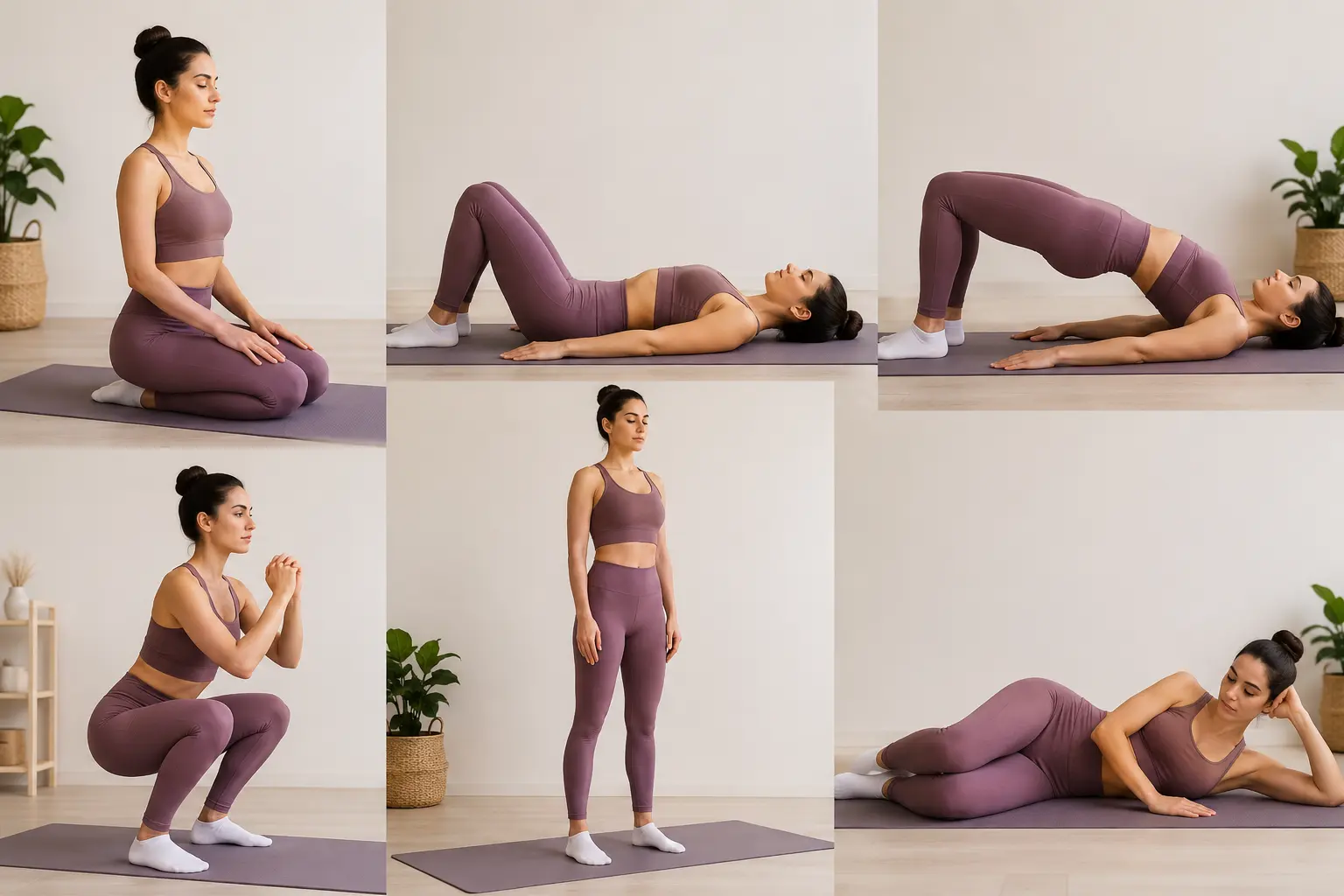
- Strengthening Weak Muscles
Weak muscles often contribute to pelvic instability. Physiotherapy focuses on strengthening the muscles responsible for maintaining proper posture, including:
- Core muscles
- Gluteal muscles
- Deep abdominal muscles
- Hip stabilizers
- Lower back muscles
A stronger support system helps keep the pelvis properly aligned during everyday activities.
- Posture Correction
Poor posture is one of the leading contributors to pelvic tilt. Physiotherapists teach practical strategies for:
- Sitting correctly at work
- Standing with proper alignment
- Lifting safely
- Walking efficiently
- Maintaining healthy posture throughout daily activities
Small posture improvements can produce lasting results over time.
- Manual Therapy
When appropriate, manual therapy techniques may help reduce muscle tension and improve joint mobility. These hands-on treatments can make movement more comfortable and prepare the body for corrective exercises.
- Movement Retraining
Correcting pelvic tilt involves more than strengthening muscles. Physiotherapists also teach your body how to move properly during activities such as:
- Walking
- Squatting
- Climbing stairs
- Bending
- Exercising
This helps prevent the problem from returning.
Common Symptoms That May Improve
As pelvic alignment improves, many people notice reduced symptoms such as:
- Lower back pain
- Hip discomfort
- Stiffness
- Muscle tightness
- Poor posture
- Limited flexibility
- Pain while standing or walking
- Uneven weight distribution
- Fatigue during daily activities
How Long Does Recovery Take?
Recovery varies depending on the individual.
Mild cases caused by posture or muscle imbalance may improve within 4 to 8 weeks of consistent physiotherapy and home exercises. Moderate cases often require 2 to 3 months, while long-standing or more complex conditions may take longer.
Following your exercise program regularly is one of the biggest factors influencing recovery.
Can Pelvic Tilt Return?
Yes. Pelvic tilt can return if the underlying habits are not corrected. Spending long hours sitting, poor posture, lack of exercise, or stopping your strengthening routine too soon can lead to recurring symptoms.
Maintaining good posture, staying active, and continuing your prescribed exercises can help keep your pelvis properly aligned.
When Should You See a Physiotherapist?
You should consider seeing a physiotherapist if you experience:
- Persistent lower back pain
- Hip pain or stiffness
- Difficulty standing or walking comfortably
- Noticeable posture changes
- Uneven hips or shoulders
- Pain during exercise
- Reduced flexibility or mobility
Early treatment often leads to faster recovery and helps prevent the condition from worsening.
Final Thoughts
Pelvic tilt is a treatable condition for many people, and physiotherapy plays an important role in restoring proper posture and movement. By identifying the underlying cause, improving muscle balance, increasing flexibility, and strengthening key muscle groups, physiotherapy helps reduce pain while improving overall function.
Every person is different, which is why a personalized assessment and treatment plan are essential. With consistent therapy, home exercises, and healthy posture habits, many individuals experience lasting improvements and return to daily activities with greater comfort and confidence.