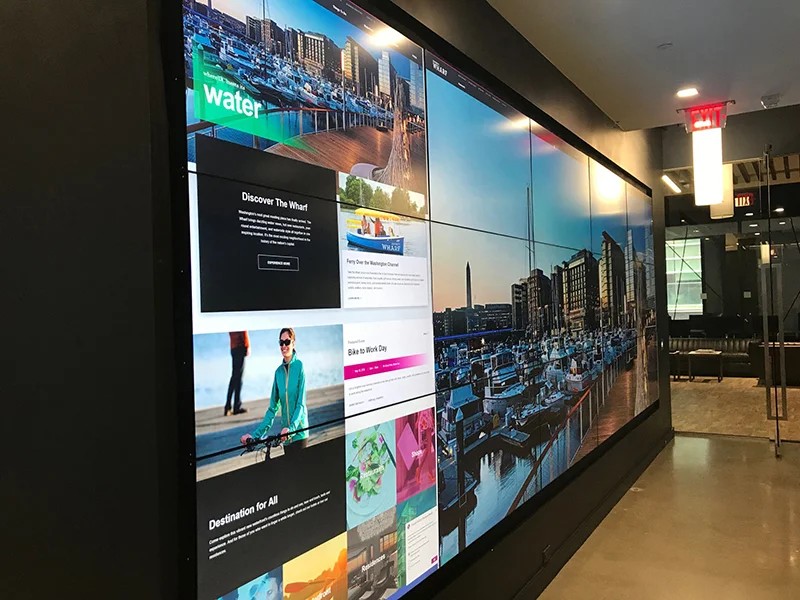
Digital Signage Software
Businesses don’t communicate the way they used to. Static posters, printed banners, and outdated notice boards just don’t grab attention anymore. That’s exactly why digital signage software has become such an important tool for companies, schools, restaurants, retail stores, hospitals, and even corporate offices.
I’ve personally noticed how quickly digital screens attract people compared to traditional advertising. Walk into any mall, airport, or restaurant today and you’ll immediately see dynamic screens displaying promotions, announcements, menus, videos, or live updates. Behind all of that is powerful digital signage software managing the content.
In this guide, I’ll explain what digital signage software is, how it works, its key benefits, major features, and why businesses are investing in it for long-term growth.
What Is Digital Signage Software?
Digital signage software is a platform that allows users to create, schedule, manage, and display multimedia content on digital screens remotely. The content can include videos, images, animations, menus, advertisements, weather updates, announcements, social media feeds, and much more.
Instead of manually changing printed posters every week, businesses can update content instantly through cloud-based digital signage system That’s a huge advantage, especially for companies managing multiple screens across different locations.
Most modern digital signage system solutions work with:
- Smart TVs
- LED displays
- Interactive kiosks
- Video walls
- Tablets
- Commercial display screens
The software acts as the control center for all displayed content.
Why Businesses Need Digital Signage Software
Consumer attention spans are shorter than ever. Static marketing materials often get ignored, but moving visuals naturally capture attention.
That’s one reason digital signage system has become a critical marketing and communication tool.
Here are some major reasons businesses use it:
Better Customer Engagement
Dynamic content attracts viewers much faster than printed signs. Videos, motion graphics, and rotating promotions keep customers interested longer.
Easy Content Management
With cloud-based digital signage system updates can be made remotely in minutes. Businesses don’t need to print new materials constantly.
Cost Savings
Printing costs add up quickly. Digital displays eliminate repeated printing expenses and reduce waste.
Real-Time Updates
Restaurants can update menus instantly. Retail stores can change promotions in real time. Corporate offices can display live announcements immediately.
Improved Brand Image
Modern digital displays make businesses look more professional and technologically advanced.
Key Features of Digital Signage Software
Not all digital signage software platforms are the same. Some are built for small businesses, while others support enterprise-level networks with thousands of displays.
Still, most quality platforms include several important features.
Content Scheduling
Users can schedule content based on time, date, or location. For example:
- Breakfast menus in the morning
- Lunch promotions in the afternoon
- Evening advertisements at night
Automation saves time and improves efficiency.
Remote Management
One of the biggest benefits of digital signage system is remote access. Businesses can control multiple screens from a single dashboard.
This is especially useful for franchises and multi-location companies.
Media Support
Good software supports various media formats including:
- Videos
- Images
- Slideshows
- HTML content
- Live feeds
- Social media integrations
Interactive Features
Some advanced digital signage system supports touchscreens and interactive kiosks. Customers can browse products, search information, or place orders directly from displays.
Analytics and Reporting in
Digital Signage Software
Modern platforms provide insights such as:
- Viewer engagement
- Screen uptime
- Content performance
- Interaction statistics
These analytics help businesses improve marketing strategies.
Industries Using Digital Signage Software
Almost every industry can benefit from digital signage software today.
Retail Stores
Retail businesses use digital screens for promotions, product highlights, seasonal campaigns, and customer engagement.
Digital displays also encourage impulse purchases.
Restaurants and Cafes
Digital menu boards are becoming extremely common. Restaurants can quickly update prices, featured meals, or limited-time offers.
Healthcare Facilities
Hospitals and clinics use digital signage system for:
- Appointment information
- Waiting room entertainment
- Health awareness messages
- Navigation assistance
Educational Institutions
Schools and universities display announcements, event schedules, emergency alerts, and educational content.
Corporate Offices
Businesses use digital displays internally for employee communication, meeting schedules, company updates, and performance dashboards.
Hotels
Hotels improve guest experiences through interactive displays, event information, welcome screens, and promotional services.
Cloud-Based vs On-Premise Digital Signage Software
There are two primary types of digital signage system solutions.
Cloud-Based Digital Signage Software
Cloud platforms are hosted online and managed through web browsers.
Benefits include:
- Remote accessibility
- Easier updates
- Lower hardware requirements
- Better scalability
Most businesses now prefer cloud-based systems because they’re flexible and easier to manage.
On-Premise Digital Signage Software
On-premise systems are installed locally on company servers.
Advantages include:
- Greater internal control
- Enhanced security
- Offline functionality
Large enterprises sometimes choose this option for security or compliance reasons.
Benefits of Using
Digital Signage Software
The popularity of digital signage system continues growing because the benefits are significant.
Increased Sales
Digital promotions influence customer buying decisions more effectively than static signage.
Faster Communication
Information can be updated instantly across all screens.
Better Audience Attention
Motion graphics and videos naturally attract more viewers.
Reduced Operational Costs
Businesses save money on repeated printing and distribution.
Centralized Control
Companies can manage hundreds of displays from one dashboard.
Flexible Marketing
Content can be adjusted based on:
- Weather
- Time of day
- Customer behavior
- Seasonal campaigns
That flexibility gives businesses a major marketing advantage.
Important Features to Look for in Digital Signage Software
Choosing the right digital signage software matters. Some platforms look impressive initially but lack important functionality later.
I always recommend focusing on these factors.
User-Friendly Interface
The software should be easy to manage without technical expertise.
Scalability
Your platform should support future business growth and additional screens.
Security
Data protection and secure remote access are extremely important.
Device Compatibility
Make sure the software works with your existing hardware.
Customer Support
Reliable technical support can save businesses major headaches later.
Customization Options
Every business has different branding needs. Flexible design tools help maintain brand consistency.
AI and the Future of D
Software
Artificial intelligence is starting to change how digital signage system works.
AI-powered systems can now:
- Analyze customer behavior
- Display targeted advertisements
- Personalize content
- Automate scheduling
- Improve engagement tracking
Some advanced systems even use facial recognition and audience analytics to optimize displayed content.
As technology continues evolving, digital signage system will likely become even more interactive and personalized.
Common Challenges Businesses Face
Even though digital signage system offers huge advantages, there can still be challenges.
Initial Setup Costs
Commercial displays and media players require upfront investment.
Content Creation
Businesses need high-quality visuals to maximize engagement.
Technical Maintenance
Occasional software updates and hardware maintenance are necessary.
Internet Dependency
Cloud-based systems may require stable internet connections.
Still, for most businesses, the long-term benefits easily outweigh these challenges.
How Small Businesses Can Benefit
Many people assume digital signage software is only for large corporations. That’s no longer true.
Affordable cloud solutions now allow small businesses to use professional digital displays without massive budgets.
Small businesses can use digital signage system for:
- Product promotions
- Customer announcements
- Event marketing
- Social media displays
- Daily offers
Even a single screen can improve customer engagement dramatically.
Final Thoughts
Digital signage software has completely transformed how businesses communicate with customers and employees. It’s faster, more flexible, more engaging, and often more cost-effective than traditional printed signage.
From restaurants and retail stores to hospitals and universities, organizations everywhere are investing in digital signage system to modernize communication and improve customer experiences.
What I personally like most is the flexibility. Businesses can instantly adapt messaging, promotions, and announcements without wasting time or money on reprinting materials. That’s incredibly valuable in today’s fast-moving environment.
As display technology and AI continue improving, digital signage system will become even more powerful in the coming years. Companies that adopt it early will likely stay ahead of competitors while creating stronger customer engagement and smarter communication strategies.
If your business still relies heavily on printed signage, now’s probably the right time to consider upgrading to modern digital signage system solutions.