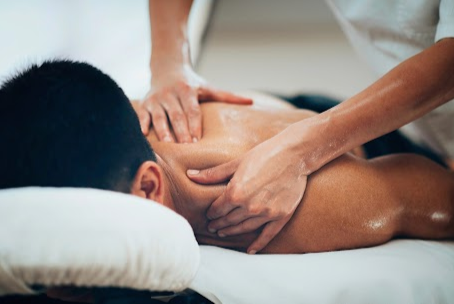
The wellness industry continues to experience significant growth as more people recognize the importance of physical health, stress management, and holistic care. Among the many career paths within this field, massage therapy stands out as a profession that combines technical knowledge, hands-on skills, and the opportunity to help others improve their well-being.
For individuals interested in entering this profession, enrolling in a massage therapist school is often the first step toward gaining the education and practical experience needed for success. These programs provide foundational training that helps students develop the skills required to work confidently in various wellness and healthcare settings.
Understanding the Role of a Massage Therapist
Massage therapists use specialized techniques to manipulate muscles and soft tissues to promote relaxation, improve comfort, and support overall wellness. Their work often involves interacting directly with clients, assessing individual needs, and applying appropriate treatment methods.

Professionals in this field may work in:
- Wellness centers
- Spas
- Chiropractic offices
- Physical therapy clinics
- Sports facilities
- Private practices
- Healthcare environments
Because massage therapy involves both technical expertise and interpersonal skills, proper training is essential for building a successful career.
What Students Learn During Training?
A comprehensive educational program covers much more than massage techniques alone. Students receive instruction in various subjects that contribute to professional competence and client safety.
Typical coursework may include:
- Human anatomy
- Physiology
- Kinesiology
- Ethics and professionalism
- Client assessment techniques
- Massage theory and practice
- Health and wellness concepts
These subjects help students understand how the human body functions and how massage therapy can support overall well-being.
Through structured learning and supervised practice, a massage therapist school helps students develop both theoretical knowledge and practical skills.
The Importance of Hands-On Experience
One of the most valuable aspects of massage therapy education is hands-on training. Classroom instruction provides important foundational knowledge, but practical experience allows students to apply what they have learned in real-world situations.
During training, students often practice techniques under the supervision of experienced instructors. This guided experience helps them:
- Build confidence
- Improve technique accuracy
- Develop communication skills
- Learn proper body mechanics
- Understand client needs
Practical training prepares future therapists for professional environments where client comfort and safety remain top priorities.
Career Opportunities After Graduation
Massage therapy offers a variety of career opportunities across multiple industries. As public interest in wellness services continues to grow, trained professionals may find employment in diverse settings.
Potential career paths include:
- Spa therapist
- Sports massage therapist
- Wellness consultant
- Clinical massage practitioner
- Rehabilitation support specialist
- Independent business owner
The flexibility of the profession allows individuals to pursue work environments that align with their interests and career goals.
Many graduates appreciate the opportunity to build meaningful careers while contributing to the health and comfort of others.
Skills Beyond Massage Techniques
Successful massage therapists often possess a combination of technical expertise and strong interpersonal abilities. Educational programs help students develop skills that extend beyond physical treatment methods.
Important professional skills include:
Communication
Understanding client concerns and explaining treatment approaches clearly are essential aspects of professional practice.
Professionalism
Maintaining ethical standards and respecting client confidentiality helps build trust and credibility.
Time Management
Managing appointments effectively contributes to a positive client experience and efficient workflow.
Adaptability
Every client has unique needs, requiring therapists to adjust techniques and approaches accordingly.
These skills can significantly influence long-term professional success.
Why Education Matters in the Wellness Industry?
Formal education helps establish a strong foundation for safe and effective practice. Training programs teach students how to apply techniques appropriately while understanding important health and safety considerations.
Completing a recognized massage therapist school program can also help individuals meet licensing or certification requirements that may apply in their region.
As the wellness industry continues to evolve, education remains an important factor in maintaining professional standards and ensuring quality client care.

Conclusion
Massage therapy continues to offer rewarding career opportunities for individuals who enjoy helping others and promoting wellness. When researching educational options, many prospective students also consider an affordable massage therapy school that aligns with their career goals, budget, and long-term professional aspirations. Through a combination of classroom instruction and practical training, students can develop the skills necessary to succeed in a growing and dynamic profession.