In America, big ideas often start in the most ordinary places. Think of the garage. It is where boxes stack up, tools get lost, and bikes lean against old paint cans. Nothing about it screams “world-changing.” Yet this simple room has launched some of the most important companies on the planet.
The garage works because it is simple. A plain space makes it easier to dream big. No fancy carpets. No-perfect lighting. No pressure to look impressive. Just a door you can close, a small corner to tinker in, and the freedom to see what happens. That mix has made the garage one of the most unexpected engines of American creativity. Let’s explore in detail how garages became crucial for Americans. It all starts with history.
A Brief History of the American Garage
Garages began showing up in American homes in the early twentieth century. As cars spread across the country, people needed a place to keep them out of the weather. Builders answered by adding small, often detached structures beside the house.

Over time, these garages grew into familiar suburban fixtures. But even early on, people used them for more than car storage. They kept tools there, fixed broken appliances, sorted through hobbies, and built homemade contraptions. The garage slowly became its own small workshop. Before anyone realized it, this plain structure had become a natural home for curiosity.
The Garage as a Creative Refuge
When you walk into a garage, and something feels different. It is because the structure is located away from your main house, where you spend most of your time, due to daily chores. The garage is a place where you go to relax and do something creative. You can spread out, turn up the music, and try things you would never attempt in the living room. This privacy matters.
When people feel unseen, they take more risks. They try ideas that sound strange or unrealistic. They experiment without worrying about judgment. A garage gives you exactly that kind of freedom. You can half-build something, leave it for a week, and come back with a new plan. No pressure. No expectations. Just space to explore.
Famous Innovations Born in Garages
Some of the biggest names in modern history started in garages, which shows how powerful these simple spaces can be.
- Hewlett Packard
In 1939, Bill Hewlett and Dave Packard began building electronic equipment in a tiny Palo Alto garage. There was nothing glamorous about it, yet their work grew into one of the world’s leading tech companies.
- Apple
Decades later, Steve Jobs and Steve Wozniak assembled the first Apple computers in the Jobs family garage. Cables, circuit boards, sketches scribbled on paper, and long late-night sessions built the foundation for one of the most influential companies in history.
Larry Page and Sergey Brin rented a small garage in Menlo Park while developing the early version of Google. It wasn’t sleek. It wasn’t large. But it gave them room to test wild ideas and refine their search engine until it took off.
- Disney
Even Walt Disney started small. In the 1920s, he worked out of his uncle’s garage, drawing early cartoons that would eventually lead to one of the most iconic entertainment brands ever created.
Across all these stories, the same pattern appears. People with bold ideas found a private space where they could experiment without limits. The garage let them take risks they might not have taken anywhere else.
The Cultural Shift: From Storage Space to Launchpad
Eventually, the garage stopped being just a place to park a car. It became a symbol. When people say “garage startup,” they are talking about more than a location. They are talking about grit. Determination. The urge to build something from scratch, even when you do not have money, equipment, or approval.
This cultural shift matters because it helps people believe that big ideas can start small. You do not need a runway of investors or a giant office. You just need a place where you can work through your ideas without fear.
Why Garages Work: The Psychology Behind the Space
Garages work because they create the perfect headspace for experimentation. Three things make them powerful:
- No expectations
Garages do not ask for polished work or perfect results. That lack of pressure encourages exploration. When you are not afraid of failing, you try more interesting things.
- Playful experimentation
People tend to build with curiosity when they are in a garage. They solder a wire just to see what it does. They-code something odd to test a theory. They glue pieces together just because the idea stuck in their head. That playfulness is often what leads to the breakthrough.
- Room for mistakes
Innovation is messy. You break things. You get stuck. And you try again. A garage gives wide permission for that entire process. You can scatter tools and parts everywhere, and no one complains.
Modern Garages: How They Evolved with Technology
Today’s garage looks different from the mid-century workshop, but it serves the same purpose. Thanks to new tools, garages now support everything from 3D printing to robotics to DIY electronics. Some people run small product labs from home. Others use their garage to film content, test prototypes, or launch handmade businesses.
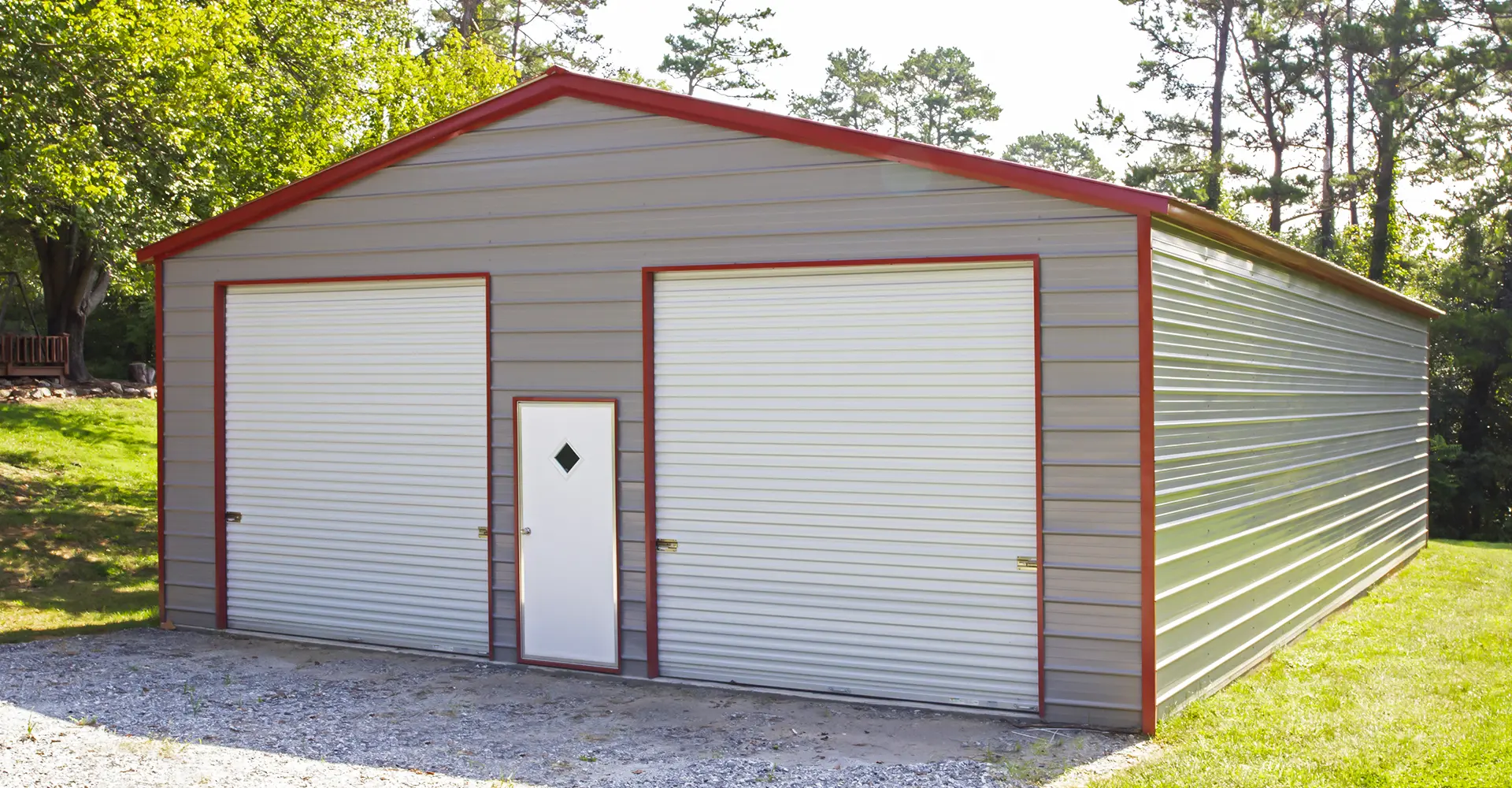
Even the structures have evolved. Some creators use sturdier backyard setups like steel garages for larger equipment. Many turn these metal garages into polished work studios with lighting, insulation, and organized tool walls. These flexible spaces make it easy to switch between hobbies, early product testing, and full-blown startup work.
The maker movement also strengthened the role of the garage. People now turn to these rooms not just for hobbies but for serious hands-on building. Early prototypes, custom parts, and experimental ideas often begin on a garage workbench.
The Future of Garage Innovation
Younger generations continue to use garages in ways that echo the past but match the tools of today. Some build small businesses in their spare time. Others work on school projects that turn into real products. With access to affordable technology, it is easier for anyone to create something meaningful from home.
At the same time, the idea of the “community garage” is spreading. Maker labs, shared tool spaces, and small collaborative workshops let people who do not have their own garage access the same kind of creative freedom. These shared environments feel like modern versions of the classic garage startup: simple, hands-on, and open to anyone with an idea.
This shift hints at a future where innovation becomes even more decentralized. You no longer need a lab or a large building. You just need a space that encourages experimentation, and garages remain a near-perfect match for that.

The Bottom Line
The garage earned its place in American innovation because it lets regular people chase unusual ideas. It is a simple room that invites experimentation, accepts mistakes, and offers privacy to build freely. It has launched tech giants, creative studios, and countless personal projects that never made headlines but still mattered deeply to the people who built them. As long as people crave a place to imagine without limits, the garage will stay a powerful symbol of independence and creativity. It proves that big ideas do not need perfect surroundings. They need space, curiosity, and the courage to start. And for generations, the garage has been the place where that courage feels right at home.