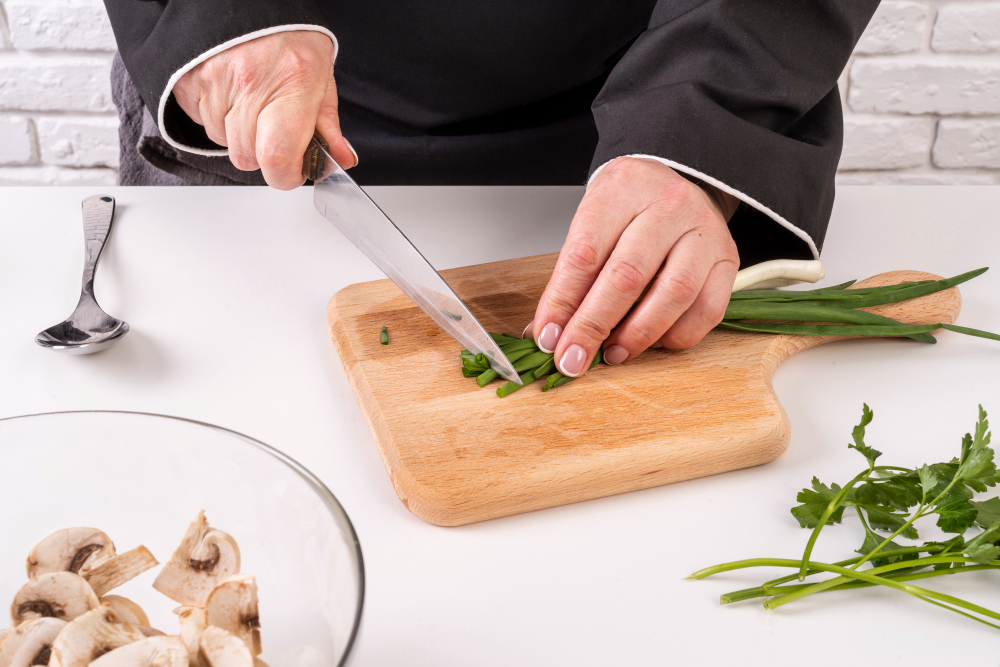
A good kitchen knife can make everyday cooking easier, faster, and more enjoyable. Whether you are chopping vegetables for lunch, preparing ingredients for dinner, or trying a new recipe over the weekend, having the right knife helps you work with greater control and confidence. Japanese kitchen knives are popular among home cooks and professional chefs because of their thoughtful designs, sharp cutting edges, and attention to craftsmanship.
However, choosing the right knife can feel confusing when there are so many styles, materials, and sizes available. The good news is that you do not need an entire collection of knives to prepare great meals. By understanding a few important features, you can find a knife that suits your cooking habits and budget.
1. Understand Your Everyday Cooking Needs
Before buying a kitchen knife, think about the ingredients you prepare most often. Your daily cooking routine is one of the best ways to determine which blade will work for you.

If you regularly chop vegetables, slice boneless meat, and prepare different ingredients, a versatile chef’s knife may be the right choice. If your meals mainly include vegetables, fish, and simple home-cooked dishes, a Santoku knife could be a practical alternative.
People who prepare large quantities of vegetables may prefer a Nakiri knife because its straight edge is designed for chopping and slicing produce.
Choosing a knife based on your actual needs helps you avoid spending money on specialised tools you may rarely use.
2. Choose the Right Japanese Knife Style
Different Japanese knife styles are designed for different tasks. Understanding their main uses makes the selection process much simpler.
Gyuto: A Versatile Everyday Knife
The Gyuto is the Japanese equivalent of a Western-style chef’s knife. It is suitable for many common kitchen tasks, including slicing vegetables, cutting boneless meat, and mincing herbs.
Its versatility makes it a useful option for home cooks who want one primary knife for everyday food preparation.
Santoku: A Practical All-Rounder
The Santoku is commonly used for chopping, slicing, and dicing vegetables, fish, and boneless meat. Its blade shape supports controlled cutting movements and suits a wide range of home-cooking styles.
For someone who prepares several different ingredients every day, a Santoku can be a dependable kitchen companion.
Nakiri: Ideal for Vegetable Preparation
The Nakiri is designed primarily for cutting vegetables. Its straight edge is useful for chopping onions, slicing cucumbers, cutting cabbage, and preparing leafy greens.
If vegetables form a large part of your daily meals, this knife may be worth considering.
Petty Knife: For Smaller Tasks
A Petty knife is a smaller kitchen knife suited to peeling fruit, trimming vegetables, and handling other detailed preparation tasks. It complements a larger knife rather than replacing it for every job.
For most beginners, starting with one versatile knife is sensible. Additional knives can be added later as your cooking needs develop.
3. Pay Attention to Blade Steel
The type of steel used in a kitchen knife affects its edge retention, hardness, corrosion resistance, and maintenance requirements.
VG-10 is a popular stainless steel found in premium Japanese-style kitchen knives. When properly manufactured and heat-treated, it can provide a sharp edge with a useful balance of hardness and corrosion resistance.
Damascus-style blades are also popular because of their distinctive layered patterns. In many modern knives, layers of steel surround a harder central core that forms the cutting edge.
However, appearance alone does not determine performance. The quality of heat treatment, blade geometry, sharpening, and overall construction also matters.
When comparing knives, look for clear information about the steel, construction, and recommended care. A well-made knife that suits your routine is often a better investment than one chosen only for its appearance.
4. Find a Comfortable Handle and Suitable Weight
A knife should feel comfortable and secure in your hand. Handle design, material, weight, and balance all influence how easily you can control the blade.
Some cooks prefer lightweight knives that move easily through vegetables, while others feel more comfortable using a slightly heavier design. Neither option is automatically better; personal preference plays an important role.
If possible, hold the knife before purchasing it. Check whether the handle feels secure, the grip is comfortable, and the blade feels manageable during normal cutting movements.
Also consider the knife’s length. A longer blade may be useful for preparing larger ingredients, while a shorter one can feel easier to control in a compact kitchen.
Comfort is especially important if you prepare meals frequently because repetitive cutting movements can become tiring when a knife does not suit your hand.
5. Consider Your Budget and Long-Term Value
Kitchen knives are available at different price points, so it helps to decide on a budget before shopping.
A higher price does not automatically mean a knife is the right choice for you. Consider the quality of its construction, the materials used, the comfort of the handle, and the maintenance it requires.
If you are building your kitchen collection, investing in one dependable knife can be more practical than purchasing several inexpensive knives you may not need.
For those exploring different blade designs and materials, Japanese kitchen knives offer a useful starting point for comparing options suited to different cooking preferences.
The best choice is one that meets your everyday needs, feels comfortable to use, and offers reliable performance with proper care.
6. Learn How to Maintain Your Kitchen Knife
Even a well-made knife needs regular maintenance. Simple habits can help preserve its cutting performance and condition.
- Clean and dry it after use. Wash your knife with mild dish soap and water, then dry it thoroughly. Avoid leaving it in a wet sink.
- Use a suitable cutting board. Wooden and appropriate plastic boards are generally better for knife edges than glass, stone, or ceramic surfaces.
- Store it safely. A knife block, magnetic holder, or protective blade guard can help prevent edge damage and accidental cuts.
- Avoid the dishwasher. High temperatures, detergents, and contact with other utensils can damage the blade or handle.
- Sharpen it when necessary. A dull knife can require more pressure and become harder to control. Follow the manufacturer’s sharpening instructions, particularly when using a harder Japanese-style blade.
Good maintenance protects your investment and makes food preparation more comfortable.
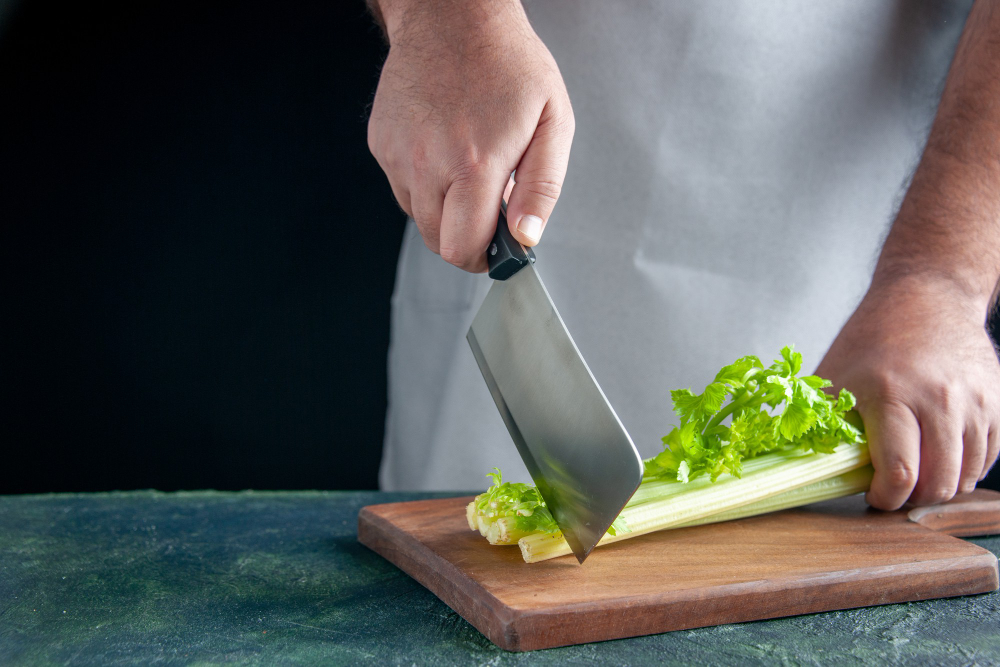
7. Practise Safe and Consistent Cutting Techniques
The right knife works best when paired with good technique. Keep your cutting board stable, use a secure grip, and move the blade in a controlled manner.
When chopping vegetables, curl the fingertips of your guiding hand inward to keep them away from the cutting edge. Avoid rushing, especially when working with slippery ingredients.
A sharp knife still requires careful handling. Using the correct cutting technique helps you work more confidently while reducing unnecessary pressure.
With regular practice, even simple tasks such as slicing onions or chopping carrots can become smoother and more consistent.
Final Thoughts
Choosing the right Japanese kitchen knife for everyday cooking does not have to be complicated. Start by considering your cooking habits, then compare blade styles, steel quality, handle comfort, and maintenance requirements.
A Gyuto is a versatile choice for many kitchen tasks, while a Santoku suits a range of everyday ingredients and a Nakiri is particularly useful for vegetables.
Remember that the best knife is not necessarily the most expensive one. It is the knife that feels comfortable, meets your needs, and performs reliably when properly maintained.

With the right tool and a little practice, everyday food preparation can become a more enjoyable part of your cooking routine.